


Donald Trump has shown that US interests are his priority, writes GlobalData TS Lombard
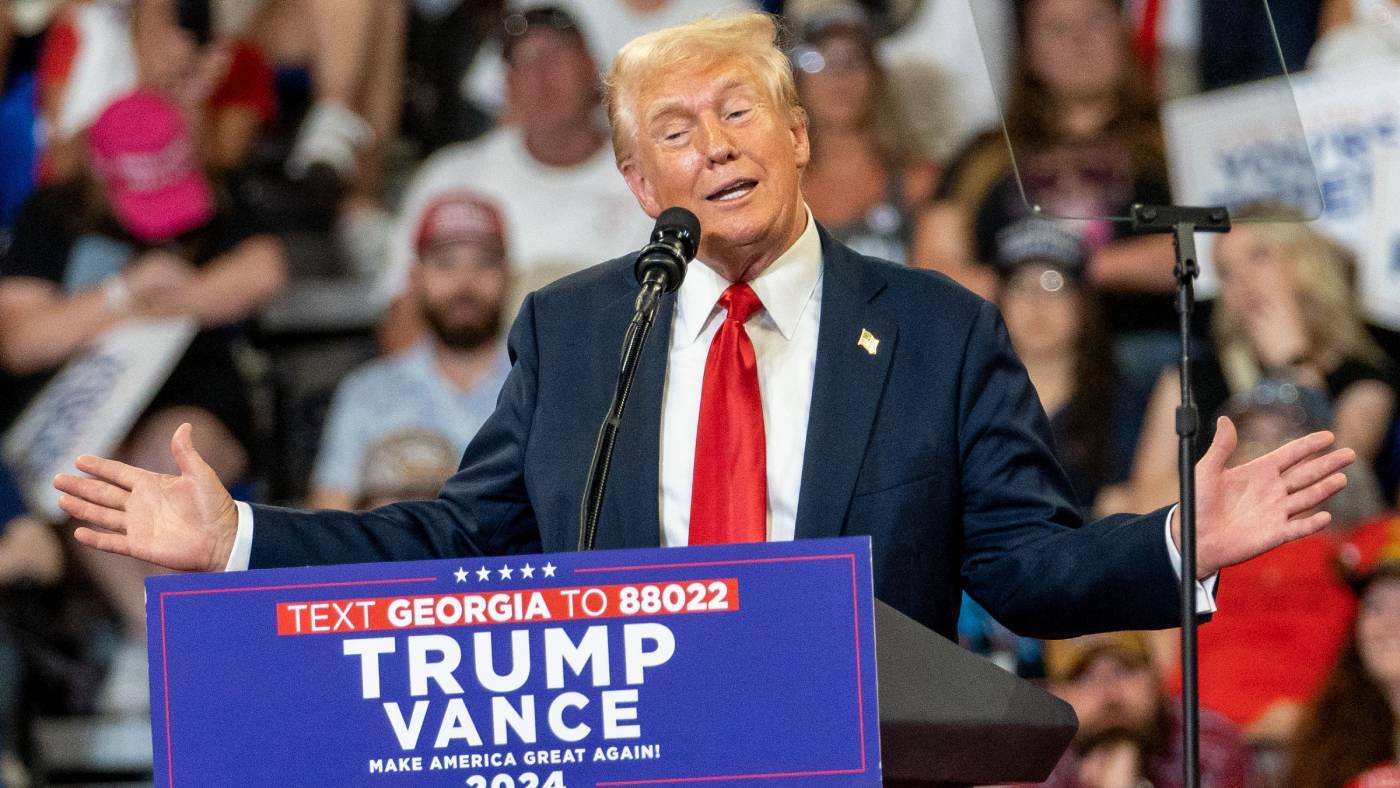
Donald Trump’s “America First” stance is a significant shift in US foreign policy, writes GlobalData TS Lombard in a recently published report.
The US president’s approach is characterised by a departure from traditional containment strategies towards a more transactional, deal-making approach with both allies and adversaries.

The goal is to prioritise American interests, particularly the security of US borders, which extends beyond the formal land borders to a broader geopolitical sphere. Trump’s “America First” policy has been applied in various geopolitical contexts.
In the case of Russia, the Trump administration made upfront concessions on Ukrainian neutrality, ignoring the views of America’s oldest and closest allies. This move was seen as an application of the “America First” template, indicating a shift towards recognising mutual spheres of influence.
In the Middle East, Trump’s approach has been characterised by peacemaking efforts, despite the inherent challenges. The “America First” policy also faces potential setbacks due to Trump’s own unpredictable nature. There is a risk that he may lose interest in his initiatives if they face adversity, leading to potential instability. In terms of China, Trump’s approach has been less clear. While he has expressed admiration for Xi Jinping and indicated a willingness to solve problems together, the specifics of his proposed new deal with China remain uncertain.
Trump’s deal-making inclination applies to China as well. The “America First” policy represents a radical break from the practices of US foreign policy since the collapse of the Soviet Union. It welcomes the passing of the unipolar moment, viewing it as a period in which both allies and adversaries took advantage of the US.
The new approach aims for peaceful coexistence based on mutually respected vital interests. In conclusion, Trump’s “America First” stance is a significant shift in US foreign policy, characterised by a focus on American interests and a move towards transactional deal-making. This approach has been applied in various geopolitical contexts, with varying degrees of success and clarity.

 READ MEED’s YEARBOOK 2025
MEED’s 16th highly prized flagship Yearbook publication is available to read, offering subscribers analysis on the outlook for the Mena region’s major markets.
Published on 31 December 2024 and distributed to senior decision-makers in the region and around the world, the MEED Yearbook 2025 includes:
> PROJECTS: Another bumper year for Mena projects > GIGAPROJECTS INDEX: Gigaproject spending finds a level > INFRASTRUCTURE: Dubai focuses on infrastructure > US POLITICS: Donald Trump’s win presages shake-up of global politics > REGIONAL ALLIANCES: Middle East’s evolving alliances continue to shift > DOWNSTREAM: Regional downstream sector prepares for consolidation > CONSTRUCTION: Bigger is better for construction > TRANSPORT: Transport projects driven by key trends > PROJECTS: Gulf projects index continues ascension > CONTRACTS: Mena projects market set to break records in 2024 |
You might also like...

Emaar Properties approves $2.4bn dividend distribution
26 March 2026


Oman sets out 39% renewables target by 2031
26 March 2026

Gulf index rises amid tensions
25 March 2026


A MEED Subscription...
Subscribe or upgrade your current MEED.com package to support your strategic planning with the MENA region’s best source of business information. Proceed to our online shop below to find out more about the features in each package.
Take advantage of our introductory offers below for new subscribers and purchase your access today! If you are an existing client, please reach out to your account manager.