


RasGas Company Limited
Project value: $10.3bn
Expected completion: 2023
Tel: (+974) 4 449 1433
Web: rasgas.com
The Barzan gas project is a key scheme in Qatars plan to increase the use of natural gas from its giant North Field to fuel the countrys power plants.
The project was launched in early 2011, when state-owned Qatar Petroleum (QP) signed a 93:7 joint-venture agreement with the US ExxonMobil.
It is being developed by a joint venture of Qatargas, a subsidiary of QP, and ExxonMobil. The two firms have appointed RasGas, a liquefied natural gas (LNG) producer and a sister company of Qatargas, as project manager. RasGas will also be responsible for operating the project upon completion.
The Barzan development is scheduled to be constructed in three phases, with a total capacity of 5.9 billion cubic feet a day (cf/d) of natural gas. This output will complement current and future infrastructure developments, such as power, petrochemicals and desalination plants, Hamad International airport and New Doha Seaport, as Qatar prepares to host footballs Fifa World Cup in 2022.
The gas project is also one of the major components in Qatars National Vision 2030, which lays out a series of development goals to be reached by that year.
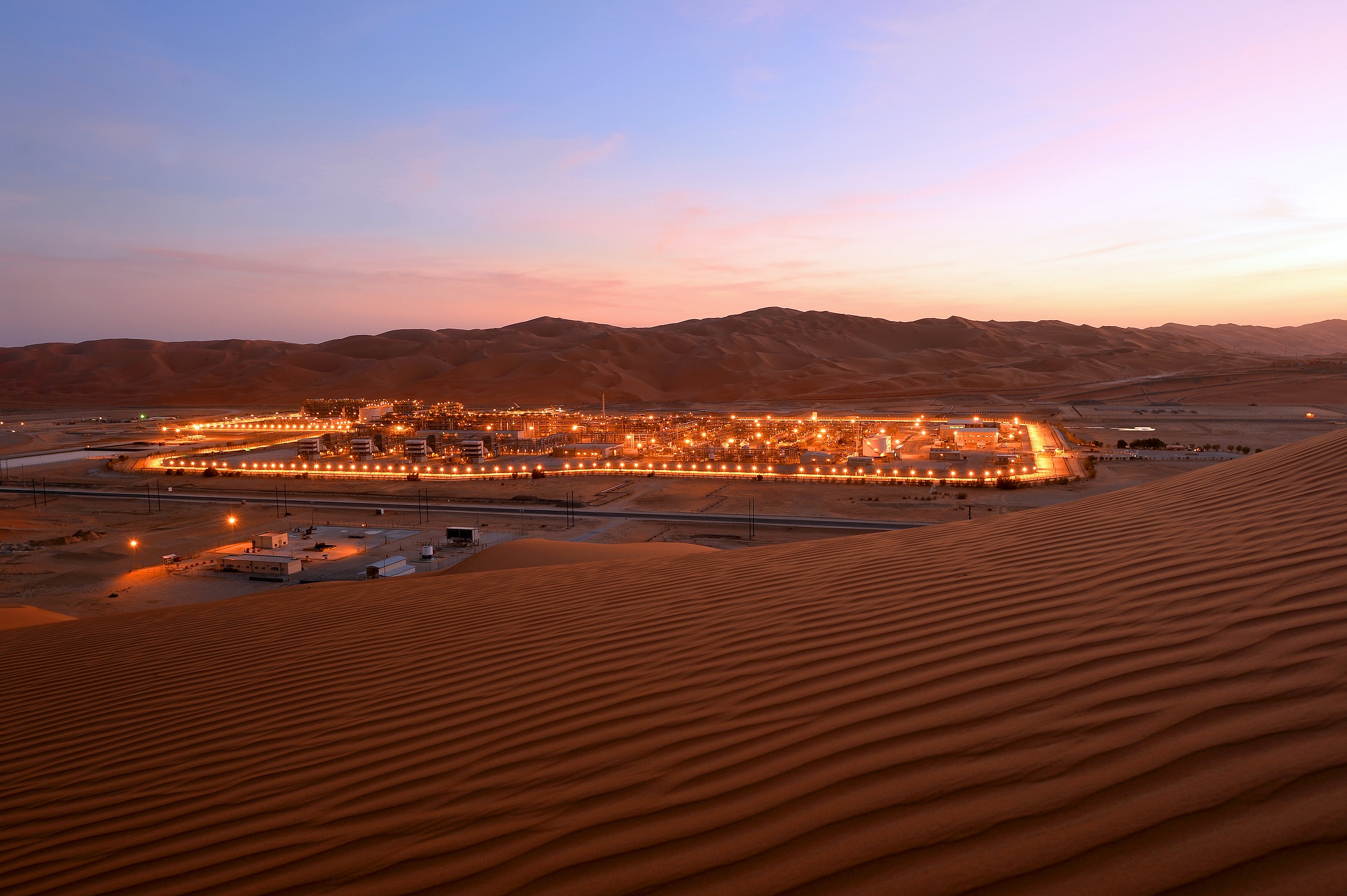
The Barzan development is located at a greenfield site in Ras Laffan Industrial City, about 80 kilometres northeast of the capital city Doha.
The first phase of the three-stage scheme involves the construction of two gas trains by Japans JGC Corporation, as well as offshore platforms and subsea pipelines by South Korean contractor Hyundai Heavy Industries.
The development has grown four-fold from its initial target of 1.5 billion cf/d of gas, with plans now in place for six gas trains to be developed by 2023.
The first phase of the Barzan scheme will have a capacity of 1.4 billion cf/d.
The first gas flows were expected in mid-2015, with the start-up of the second train due in the third quarter. Phase one experienced delays during 2015 and is now expected to come online later this year.
The second phase is expected to deliver 2 billion cf/d and the third 2.5 billion cf/d. However, there is no indication of when these will proceed.
Onshore facilities understood to be part of phases two and three of the project include a condensate stabilisation unit, a dehydration unit, a sweetening unit and a fractionation unit, as well as storage and unloading facilities.
Offshore facilities will include wellhead platforms and riser tower platforms, as well as sub-sea pipelines and cables.
You might also like...

RELATED
A MEED Subscription...
Subscribe or upgrade your current MEED.com package to support your strategic planning with the MENA region’s best source of business information. Proceed to our online shop below to find out more about the features in each package.
Take advantage of our introductory offers below for new subscribers and purchase your access today! If you are an existing client, please reach out to your account manager.