

Consortium formed to invest in $13bn Common Seawater Supply Project
Iraq has signed a deal with state-owned China Petroleum Pipeline (CPP) and other foreign companies to secure investment in its $13bn Common Seawater Supply Project (CSSP).
CPP is a subsidiary of China National Petroleum Corporation (CNPC) and specialises in engineering and construction.
Under the deal CPP will form a consortium with other investors led by Jordan-based private firm Mass Global.
The two companies will submit their investment offer to the Oil Ministry in March, Iraqi oil ministry spokesperson Asim Jihad told UK-based news agency Reuters. He did not reveal any more details of the deal.
Over recent months Baghdad has been offering companies deals that link investment in big infrastructure projects to opportunities to develop oil and gas fields, according to an industry source who spoke to MEED.
It is not certain whether CPP and Mass Global are going to benefit from opportunities to develop the countrys oil and gas fields as a result of the investment deal.
Project progress
Stakeholders are hoping Baghdads success in securing investment for the CSSP will jumpstart the projects progress.
The deal is also increasing optimism that other schemes in the region may see progress in coming months.
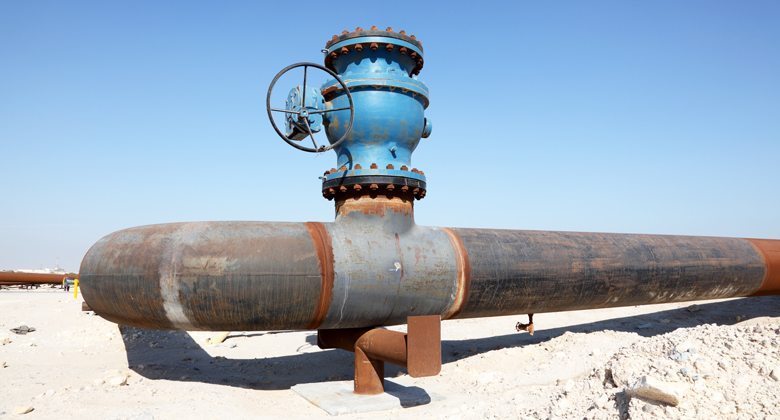
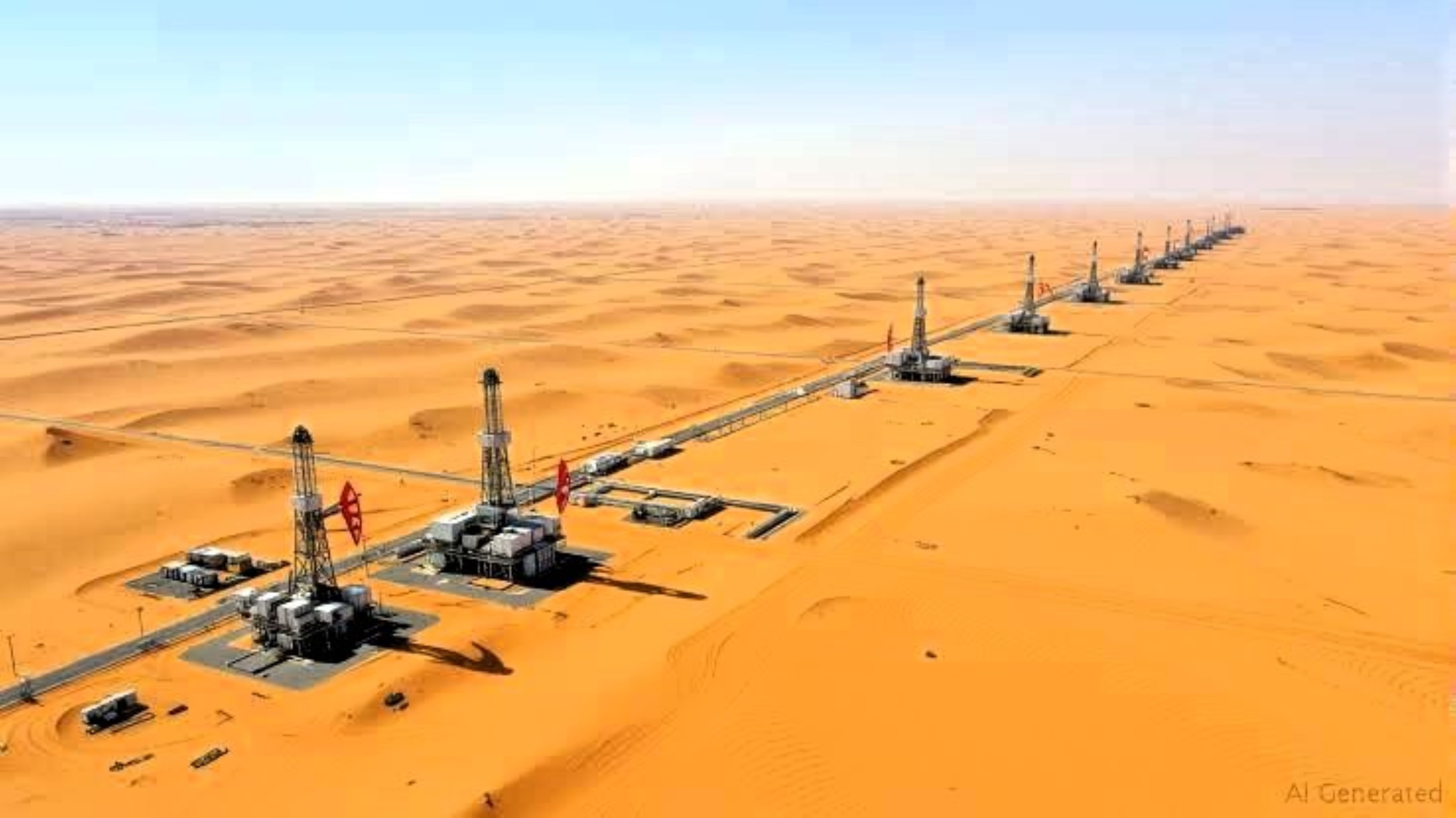
The CSSP aims to replace existing use of fresh river water at Iraqs southern oil fields with seawater pumped through a network of pipelines.
Austria-based engineering consultancy ILF is handling the front-end engineering and design (feed) study for the pipelines, with US-based Parsons carrying out the feed for the pumping facilities.
The design phase of the CSSP is currently in the final stages of completion, but the date of the projects main contract tender is uncertain due to a budget crisis in Baghdad.
The main drivers behind the crisis are Iraqs expensive war with the jihadist group Islamic State in Iraq and Syria (Isis) and the decline in global crude prices, which make up more than 90 per cent of public revenues.
Budget crisis
Brent crude dropped from $112 a barrel in June 2014 to less than $30 earlier this month, slashing Iraqi government revenues.
The budget crisis has sent a shockwave through Iraqs key oil provinces of Kurdistan and Basra, causing thousands of projects to stall.
In December 2015, China and Iraq issued a joint statement upgrading their relationship to a strategic partnership.
In a meeting in Beijing with Iraqs Prime Minister Haider al-Abadi, Chinas President Xi Jinping pledged Chinese assistance in energy, electricity, communications and infrastructure projects in Iraq.
The two leaders also signed a memorandum of understanding (MoU) on oil and gas, promising a long-term and comprehensive strategic partnership on energy cooperation.
Under current plans the CSSP will pump water to the majority of southern Iraqs large oil field operations, including Rumaila, Halfaya, Zubair, West Qurna-1, West Qurna-2, Missan, Tuba and Majnoon.
CSSP benefits
It will provide the operators with water to inject into the reservoirs to increase pressure and boost recovery, with targeted recovery rates of 50 per cent. It will also free up fresh water for use by the local population.
The facility will have the capacity to deliver 12.5 million barrels a day (b/d) of seawater through 426 kilometres of pipeline. It will include eight interconnecting stations and 10 delivery stations.
The CSSP has suffered several setbacks since it was first conceived. Originally led by US oil major ExxonMobil, the scheme is now being managed by US engineering consultancy CH2M, which was appointed in a $170m deal in late 2012. The official timeline for completion in 2017 now looks to be out of the question. With the project now at the feed stage, it is likely to be completed by 2019 at the earliest.
Construction work has been planned over two phases. Phase one will provide 6.7 million b/d of water for the five fields of Zubair, Rumaila, West Qurna-1, West Qurna-2 and Majnoon.
Further phases will increase supplies to these fields, as well as to the Gharraf, Halfaya and Missan oil fields. Depending on Iraqs targeted crude production levels, the total demand for water could reach 12.5 million b/d.
You might also like...
UAE bank asset quality hinges on property market
03 April 2026
Safety and security matters
03 April 2026
Saudi forecast remains one of growth
03 April 2026
A MEED Subscription...
Subscribe or upgrade your current MEED.com package to support your strategic planning with the MENA region’s best source of business information. Proceed to our online shop below to find out more about the features in each package.
Take advantage of our introductory offers below for new subscribers and purchase your access today! If you are an existing client, please reach out to your account manager.