


Swiss bank UBS says real house prices have fallen back to mid-2025 levels, with real rents down 4% over the year
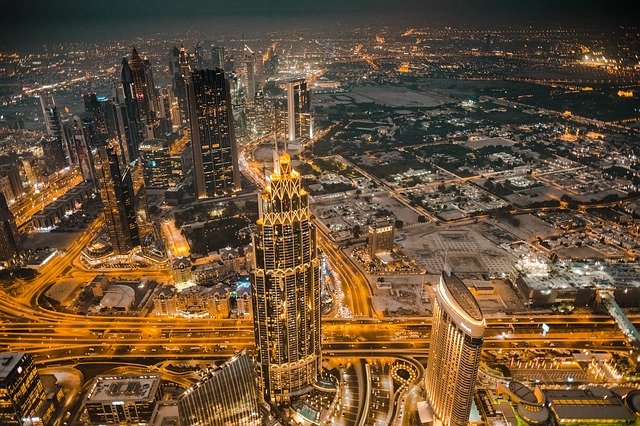
Dubai's residential property market remains in elevated bubble-risk territory after a sharp slowdown in price growth, according to UBS.
The emirate's housing boom came to an abrupt halt at the onset of the regional conflict, the Swiss bank said in its Global Real Estate Bubble Index 2026 report. Inflation-adjusted house prices have fallen back to mid-2025 levels, after real growth of more than 10% in 2025.
Dubai scored 1.16 on the index, up on last year, placing it fourth among the 23 cities covered. Only Zurich and Tokyo, at 1.69 and 1.54 respectively, are classed as high risk. Miami, Seoul, Geneva and Lisbon join Dubai in the elevated category, which covers scores between 1.0 and 1.5.

Real prices in Dubai rose by 0.4% in the year to Q2 2026, while real rents fell by 4%. UBS said bubble risk remained elevated despite some easing since March.
Ownership costs
UBS said existing tenants were likely to take advantage of the pause in price growth, and in some cases of price concessions, to buy homes. Despite elevated mortgage rates, Dubai remains one of the few markets where ownership is relatively attractive given the high cost of renting, according to the bank.
A skilled service worker in Dubai needs about five years of average income to buy a 60-square-metre apartment near the city centre, compared with about 15 years in Hong Kong and 11 years in London. It takes 16 years of rent to pay for an equivalent apartment, one of the lowest ratios in the study. UBS attributed the low price-to-rent ratios in Dubai, Sao Paulo and the US cities surveyed to less regulated rental markets and higher interest rates, as well as elevated risk premiums in Dubai and Sao Paulo.
The bank said uncertainty over whether the inflow of high-income earners would recover was weighing on the premium segment. It added that Dubai's structural advantages, including its strategic location and its appeal as an international business hub, remained intact, and that an improvement in the geopolitical environment was likely to support a rapid recovery in market sentiment and price expectations.
Supply is a further source of uncertainty. Some developments have stalled and others may be delivered later than planned, although UBS said the market remained exposed to heightened volatility because of persistent concerns about structural oversupply.
Global slowdown
Across the cities analysed, real residential prices rose by an average of 0.5% in the year, down from 1.4% in mid-2025. Seoul recorded the strongest real growth, at 11%, while Toronto and Vancouver fell by about 10%.
The report also points to Gulf capital supporting other markets. UBS said interest from Middle Eastern buyers could further lift prices in Geneva, and that investors from the Middle East, the US and Asia had supported London's prime segment.
You might also like...

Stadium spending set to jump 39% in 2027
25 September 2026
Construction starts for Jumeirah Asora Bay in Dubai
25 September 2026

UAE vehicle manufacturing push moves into production
25 September 2026
Iraq advances waste-to-energy projects
25 September 2026


A MEED Subscription...
Subscribe or upgrade your current MEED.com package to support your strategic planning with the MENA region’s best source of business information. Proceed to our online shop below to find out more about the features in each package.
Take advantage of our introductory offers below for new subscribers and purchase your access today! If you are an existing client, please reach out to your account manager.