


The political uncertainty in post-revolutionary Egypt is having a detrimental impact on the economy, from shrinking foreign reserves to rising unemployment and low investor confidence
The February 2011 revolution that unseated long-serving President Hosni Mubarak brought uncertainty to Egypt.
This has scared off investors, while the interim military government has been forced to offer expensive concessions to the poor in the hope of avoiding further unrest. While necessary, this has proved costly and has set the country’s economy on a downward spiral.
The government was forced to introduce concessions for the poor in the form of wage increases and subsidies
The Muslim Brotherhood is establishing itself as the dominant political force in the new Egypt. The broadly business-friendly Democratic Alliance, which is led by the Brotherhood’s Freedom and Justice Party (FJP), secured 47 per cent of the seats in the People’s Assembly (lower house of parliament). The Islamist bloc, led by the Salafist Al-Nour Party, secured a further 25 per cent of the seats.
The Islamist parties consolidated their position in elections for the upper house, or the Shura Council. The FJP won 58 per cent of the seats, while the Salafis won 25 per cent. However, a ruling by Egypt’s Supreme Constitutional Court to dissolve the recently elected parliament and a statement by the Supreme Council of the Armed Forces, in which it moved to seize legislative powers, threaten to wipe out the Islamists’ gains all together.
Egypt’s fragile economy
After many months of unrest, Egypt’s economy continues to be fragile. As North Africa’s largest market, much is at stake for the country. Real gross domestic product grew by only 1.8 per cent in 2011 and is expected to grow by just 0.4 per cent in 2012. Two of the main pillars of Cairo’s economy – tourism and inward investment – suffered immediate setbacks.
Tourism revenues fell 80 per cent after the protests kicked off. Visitor arrivals were up by more than 73 per cent in March, compared with the previous year, but 2011 saw few visitors.
In 2011, Egypt registered $482.7m in foreign direct investment outflows, compared with an overall inflow of $6.4bn in 2010, when the country was under Mubarak’s control.
Foreign reserves have been a concern since the revolution, when investors pulled their cash out of the country, fearing escalating instability. Egypt’s foreign exchange reserves dropped from about $35bn in January 2011 (equivalent to eight months of imports) to about $12bn in March 2011 (equivalent to about three months of imports) and have since levelled off.
The reserves have been propped up by one-off inflows from land sales to Egyptian expatriates, the transfer of a $2bn stake in the local Mobinil Telecommunications to France Telecom, and financial support from neighbouring countries. Cairo has received offers of support from Qatar, the UAE and other states, but actual funding has been slow to arrive. However, Egypt did receive $1bn in aid from Saudi Arabia in April.
Egypt needs significant intervention to bring its economy back from the brink. It has applied for $3.2bn of funding from the Washington-based IMF and a further $1bn from the World Bank. In addition, US President Barack Obama proposed a $1.3bn package for Egypt in his February budget.
Faced with popular pressure, the caretaker government was forced to introduce sweeping concessions to the country’s poor in the form of sharp wage increases and subsidies. In the 2010/11 budget, it allocated £E95.3bn ($15.8bn) for wages. In the 2011/12 budget, which was signed in July after Mubarak had left office, the government allocated £E117.5bn for wages, although this is likely to be much more in reality. The government allocated £E126.6bn for subsidies, grants and social benefits in 2010/11, but in the new budget this figure stood at £E157.8bn.
Budget deficit
Overspending coupled with a troubled economy means Egypt will run a significant budget deficit. Final figures are not yet available but even in its budget for 2011/12, the government anticipated a £E244.4bn shortfall.
The government has had to borrow at vastly inflated rates to finance its spending plans. Treasury bonds were auctioned at an average interest rate of 16-17 per cent in May. The government has taken on significant debt from local banks forced to raise their rates, fearing over-exposure. Pricing is set to continue to rise as a result of sovereign downgrades by leading ratings agencies. In its latest budget, the government predicted it would spend £E106.3bn on interest payments in the financial year to 2012. It is likely to spend a lot more.
Egypt is in a difficult position. Fearing social unrest, the interim government is under pressure to meet the demands of ordinary citizens. At the same time, it must protect the economic position of the country as a whole and reassure investors. Trying to achieve both simultaneously will be the greatest challenge facing Egypt’s government, whatever form it takes.
You might also like...
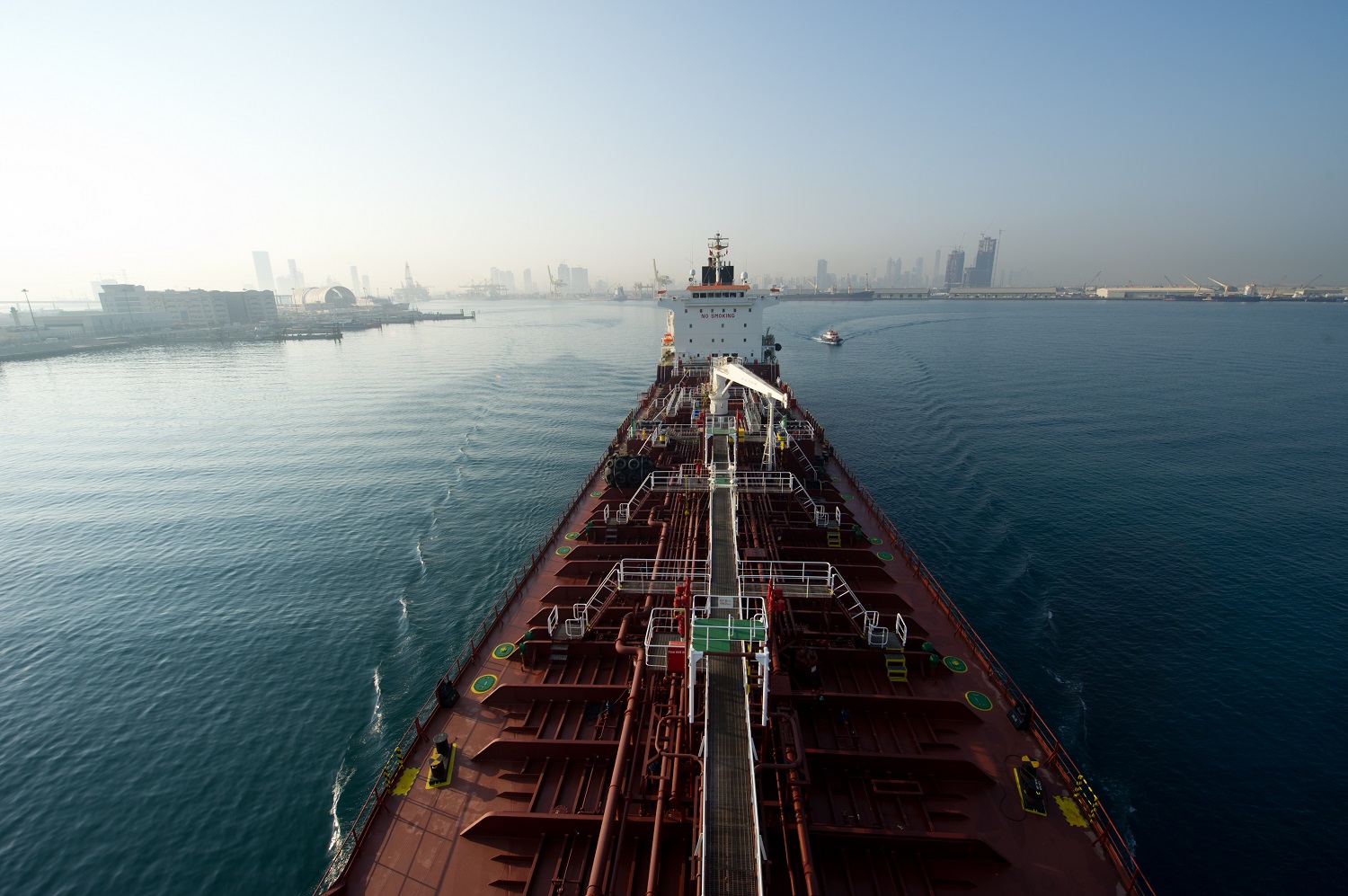
Iranian missiles hit Qatari and Kuwaiti fuel tankers
01 April 2026
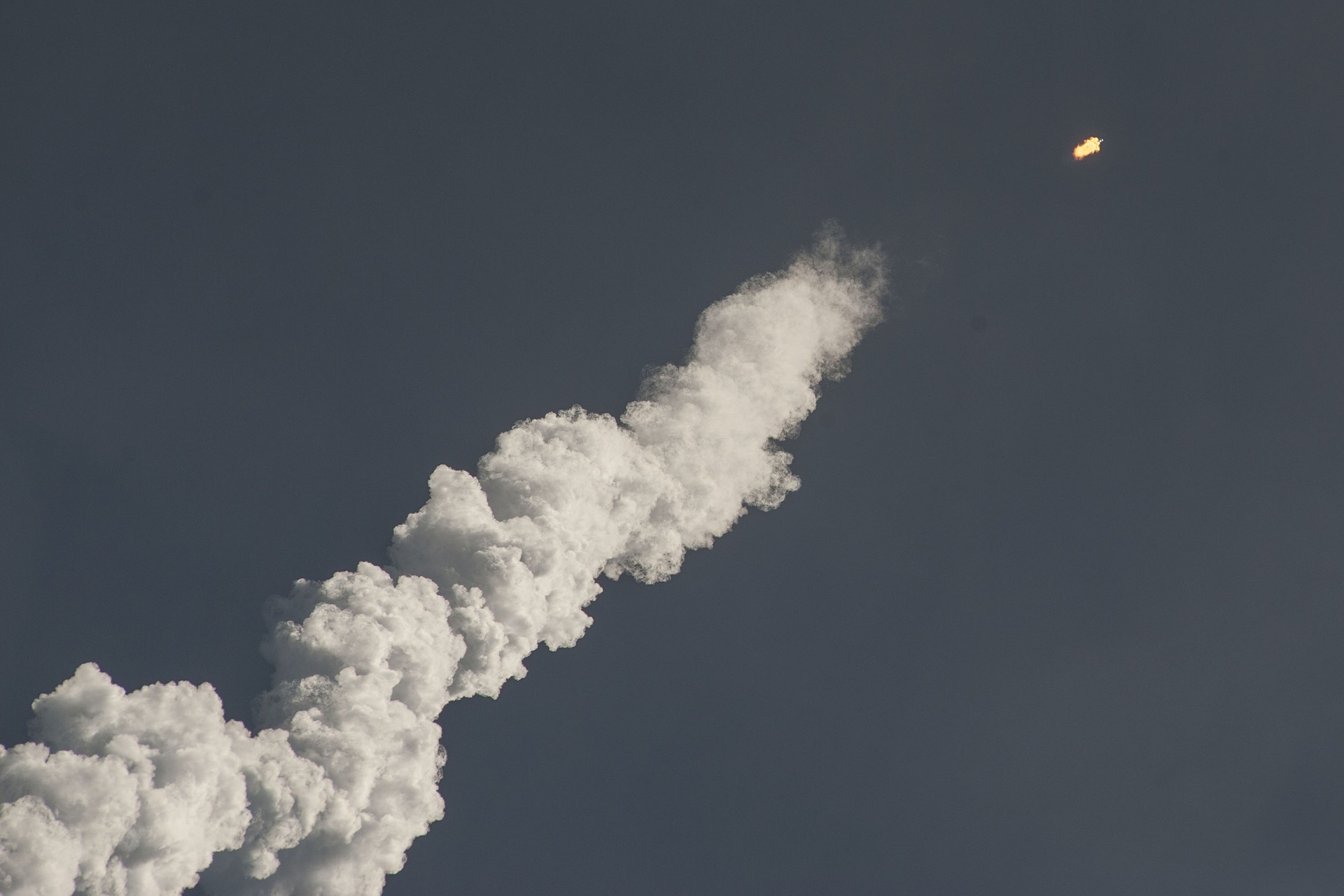
One killed and one injured in drone attacks on the UAE
01 April 2026

Drone strikes Kuwait International airport
01 April 2026
A MEED Subscription...
Subscribe or upgrade your current MEED.com package to support your strategic planning with the MENA region’s best source of business information. Proceed to our online shop below to find out more about the features in each package.
Take advantage of our introductory offers below for new subscribers and purchase your access today! If you are an existing client, please reach out to your account manager.