

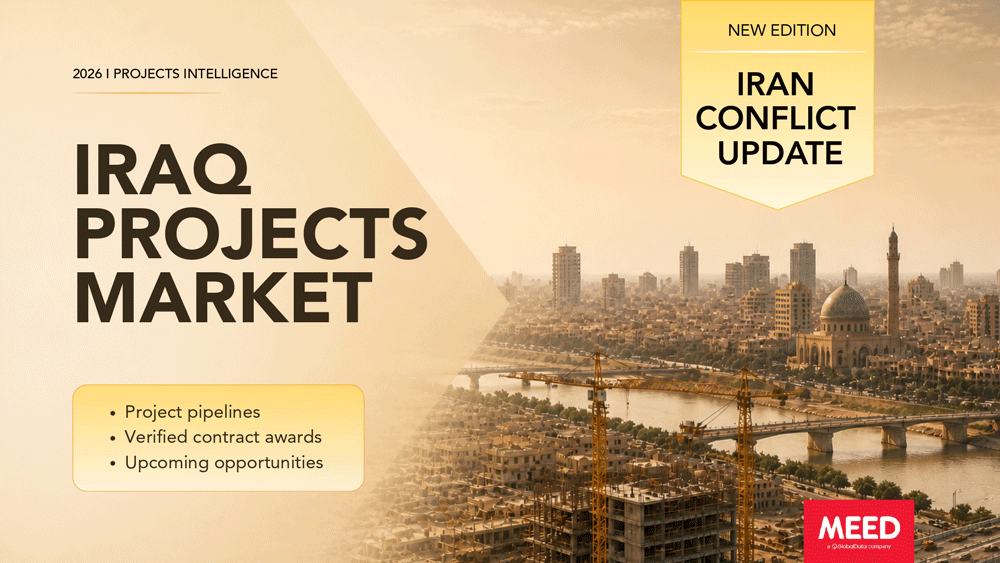
Iraq’s $420bn-plus projects pipeline promises major infrastructure and energy opportunities, yet delivery hurdles remain amid oil dependence, bureaucratic delays and regional tensions


Iraq’s projects market is at an inflection point. The country has built a sizeable and increasingly diverse projects pipeline, backed by ambitious national plans and an improving reform narrative. But according to MEED’s newly updated Iraq Projects Market report, the near-term outlook is now being tested by renewed regional volatility and persistent structural constraints at home.
Iraq is the Middle East and North Africa’s fifth-largest economy by nominal GDP, yet it remains heavily exposed to the hydrocarbons cycle. Oil and gas generate about 90% of government revenues and more than 40% of GDP, a dependency that shapes annual capital spending and the bankability of public-private partnership (PPP) deals. Earlier this year, the IMF forecast GDP growth of 3%-4%. In light of the latest regional conflict dynamics involving the US and Israel with Iran, that growth outlook is expected to soften as investor risk perceptions rise and supply chains face renewed stress.
Even so, Iraq’s projects market is not starting from a blank slate. By the end of March 2026, almost $120bn of contracts were in execution, with a further $300.4bn in the broader pipeline. The scale of that opportunity is underpinned by enduring reconstruction requirements, urgent energy-sector needs and a policy push to translate oil wealth into long-lived productive assets.
Reconstruction needs
Nearly a decade after the official end of the Islamic State conflict, Iraq’s reconstruction gap remains substantial. Estimates put the shortfall at about $88bn, reflecting the long tail of damage to housing, utilities, public buildings and transport links. Southern and central regions dominate the live pipeline, largely because they sit close to Iraq’s oil heartlands. Basra, in particular, is pivotal, anchoring major upstream activity and vital export infrastructure.
At the policy level, Iraq Vision 2030 signals a long-term ambition to diversify into tourism, agriculture, industry and digital transformation. The government’s immediate delivery vehicle is the National Development Plan (NDP) 2024-28, which commits more than $17bn a year in capital expenditure and prioritises energy, transport, housing and water infrastructure. This shift is reinforced by Iraq’s Green Growth Framework (2026), indicating that future procurement may place greater weight on efficiency, emissions reduction and climate resilience.
Macro risk
Despite policy ambition, the most immediate determinant of Iraq’s fiscal room is the oil price. A $10-a-barrel drop can reduce government revenue by an estimated $7bn-$9bn annually. Such sensitivity matters because infrastructure spending is still largely funded by the public purse. Oil price swings affect project awards, payment cycles and the government’s willingness to assume up-front capex obligations.
Iraq’s execution environment continues to be defined by bureaucratic delays, unclear land titles and opaque procurement processes. These factors can add 12-24 months to average delivery timelines. Nevertheless, there are signs of adaptation. PPP legislation is advancing, and developer-led models are gaining traction in large housing programmes. Furthermore, there is a growing reliance on international project management consultancy (PMC) firms—such as Hill International, Worley, and AtkinsRealis—to bridge capacity gaps and improve governance, cost control and scheduling.
Hydrocarbon driver
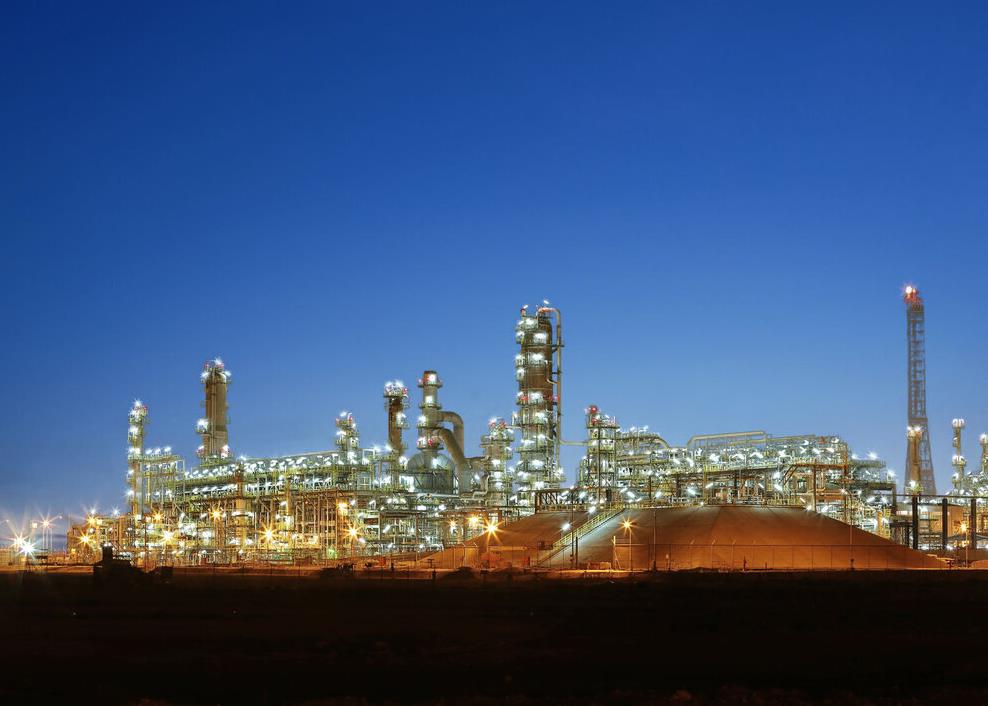
Oil and gas upstream remains the single largest driver of capital expenditure. Major developments, including the Gas Growth Integrated Project (GGIP) and Mansouriya, sit alongside a push to reduce gas flaring and expand downstream processing. The objective is to sustain export revenues while improving domestic fuel availability.
The power sector is even more urgent. Iraq faces an estimated 8-10GW generation shortfall, which keeps electricity supply at the centre of political risk. This gap is driving rapid procurement of generation capacity and grid upgrade contracts. Beyond traditional infrastructure, Iraq is also moving on digital adoption. Smart city pilots and fibre rollouts are attracting regional technology investors, while AI-enabled data centre projects are beginning to emerge.
Investment targets
Foreign direct investment (FDI) remains below $3bn a year, a low figure relative to market size. The most active investors outside the oil sector include the UAE, Saudi Arabia and Kuwait. To convert interest into deals, the National Investment Commission (NIC) is pursuing streamlined licensing and investor-protection reforms. A “one-stop shop” approach has reportedly reduced registration timelines for foreign investors from months to weeks in key sectors.
Investor protection mechanisms, such as access to international arbitration, are being strengthened, though enforcement remains a concern. Iraq’s three free zones—Basra, Karbala and Nineveh—offer additional incentives including tax holidays and customs exemptions, provided they can be paired with reliable utilities and bankable arrangements.
Conflict premium
The latest escalation involving the US and Israel with Iran has increased Iraq’s security risk premium. This is inflating materials costs and disrupting supply chains near eastern border zones. Even where projects are far from conflict areas, contractors are pricing in higher contingency for logistics and insurance. Iraq must also balance deep economic ties with Iran—particularly in energy—with Western investor expectations and sanctions-related compliance.
With more than 60% of its population under 25, Iraq has a potential demographic dividend, but it also faces immediate employment pressure and a shortage of skilled technical labour. Iraq’s projects market outlook for 2026 is best described as cautiously constructive. The pipeline is deep and the need is undeniable, but delivery will hinge on whether Iraq can translate plans into predictable execution. If progress on procurement and contract enforcement continues, Iraq can sustain a broad-based market that extends beyond hydrocarbons.
You might also like...
Opec Fund approves $645m in financing across 14 countries
18 September 2026
ADES completes acquisition of Saipem’s Saudi drilling business
18 September 2026
Circularity shapes sustainable cities of the future
18 September 2026
Bilfinger wins feed contract for Oman marine fuels terminal
18 September 2026
A MEED Subscription...
Subscribe or upgrade your current MEED.com package to support your strategic planning with the MENA region’s best source of business information. Proceed to our online shop below to find out more about the features in each package.
Take advantage of our introductory offers below for new subscribers and purchase your access today! If you are an existing client, please reach out to your account manager.