

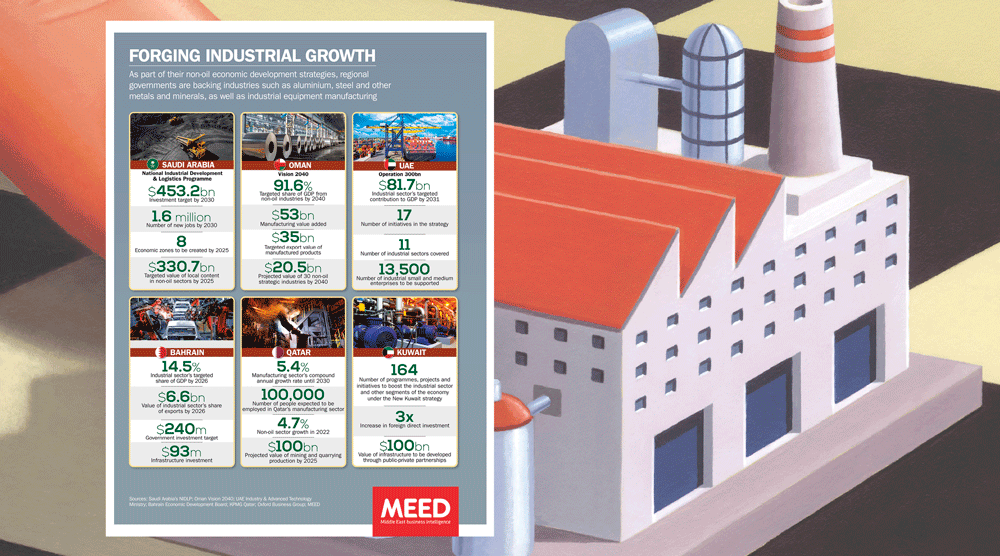
As part of their non-oil economic development strategies, regional governments are backing industries such as aluminium, steel and other metals and minerals, as well as industrial equipment manufacturing

GCC countries pursue plans to expand their non-oil economies and drive localisation

Gulf governments have not deviated from their diversification mandates despite achieving high economic growth and posting budget surpluses as a result of higher oil prices.
Unlike in the past, in the current high oil price cycle, regional governments are striving to increase investment in boosting their hydrocarbon production potential while at the same time working to reach their economic diversification targets.
“Many of the GCC economies are at an inflection point today, realising that relying on oil revenue and public spending for growth is not sustainable,” says Houssem Jemili, partner at the Middle East division of management consulting firm Bain & Company.
“Many national strategies, whether in the industrial or services sector, represent a new approach to economic development that is productivity- and investment-led in a way that ensures stronger economic sustainability and prosperity for future generations,” he says. Read more
This infographic has been unlocked to allow non-subscribers to sample MEED’s content. MEED provides exclusive news, data and analysis on the Middle East every day. For access to MEED’s business intelligence, subscribe here
 This package on the GCC's non-oil industrial policy includes:
> MEED BUSINESS REVIEW | Gulf accelerates non-oil diversification plans
> COVER STORY | Gulf states diversify with purpose
> NATURAL GAS | Gas becomes a key economic enabler
> SPECIAL ECONOMIC ZONES | Maximising the benefits of GCC economic zones
 |
You might also like...
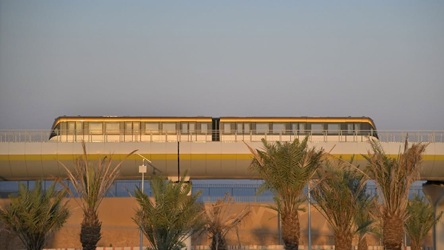
Alstom wins $515m Riyadh metro trains deal
05 October 2026

Rabigh 2 IPP expansion secures $2.58bn financing
05 October 2026
Dubai announces $490m e-commerce hub expansion plan
05 October 2026
Iraq and Turkiye discuss oil and gas deal
05 October 2026



A MEED Subscription...
Subscribe or upgrade your current MEED.com package to support your strategic planning with the MENA region’s best source of business information. Proceed to our online shop below to find out more about the features in each package.
Take advantage of our introductory offers below for new subscribers and purchase your access today! If you are an existing client, please reach out to your account manager.