


The Ministry of Energy & Mineral Resources intends to appoint a consultant to study and recommend ways to enhance the country’s storage capacity for crude oil and refined products



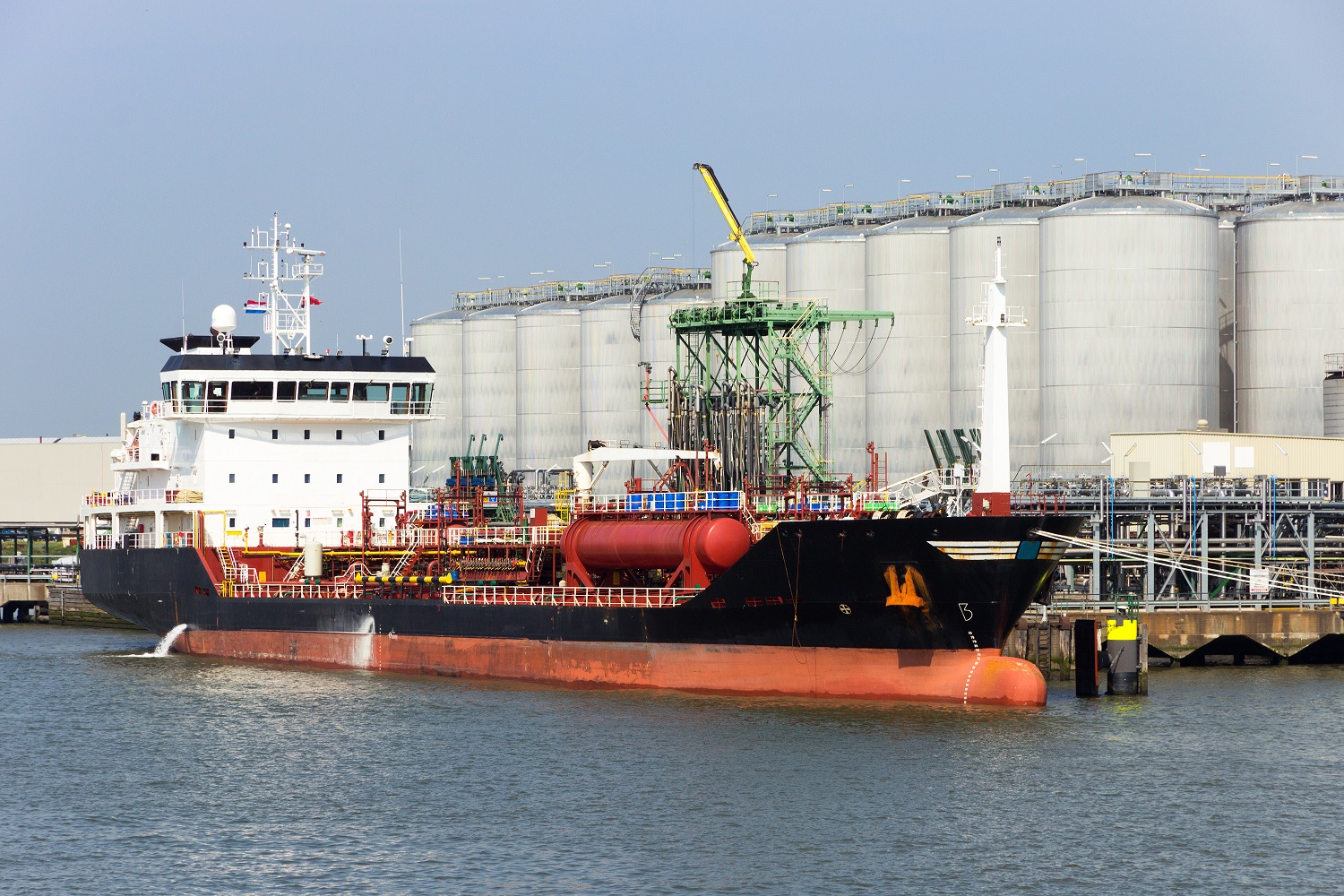
Jordan has issued a tender inviting energy consultancy firms to bid for a study to assess and optimise storage capacity for oil and petroleum products in the kingdom, with the aim of enhancing energy security, supply resilience and regional trade opportunities.
The project’s objective is to assess existing storage capacity for oil and petroleum products, identify future storage requirements to ensure energy security and meet anticipated demand, explore strategic and commercial opportunities related to storage infrastructure, and develop an optimal strategy for expanding and upgrading storage facilities.
The Ministry of Energy & Mineral Resources (MEMR) issued the request for proposals on 18 July and set a deadline of 17 August for consultancy firms to submit bids, according to sources.
Jordan’s heavy reliance on energy imports – exposed to risk during severe disruptions to energy supplies through the Gulf during the US-Iran conflict – has prompted the MEMR to seek ways to strengthen the country’s storage infrastructure.
Jordan’s main crude oil and refined products storage facilities are located in Aqaba, Al-Madounah in Amman and Zarqa.
Aqaba’s storage complex is vital for imports and export potential. Al-Madounah provides emergency reserve capacity, and Zarqa supports refinery operations and domestic supply continuity.
The appointed consultant will review existing facilities and forecast demand for crude oil and major petroleum products over a 10-year period, then conduct a gap analysis benchmarking Jordan against comparable countries and identifying shortages and bottlenecks by product and location.
The consultant will then develop an expansion strategy, quantifying additional storage needs, ranking potential sites and advising on ownership models, including public-private partnerships. The strategy will also explore opportunities for Jordan to become a regional storage and export hub – particularly via Aqaba – and will provide cost estimates and a phased implementation roadmap.
The consultant chosen by the MEMR for the study will have to complete all tasks and deliverables within six months of the award of the contract.
Jordan imports more than 90% of its oil, gas and refined-product needs, strengthening the economic case for projects to expand domestic hydrocarbon storage infrastructure.
While the government has been willing to advance projects deemed essential to reducing reliance on energy imports and improving the storage network, limited financing options and difficulty attracting foreign investment into the energy sector have led to projects stalling.

You might also like...

Dubai reshapes ICD board as Al-Shaibani exits
30 September 2026

King Salman Park prepares for soft opening
30 September 2026
Jordan prepares to tender new oil terminal at Aqaba port
29 September 2026

King Salman Gate signs project agreement with Malaysian firm
29 September 2026

A MEED Subscription...
Subscribe or upgrade your current MEED.com package to support your strategic planning with the MENA region’s best source of business information. Proceed to our online shop below to find out more about the features in each package.
Take advantage of our introductory offers below for new subscribers and purchase your access today! If you are an existing client, please reach out to your account manager.