


The UK contractor is working on strategically important projects in the region
Carillion entering compulsory liquidation is already causing chaos for the UK’s construction industry and the broader economy. In the Middle East the impact is less clear, and over the course of the next few weeks several key issues will need to be addressed if Carillion projects in the region are to be delivered successfully.
The first and most obvious is the ownership structure of its two main joint venture businesses in the region. The largest is the UAE’s Al-Futtaim Carillion and the other is Oman’s Carillion Alawi, in which Carillion sold 50 per cent of its business interest in July last year as part of a broader move to exit Saudi Arabia, Qatar and Egypt.
In the UAE one possible option is that Carillion’s share in AFC is taken over by Al-Futtaim. This move would be similar to the deal last year between UK contractor Balfour Beatty and the local Dutco Group, where after deciding to exit the region, Balfour Beatty sold its interests in Dutco Balfour Beatty and BK Gulf to the Dutco Group.

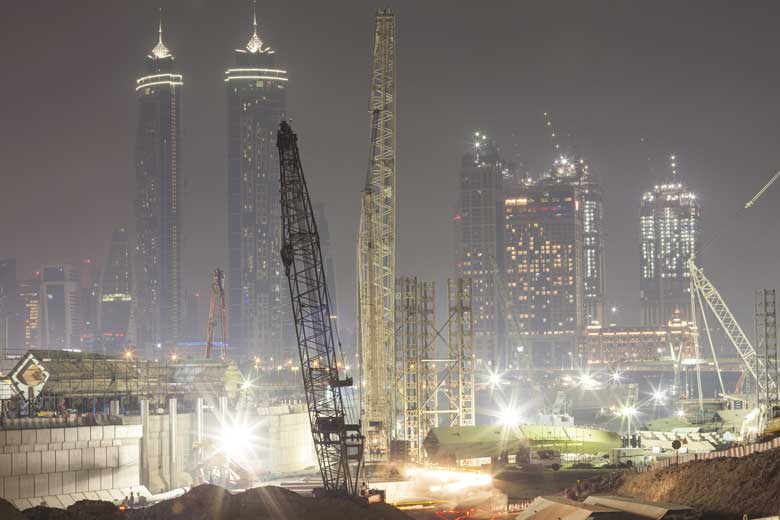
Another possible option would be another shareholder stepping in to replace Carillion’s share of the company. Although no official statements have been made, the feeling in the market is that this is the less likely option because AFC working on key strategic projects, most notably the $599m Thematic Districts at the Dubai Expo Site, and Dubai will want to be resolved as quickly as possible.
Another question that will have to be answered will be the funding structure on many of AFC’s projects in the UAE. Over the past few years the company has been a pioneer in securing work using funding support from UK Export Finance (UKEF), and with Carillion no longer trading it could mean that these projects do not meet the stipulated level of UK content required by UKEF-backed deals.
Financial guarantees will also have to be addressed. Should the guarantees on larger projects be backed by the shareholders individually, then project clients could either want those guarantees replaced with a focus on the local partner taking up the slack, or choose to pull bonds and cut any losses before they may arise.
Ultimately the lesson that the region should learn is that although construction may carried out as local business, it is very much part of an increasingly globalised world.
In July when Carillion provisioned from $418m for losses on projects – including work in the Middle East – it was a reminder for international companies that challenging projects in the region can become corporate-level problems.
Carillion entering compulsory liquidation is a reminder that what goes around comes around, and corporate problems for international contractors can threaten the delivery of projects in the region.
You might also like...

Oman invites bids for geothermal plant study
14 October 2026

SAR sets November deadline for GCC rail design review
14 October 2026

Preferred bidder chosen for Riyadh defence offices PPP
14 October 2026

UAE steps up project spending as war bites
14 October 2026
A MEED Subscription...
Subscribe or upgrade your current MEED.com package to support your strategic planning with the MENA region’s best source of business information. Proceed to our online shop below to find out more about the features in each package.
Take advantage of our introductory offers below for new subscribers and purchase your access today! If you are an existing client, please reach out to your account manager.