


With Mena desalination output set to triple by 2035, Intralox’s engineered polymer screening technology is redefining how utilities approach water intake
The Mena region produced 12 billion cubic metres of desalinated water in 2024, according to the IEA – equivalent to the annual flow of the Euphrates River. As that expansion accelerates, how utilities and developers specify, build and operate intake infrastructure is coming under renewed scrutiny.
 What does reliable water intake screening require in the Gulf’s operating environment, and how is technology evolving to meet that challenge?
Intake infrastructure is still frequently designed by scaling solutions that worked on previous projects, with limited reassessment of whether those approaches remain optimal as plants grow larger. In the aggressive temperature and salinity conditions of the Gulf, corrosion of the metal intake screens designed to prevent biofouling represents a persistent challenge – forcing production cuts and unplanned repairs that often require manual or underwater intervention.

Engineered polymer screening technologies such as Hydrolox are challenging conventional thinking by addressing both problems simultaneously: eliminating corrosion-driven degradation while enabling higher flow capacity within the same or smaller physical footprint, reducing civil works without compromising biological fouling resistance. The question operators are increasingly asking is not whether an intake performs adequately in year one, but whether it remains reliable across a decades-long asset lifecycle.
How are technology providers, utilities and EPC contractors working together to ensure major water and energy projects deliver long-term performance?
Traditionally, EPC contracts emphasised delivery to specification and lowest capital cost, with responsibility largely ending at plant handover – resulting in technology selection that prioritised upfront savings despite long-term performance tradeoffs.
As more projects across Saudi Arabia, the UAE and Qatar adopt DBO and similar models, this dynamic is shifting. Where EPCs retain operational responsibility, intake reliability directly affects commercial outcomes over many years. Hydrolox supports this evolution: its corrosion resistance and reduced maintenance burden help EPCs meet performance bonds at handover, while maximising intake availability under performance-based contracts – benefiting both contractors and end users.
How do you see capital and operational cost being balanced in water intake procurement and where is there room to improve?
In many EPC procurements, capital cost remains the dominant metric once minimum technical compliance is achieved. Traditional intake screening technologies – chain-driven and drum screens – often incur significant operational costs over their lifetime: chain and basket replacement, mesh damage from debris or jellyfish loads, bearing failures and underwater repairs all increase downtime and total cost of ownership.
There is growing recognition that investing in resilient intake technology improves whole-life value. Reduced mechanical complexity, lower routine maintenance and minimised corrosion- related degradation translate into higher availability and reduced downtime across desalination, power and industrial applications – which is ultimately where whole-life cost thinking delivers tangible value.
Published in partnership with

You might also like...
QatarEnergy to buy US LNG from Cheniere
24 October 2026

Scatec and EBRD establish Egypt renewables platform
24 October 2026
Neom Green Hydrogen tenders wastewater treatment plant
24 October 2026
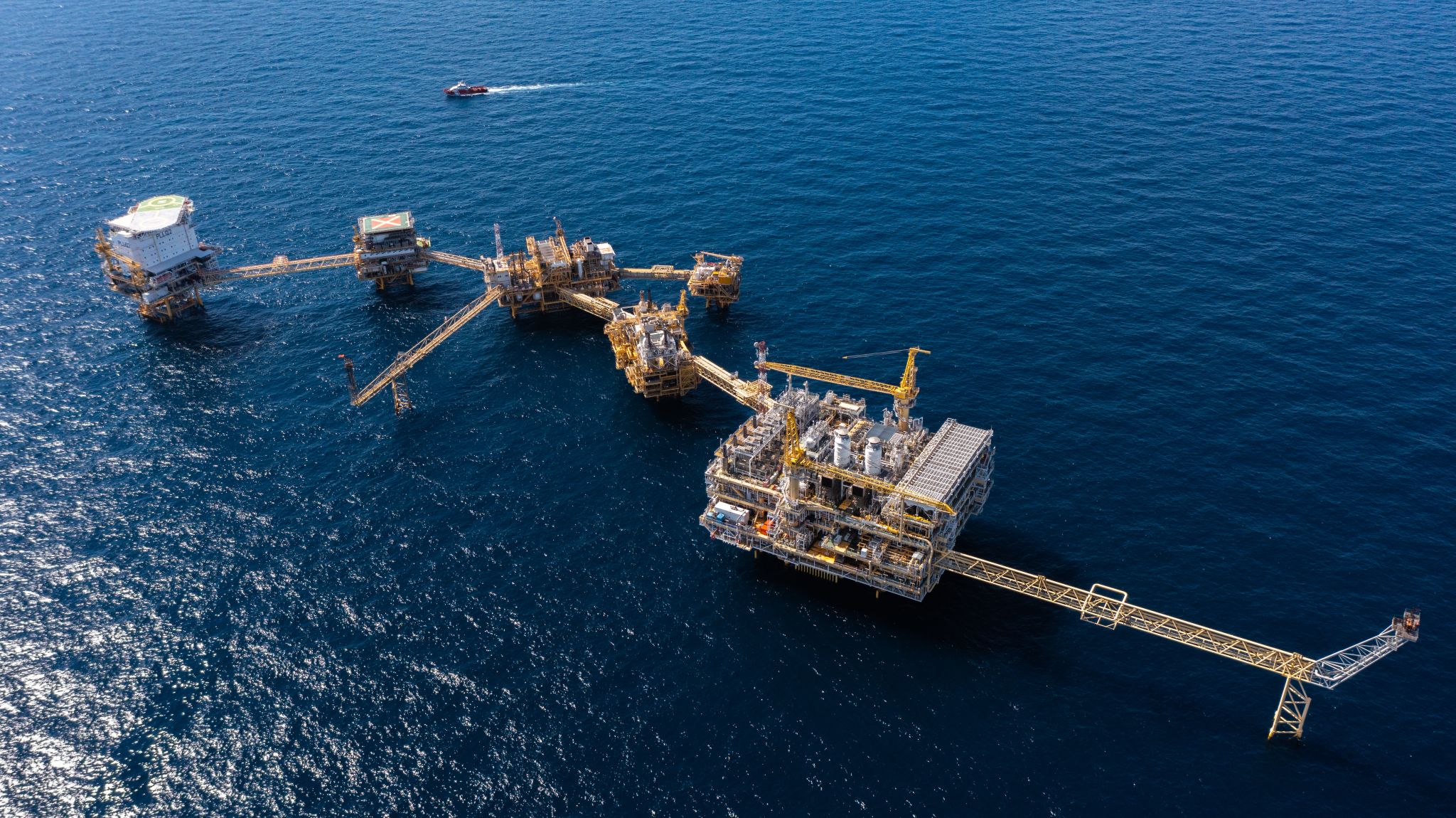
Aramco selects contractors for five offshore tenders
23 October 2026

A MEED Subscription...
Subscribe or upgrade your current MEED.com package to support your strategic planning with the MENA region’s best source of business information. Proceed to our online shop below to find out more about the features in each package.
Take advantage of our introductory offers below for new subscribers and purchase your access today! If you are an existing client, please reach out to your account manager.