



The 50:50 joint venture will combine 3GW of operational assets with 6GW under advanced development across nine Asian markets
Abu Dhabi Future Energy Company (Masdar) and France’s TotalEnergies have signed a binding agreement to establish a $2.2bn joint venture to develop, build and operate renewable energy projects across Asia.
The 50:50 platform brings together the companies’ onshore renewable portfolios across nine countries in Asia, including Central Asia, East Asia and Southeast Asia.

Existing assets and pipeline projects are spread across Azerbaijan, Kazakhstan, Uzbekistan, South Korea, Japan, the Philippines, Malaysia and Indonesia.
The combined business will have 3GW of operational capacity and 6GW of projects in advanced development, targeted for commissioning by 2030.
The firms said the joint venture will serve as the exclusive vehicle for both companies to expand solar, wind and battery energy storage projects in Asia.
In Kazakhstan, the partners are contributing large-scale wind projects combined with battery energy storage systems. These include TotalEnergies’ $1.9bn Mirny project comprising a 1GW wind power plant and 600MW battery energy storage system (bess). Construction commenced on the project last month.
The deal also covers Masdar’s 1GW wind power plant and 600MWh bess system in the Jambyl region. The Jambyl wind project will be implemented in two phases, each with a capacity of 500MW. The electricity generated by the plant is expected to be sold at 4.49 cents per kilowatt-hour over its 25-year project lifespan.
The joint venture is seen as a strategic move by both companies to strengthen and diversify their portfolios across high-growth markets.
For instance, in Kazakhstan, renewable power capacity is forecast to increase from about 3.5GW in 2025 to 12.9GW by 2035 as the country gradually expands low-carbon generation.
Wind power is anticipated to account for the majority of renewable additions due to the country’s strong wind resource potential and the availability of vast open land areas suitable for large-scale project development.
 READ THE APRIL 2026 MEED BUSINESS REVIEW – click here to view PDF
Economic shock threatens long-term outlook; Riyadh adjusts to fiscal and geopolitical risk; GCC contractor ranking reflects gigaprojects slowdown.
Distributed to senior decision-makers in the region and around the world, the April 2026 edition of MEED Business Review includes:
> AGENDA: Gulf economies under fire > GCC CONTRACTOR RANKING: Construction guard undergoes a shift > MARKET FOCUS: Risk accelerates Saudi spending shift > QATAR LNG: Qatar’s new $8bn investment heats up global LNG race > LEADERSHIP: Shaping the future of passenger rail in the Middle East |
To see previous issues of MEED Business Review, please click here

You might also like...
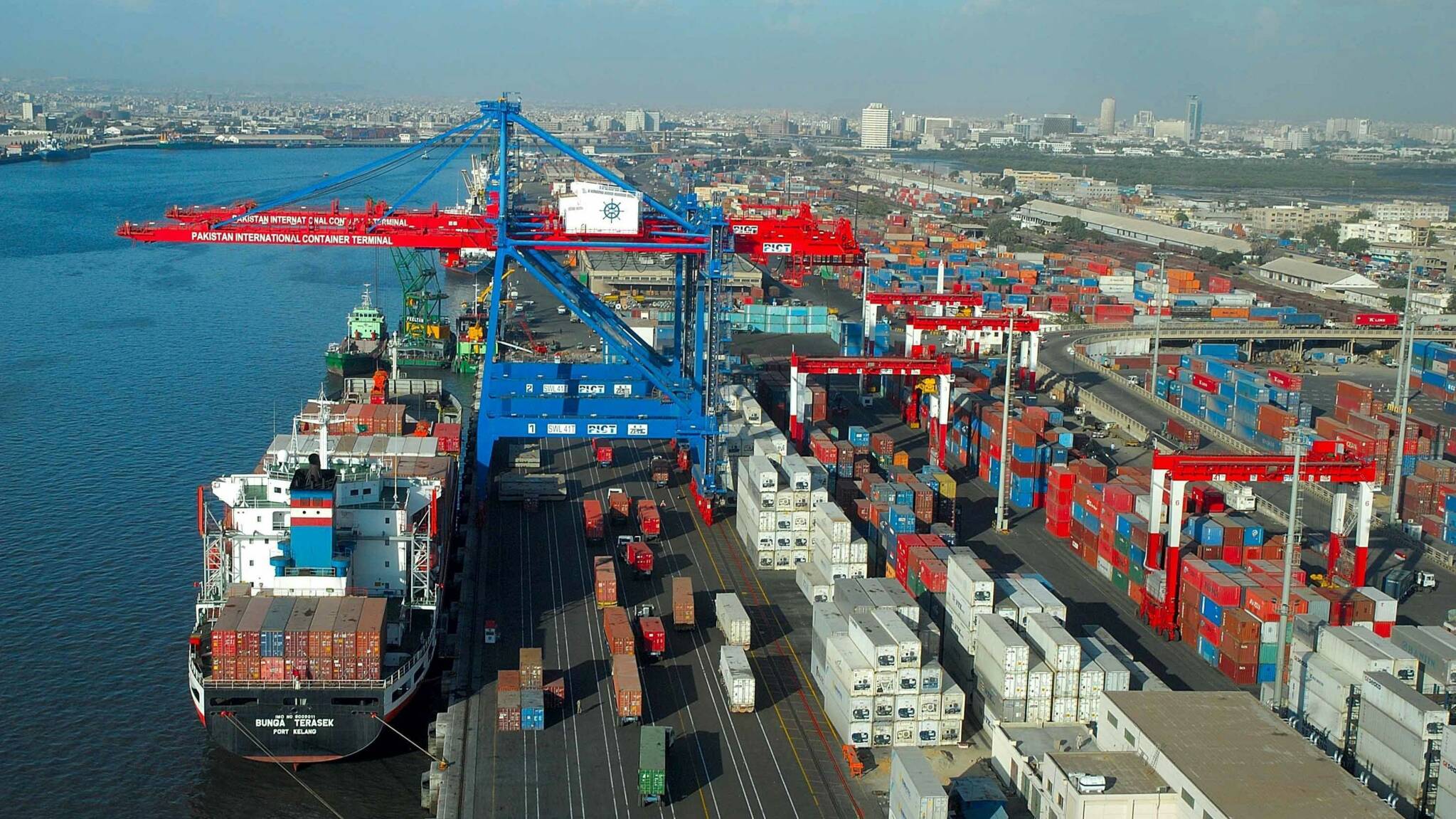
Opec Fund approves $645m in financing across 14 countries
18 September 2026
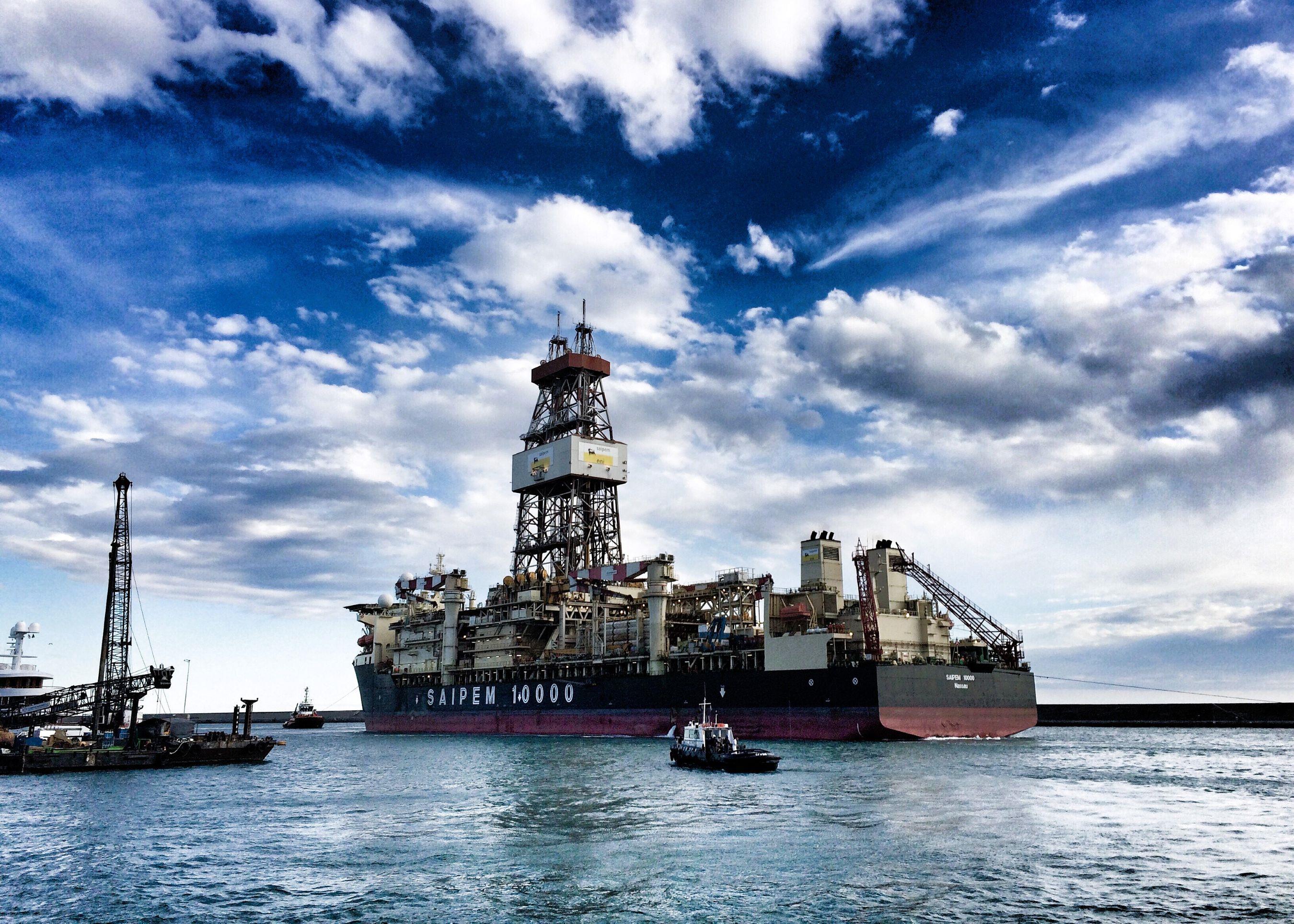
ADES completes acquisition of Saipem’s Saudi drilling business
18 September 2026
Circularity shapes sustainable cities of the future
18 September 2026
Bilfinger wins feed contract for Oman marine fuels terminal
18 September 2026
A MEED Subscription...
Subscribe or upgrade your current MEED.com package to support your strategic planning with the MENA region’s best source of business information. Proceed to our online shop below to find out more about the features in each package.
Take advantage of our introductory offers below for new subscribers and purchase your access today! If you are an existing client, please reach out to your account manager.