


A further wave of tanker and cargo vessel strikes in and around the Strait of Hormuz has pushed Brent crude back into triple digits, erasing strategic reserve release relief
Brent crude climbed back above $100 a barrel on 12 March after an overnight surge in attacks across the Gulf. The move reversed the modest pullback that had followed news of a coordinated reserve release by IEA member governments – highlighting that supply-side interventions cannot substitute for physical passage through the Strait of Hormuz.
Brent first broke the $100 mark on 9 March – its highest since Russia’s invasion of Ukraine – briefly touching $119 before pulling back on reports that Western governments would coordinate a reserve drawdown. That retreat proved short-lived.
On 11 March alone, the IRGC claimed responsibility for striking at least five vessels in and around the strait, bringing the total number of ships hit since 28 February to 17, according to UKMTO.

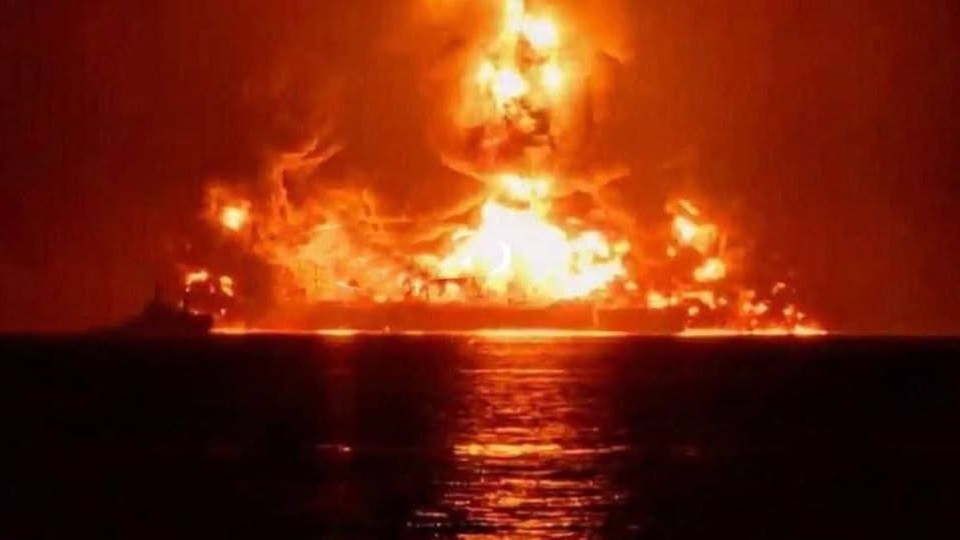
The gravest overnight incident involved Iranian attacks on two foreign oil tankers, leaving them ablaze in Iraqi territorial waters. Vessel tracking data indicates they were anchored alongside each other when the fire began.
The same day, a Thai-flagged bulk carrier Mayuree Naree that had departed from Khalifa Port in the UAE was struck and set on fire approximately 11 nautical miles north of Oman in the Strait of Hormuz, according to UKMTO.
The IRGC also struck the Liberia-flagged container ship Express Rome off Oman and the Japanese-flagged container ship ONE Majesty and the Marshall Islands-flagged bulk carrier Star Gwyneth in the Gulf.
IRGC naval commander Rear Admiral Alireza Tangsiri stated that any vessel seeking to pass through the strait must first obtain Iranian approval and heed Iranian warnings or face attack.
Reserve relief undone
Against this backdrop, the coordinated Western reserve release has failed to calm markets. All 32 IEA member nations agreed to release a combined 400 million barrels from their strategic reserves – the largest emergency drawdown in the agency’s history.
The US will contribute 172 million barrels from its Strategic Petroleum Reserve, with deliveries beginning next week. Japan, Germany, France, the United Kingdom, South Korea and Australia are among the nations participating.
The IEA’s executive director Fatih Birol warned, however, that the effective closure of the strait is cutting some 15 million barrels of crude oil and five million barrels of other oil products from global markets every day – meaning that the entire 400 million barrel release would only be equivalent to roughly 26 days at current rates of disruption.
Historical emergency releases have also peaked at around 1.4 million barrels per day – a fraction of the daily shortfall – according to JP Morgan, meaning that the reserve relief is likely to be ineffectual as a means of price pressure relief in the short-term.
The price of a barrel of Brent crude oil is widely projected to reach as high as $150 if traffic through the strait does not recover by the end of March.
Aramco president and chief executive Amin Nasser stated plainly that a prolonged shutdown of the strait “could lead to catastrophic consequences for global oil markets”.
You might also like...
Opec Fund approves $645m in financing across 14 countries
18 September 2026
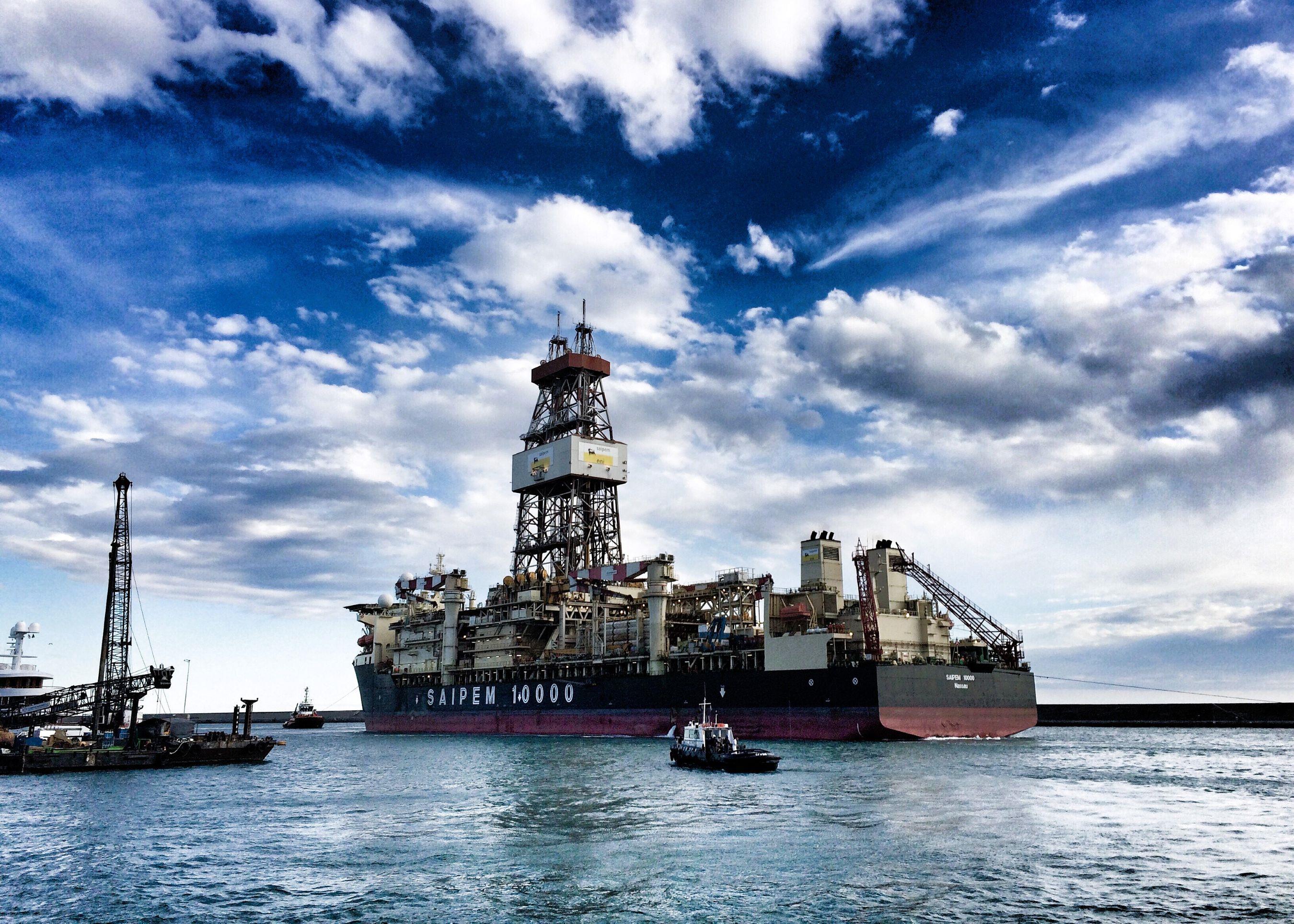
ADES completes acquisition of Saipem’s Saudi drilling business
18 September 2026
Circularity shapes sustainable cities of the future
18 September 2026

Bilfinger wins feed contract for Oman marine fuels terminal
18 September 2026
A MEED Subscription...
Subscribe or upgrade your current MEED.com package to support your strategic planning with the MENA region’s best source of business information. Proceed to our online shop below to find out more about the features in each package.
Take advantage of our introductory offers below for new subscribers and purchase your access today! If you are an existing client, please reach out to your account manager.