

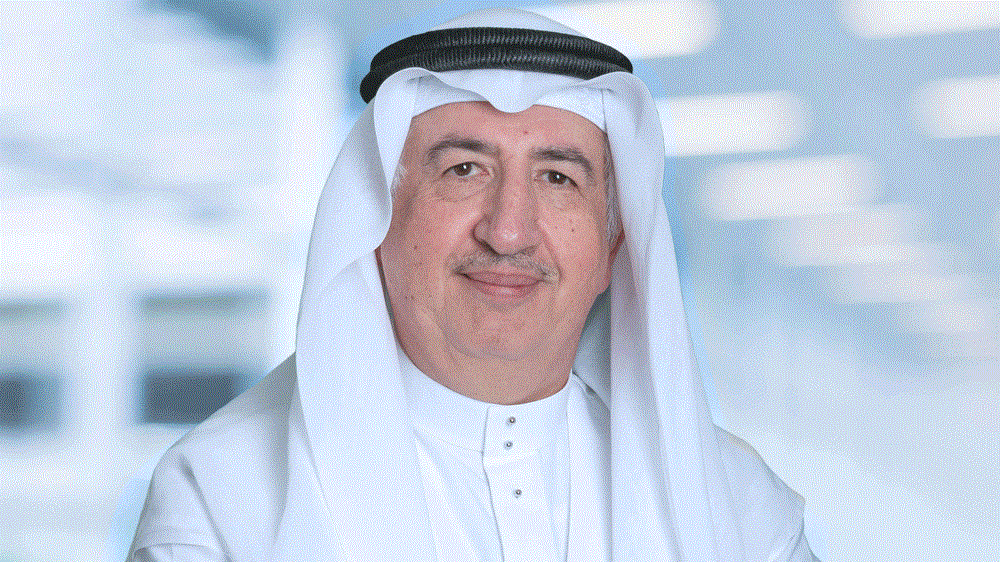
Sharia-compliant funding can support SME growth, but product awareness must be promoted, says Eng. Hani Salem Sonbol, CEO of ITFC and acting CEO of ICD
 Small and medium enterprises (SMEs) today require financial products, services, partners and collaborators to expand their business, speed their digital journey, help them enter new markets, and give them access to scale-building innovations that sharpen their competitiveness.
But new businesses can struggle to access finance as risk-averse banks are reluctant to lend to companies with no financial track record and limited physical assets. This leads to a lack of much-needed capital expenditure financing, seed financing, and venture capital.
There is an asymmetric information problem; the fund supplier frequently has a better understanding of the details of a transaction than the borrower, and a lack of information infrastructure for SMEs exacerbates the problem.
The result is that many SMEs end up securing finance with considerable charges or fees, or offering costly collateral, which hinders their growth. Sometimes overlooked, Islamic finance – an asset-based system with clear links to the real economy – may offer the solution for SMEs seeking finance.
Growing demand
Sharia-compliant banking services have grown tremendously since they first emerged in the 1970s. Over the past decade, Islamic finance grew at an annual rate of 10-12 per cent. Today, it is an estimated $2.5 trillion industry spread over more than 80 countries globally.
Despite the Covid-19 pandemic, Islamic financing expanded at an average compound rate of about 10 per cent in 2020 and 2021, while conventional loan growth expanded at about 3 per cent during the same period.
According to US-based Moody’s Investors Service, the economic recovery in key Islamic finance markets will boost credit growth and demand for sharia-compliant products. The US investment services provider says that Islamic banks' asset growth is likely to continue, outperforming the expansion of conventional lenders.

There are many drivers in the Islamic finance sector that will guarantee future growth. Firstly, the unbanked Muslim population is large; the unbanked population of the 57 OIC (Organisation of Islamic Cooperation) countries reached about 60 per cent in 2018.
Secondly, the improved breadth and quality of Islamic financial products and services are continuing to attract more customers, Muslim and non-Muslim alike.
Growth sectors
Growing demand for sustainable and environment-friendly development has led to a sharp uptake in green projects and investments globally. The considerable overlap between Islamic finance and ESG (environmental, social and governance) principles makes it an attractive option for many businesses.
The global halal market is also highly lucrative, with an estimated annual growth rate of 20 per cent , making it one of the fastest-growing consumer segments in the world. Islamic finance is expected to play a leading role in international halal trade facilitation.
Supporting SMEs
Islamic finance enhances business opportunities by offering financing solutions such as participatory contracts, where banks are not just financiers, but also have a vested interest in the success of the SME.
The foundation of the Islamic banking model is based on a profit-sharing principle, where the risk is shared by the bank and the customer. Not only does this benefit a business borrower, but this system of financial intermediation contributes to a more equitable distribution of income and wealth.
The strong ethical and moral dimensions of doing business with Islamic banks play an important role in promoting socially desirable investments and better individual and corporate behaviour.
However, as with traditional banking, the size of many SMEs may limit the type of products available. Islamic banks prefer to offer short-term, asset-backed facilities to the sector due to issues of business continuity and the higher risk involved in lending to smaller businesses. Long-term Islamic financing is usually only available to medium-sized enterprises with strong financial and business viability.
In terms of Islamic liability products, SMEs can benefit from the provision of deposit, savings, and current accounts, which are sometimes difficult to obtain from traditional banks.

Promoting awareness
Demand for Islamic finance products from the SME sector has been on the rise for a decade, especially in developed Islamic finance markets. The need is mainly for project financing, working capital and trade financing. Cross-country evidence points to a wide range of financing structures available to SMEs – a testament to the flexibility that Islamic finance offers.
Despite this, awareness gaps still remain, both in developed and emerging markets. In 2019, Malaysia’s central bank reported that almost 60 per cent of SMEs in Malaysia were not aware of the availability of Islamic financing facilities. In the UAE, 27 per cent of the sampled population were not aware that Islamic banking products existed, according to the 2020 Islamic banking Index collated by UAE bank Emirates Islamic.
Entrepreneurs are not fully utilising the many financing solutions provided by Islamic banks. Awareness of the facilities on offer must be promoted to ensure the growth of the SME sector, as well as the ongoing success of sharia-compliant financial services.

Published in partnership with ICD
You might also like...

Contractors submit bids for Neom wastewater plant
18 November 2026

Emsteel supplies products to key oil and gas projects
18 November 2026
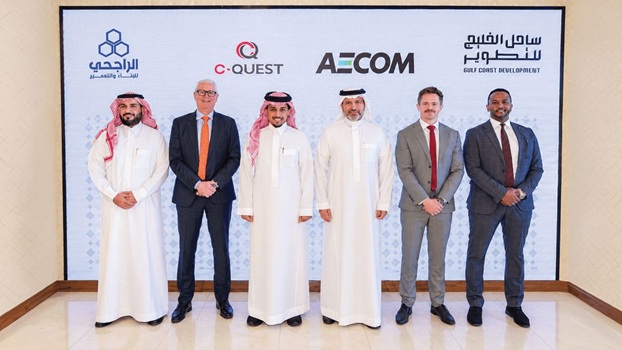
PIF firm awards $110m Al-Khafji mixed-use project deals
18 November 2026
Conflict spurs midstream spending
18 November 2026


A MEED Subscription...
Subscribe or upgrade your current MEED.com package to support your strategic planning with the MENA region’s best source of business information. Proceed to our online shop below to find out more about the features in each package.
Take advantage of our introductory offers below for new subscribers and purchase your access today! If you are an existing client, please reach out to your account manager.