


Delays or moving targets not unique to the region
Public transport, particularly urban rail projects, remain high on the government agenda across the Middle East and North Africa (Mena) region despite lower oil revenues.
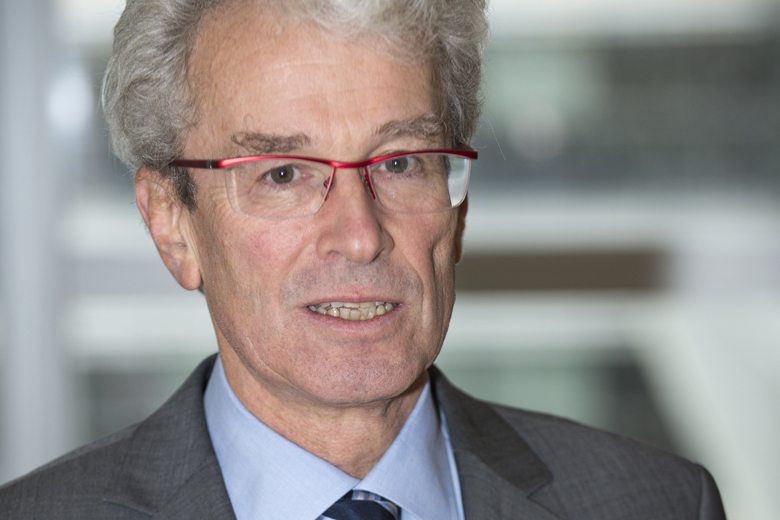
[Lower oil revenues] may have slowed down [the pace of rail] projects, but these have not resulted in their cancellation, Francois-Xavier Perin, RATP Dev CEO, tells MEED on the sidelines of the Mena Transport conference in Dubai.

Francois Xavier Perin
Francois Xavier Perin
The executive cited that delays or moving targets are not unique in the regions rail sector. Completion date for Paris $30bn driverless metro project, for example, has been moved from 2025 to 2030. It is understood that layers of approval are required for long-term projects that require massive commitment in terms of resources. What is more crucial is that the government remains committed to its long-term vision of developing an integrated public transport infrastructure, Perin says.
Perin is confident that issues related to growing road congestion in urban areas and the need to create jobs and diversify their economies will keep the regions leaders committed to their urban rail projects.
Perin also said urban rail systems will certainly be given a higher priority compared to roads in future due to their important socio-economic contribution. If it were to create 100,000 jobs, then a metro system will have to carry 300,000 more passengers every day . as public transport efficiency could help fuel economic growth and vice versa.
RATP directly employs 6,000 mostly skilled individuals across the Mena region, and this is set to increase significantly by 2018 when the SR7bn bus network in Riyadh comes online. Riyadhs bus network project, which was awarded to a joint venture of RATP Dev and Saudi Public Transport Company (Saptco) in 2014, will comprise 1,000 buses and is envisaged to create over 4,000 jobs.
Mass transit systems, Perin argued, are also more sustainable and efficient compared to private cars not just from an environment perspective but from a land value perspective. Growing congestion in urban areas contribute to the appreciation of land value, which means opportunities to build 4-6 lane roads in the future will be limited.
Besides operating trams and bus networks in Algeria and Morocco, RATP Dev will be operating the tramway at Qatars Education City.
You might also like...

Agentic AI comes for the customer journey
08 April 2026
Building the infrastructure that makes net zero possible
08 April 2026
UAE water investment broadens beyond desalination
08 April 2026

Dubai Q1 home sales rise 4.2% on off-plan demand
08 April 2026

A MEED Subscription...
Subscribe or upgrade your current MEED.com package to support your strategic planning with the MENA region’s best source of business information. Proceed to our online shop below to find out more about the features in each package.
Take advantage of our introductory offers below for new subscribers and purchase your access today! If you are an existing client, please reach out to your account manager.