

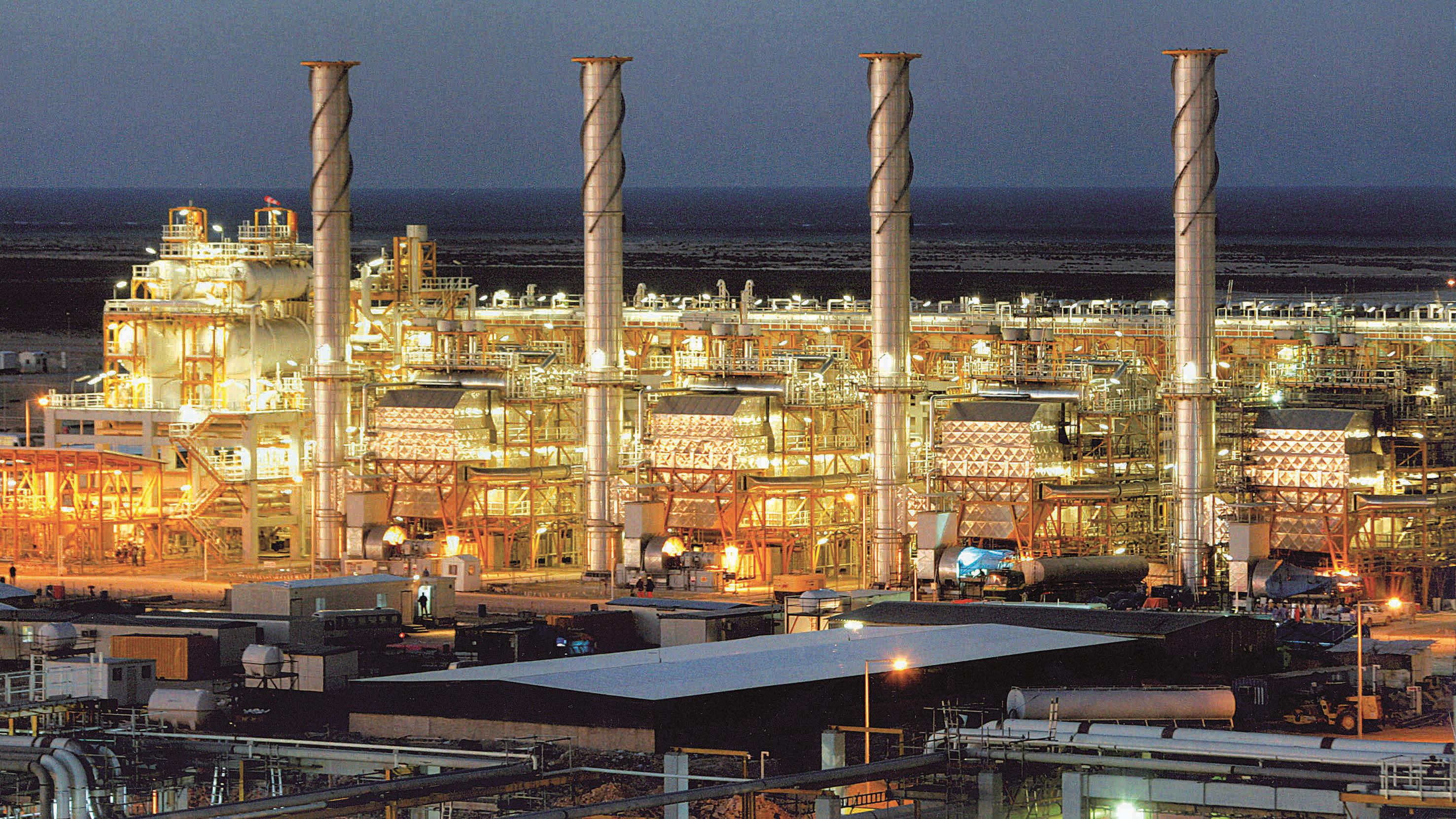
Missile strikes on QatarEnergy’s LNG production facilities in Ras Laffan have damaged 17% of its export capacity
Major gas and liquefied natural gas (LNG) infrastructure in Qatar and Iran has been severely damaged in missile and drone attacks, as the Israel-US-Iran war continues to escalate.
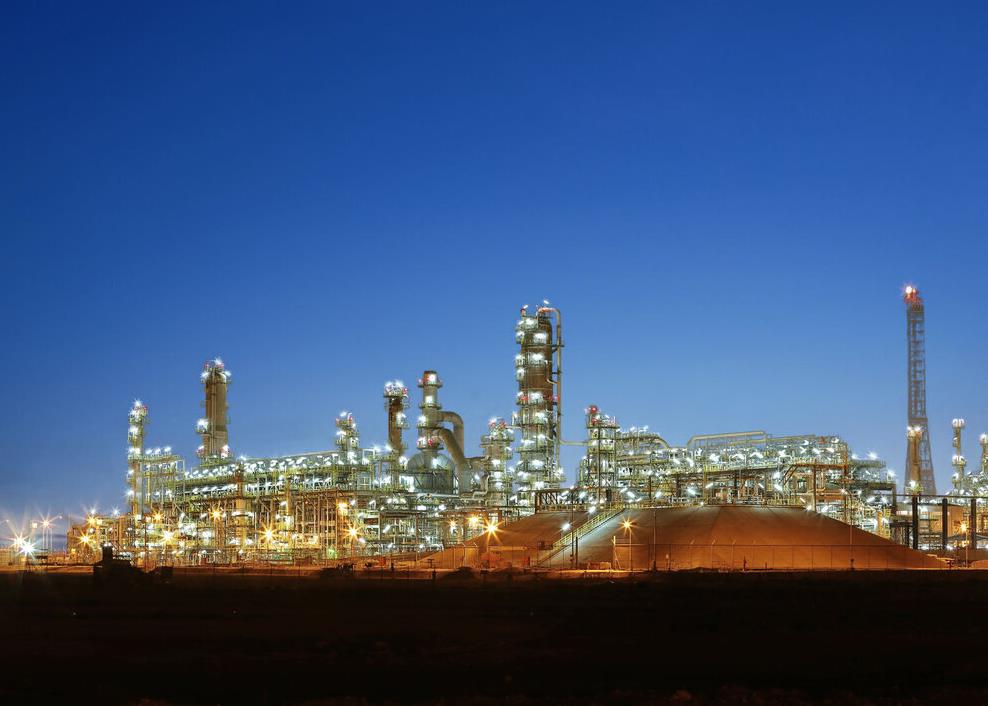
On 18 March, Qatar said Iranian missiles had caused “extensive damage” at Ras Laffan Industrial City, home to the largest LNG production and export facility in the world. State enterprise QatarEnergy currently has a nameplate LNG output capacity of 77.5 million tonnes a year (t/y), with all its processing trains and export infrastructure located in Ras Laffan Industrial City, which lies about 90 kilometres to the north of Doha.
Saad Sherida Al-Kaabi, QatarEnergy’s CEO and minister of state for energy affairs, said the Iranian strikes had knocked out about 17% of its LNG export capacity, causing an estimated $20bn in lost annual revenue.
The repairs to damaged assets will sideline 12.8 million t/y of LNG for three to five years, threatening supplies to European and Asian nations, including China and India, Al-Kaabi told news agency Reuters in an interview.
Qatar’s foreign ministry denounced the Iranian attack as a “dangerous escalation, flagrant violation of state sovereignty, and a direct threat to its national security and regional stability”.
Qatar reserves the right to respond in accordance with the right to self-defence guaranteed under international law, the foreign ministry said in a statement.
At least two of Qatar’s 14 LNG trains and one of its two gas-to-liquids facilities were damaged in the unprecedented Iranian strikes over the past few days, according to Al-Kaabi.
“I never in my wildest dreams would have thought that Qatar would be – Qatar and the region – in such an attack, especially from a brotherly Muslim country in the month of Ramadan, attacking us in this way,” Al-Kaabi told Reuters.
Consequently, QatarEnergy has said it will have to declare force majeure on long-term contracts for up to five years for LNG supplies bound for Italy, Belgium, South Korea and China due to the two damaged trains.
“I mean, these are long-term contracts that we have to declare force majeure. We already declared, but that was a shorter term. Now it’s whatever the period is,” Al-Kaabi said.
QatarEnergy had declared force majeure to certain customers on 4 March after it halted production of LNG and associated products due to previous Iranian attacks on the company’s operating facilities in Ras Laffan Industrial City and Mesaieed Industrial City in Qatar on 2 March.
The following day, the company said it was stopping output of products in the downstream energy value chain, including urea, polymers, methanol, aluminium and other products.
Iran’s South Pars gas facility hit
The latest attack on Qatar’s LNG infrastructure is understood to be retaliation by Iran after its South Pars gas field and related production units were hit by Israeli airstrikes earlier on 18 March.
Iran shares the South Pars field with Qatar, where it is known as the North Field. The natural gas reserve in the Gulf’s waters is estimated to hold 1,800 trillion cubic feet of gas and 50 billion barrels of condensates. QatarEnergy draws all of its gas from the North Field to fuel its giant LNG trains in Ras Laffan.
The strikes on Iran’s South Pars gas field were widely reported in Israeli media to have been carried out by Israel with US consent, although President Donald Trump said he had no prior knowledge of the attack. On the same day, Israeli airstrikes reportedly killed Iran’s intelligence minister and targeted Beirut in some of the most intense bombardment the city has seen in decades.
The attack on the heart of Iran’s gas infrastructure marks a significant escalation in US and Israeli military operations. Until then, the two countries had largely avoided targeting Iran’s oil and gas sector, helping to contain a surge in global energy prices.
Qatar’s foreign ministry spokesperson Majed Al-Ansari described the targeting of the South Pars gas field as a “dangerous and irresponsible step”.
You might also like...
Opec Fund approves $645m in financing across 14 countries
18 September 2026
ADES completes acquisition of Saipem’s Saudi drilling business
18 September 2026
Circularity shapes sustainable cities of the future
18 September 2026
Bilfinger wins feed contract for Oman marine fuels terminal
18 September 2026
A MEED Subscription...
Subscribe or upgrade your current MEED.com package to support your strategic planning with the MENA region’s best source of business information. Proceed to our online shop below to find out more about the features in each package.
Take advantage of our introductory offers below for new subscribers and purchase your access today! If you are an existing client, please reach out to your account manager.