


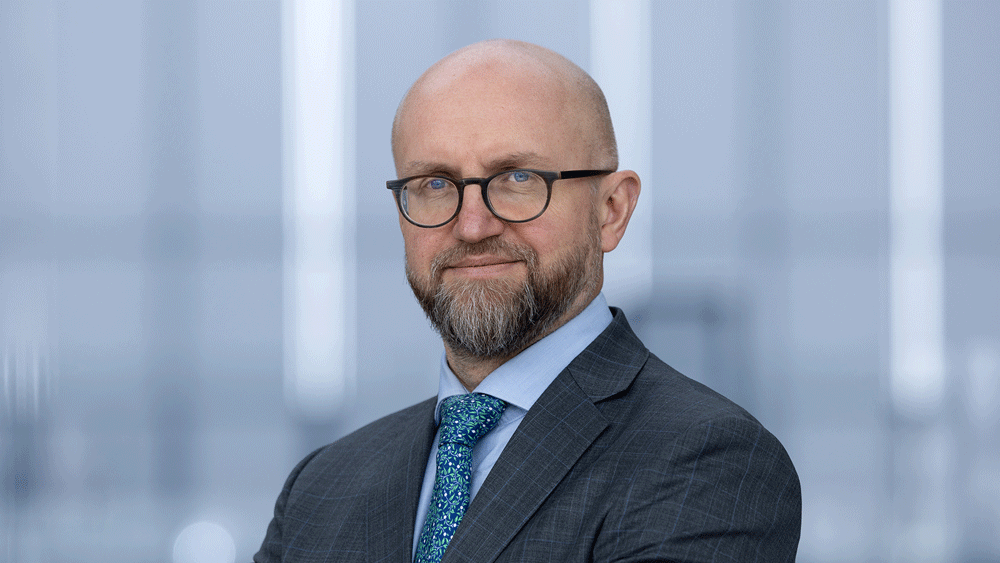
As AI transforms economies, the challenge is to finance the digital and energy infrastructure that will power growth in a sustainable and inclusive way, writes AIIB chief investment officer Konstantin Limitovskiy
Infrastructure, as we traditionally know it, is entering a new phase. For decades, the conversation primarily centred on roads, ports, airports, water systems and power networks. While all these facets obviously remain essential, the foundational infrastructure that will define the next decade is much broader and more interconnected. It includes fibre, submarine cables, data centres, smart logistics, resilient grids and digital systems that allow economies to move faster, use resources more efficiently and serve people more effectively.
Technology-driven innovation is changing how modern economies grow and how infrastructure is planned, built and operated. The next generation of infrastructure will not simply connect people. It will improve performance, efficiency, resilience and sustainability. It will also expand the physical foundations needed to bridge the digital divide, so more people can benefit from the opportunities created by the modern economy.
Artificial intelligence (AI) is accelerating that change. As AI scales, so does demand for computing capacity, data storage, reliable electricity and security. The backbone of the digital economy depends on assets that can be highly intensive in electricity and water use. That means the next wave of digital investment must be financed with sustainability in mind from the start.

Bridging divides
At the same time, the world cannot build its future on an unequal footing. The AI revolution risks widening existing divides. AI is developing fastest in markets that already have advanced digital infrastructure, abundant computing power and reliable access to energy. Many developing economies remain constrained by gaps in connectivity, affordability and digital infrastructure. The challenge is to ensure that the infrastructure behind AI is efficient, resilient, sustainable and accessible.
This is where multilateral finance plays a distinct role. Asian Infrastructure Investment Bank (AIIB) can help turn that demand into investable programmes, apply standards, structure risk and crowd in more capital. In digital infrastructure, this can include supporting higher energy and water efficiency standards, integrating renewable energy into power supply for data centres, and applying environmental standards that help projects remain sustainable over the long term.
The need for scale is clear. Public balance sheets alone will not finance the infrastructure now required. This is why sovereign wealth funds matter so much in the next chapter of development finance. They bring long-term capital, strategic investment horizons and the capacity to absorb and structure complex risk. AIIB has already worked with sovereign wealth fund investors across multiple projects, and these partnerships are powerful not merely because of the volume of capital involved, but because of their long-term horizon and ability to support complex infrastructure needs.
The GCC region is especially important in this regard. It combines significant pools of patient institutional capital with a growing need for sustainable, technology-enabled and cross-border infrastructure. AIIB can act as a bridge, helping align infrastructure demand across its members with GCC capital that is strategic and global in reach.
Looking ahead, development finance institutions can help deepen investor interest in emerging-market infrastructure by developing financing structures that better match institutional capital objectives with infrastructure assets. These may include asset trusts, infrastructure asset-backed securities or other approaches that help investors access diversified, high-quality infrastructure exposure while supporting development outcomes.
Connected future
What, then, is the distinctive role of a multilateral development bank in this next phase? At AIIB, I see it as threefold. First, we help translate infrastructure demand into tangible, bankable projects with clear development outcomes. Second, we use our platform to structure transactions, share risk and crowd in private capital. Third, we bring standards, consistency and long-term perspective to sectors where technology is moving faster than financing norms and regulatory frameworks.
AIIB’s digital infrastructure strategy highlights several comparative advantages here, including the ability to provide longer maturities and appropriate instruments, help mobilise private finance, mitigate regulatory risks, and apply high project standards across a rapidly changing sector. This role matters because infrastructure investment is no longer just about building assets. It is about building systems: power systems that can support data centres without locking in high emissions; digital systems that expand access rather than deepen exclusion; and financing systems that attract private capital without weakening public value.
The next decade of multilateral finance will not be defined by AI, sovereign wealth, or even by infrastructure alone. It will be defined by whether we can connect them intelligently. The real test is whether we can build integrated institutional frameworks that are technology-enabled, climate-resilient and socially inclusive; whether we can align long-term institutional capital with real economy needs; and whether we can do so at scale. AIIB was created to finance Infrastructure for Tomorrow, which means helping ensure the AI revolution is built on foundations that are greener, more connected, and open to more people.
About the author
Konstantin Limitovskiy is the chief investment officer, public sector (region 2) and project and corporate finance (global) clients, at the Asian Infrastructure Investment Bank (AIIB). In this role, he oversees AIIB’s investment operations with public sector clients in Pakistan; Afghanistan; Central, East and West Asia; Europe, Middle East, North Africa and Latin America; and project and corporate finance clients focusing on private infrastructure and other productive sectors in all AIIB Members
You might also like...
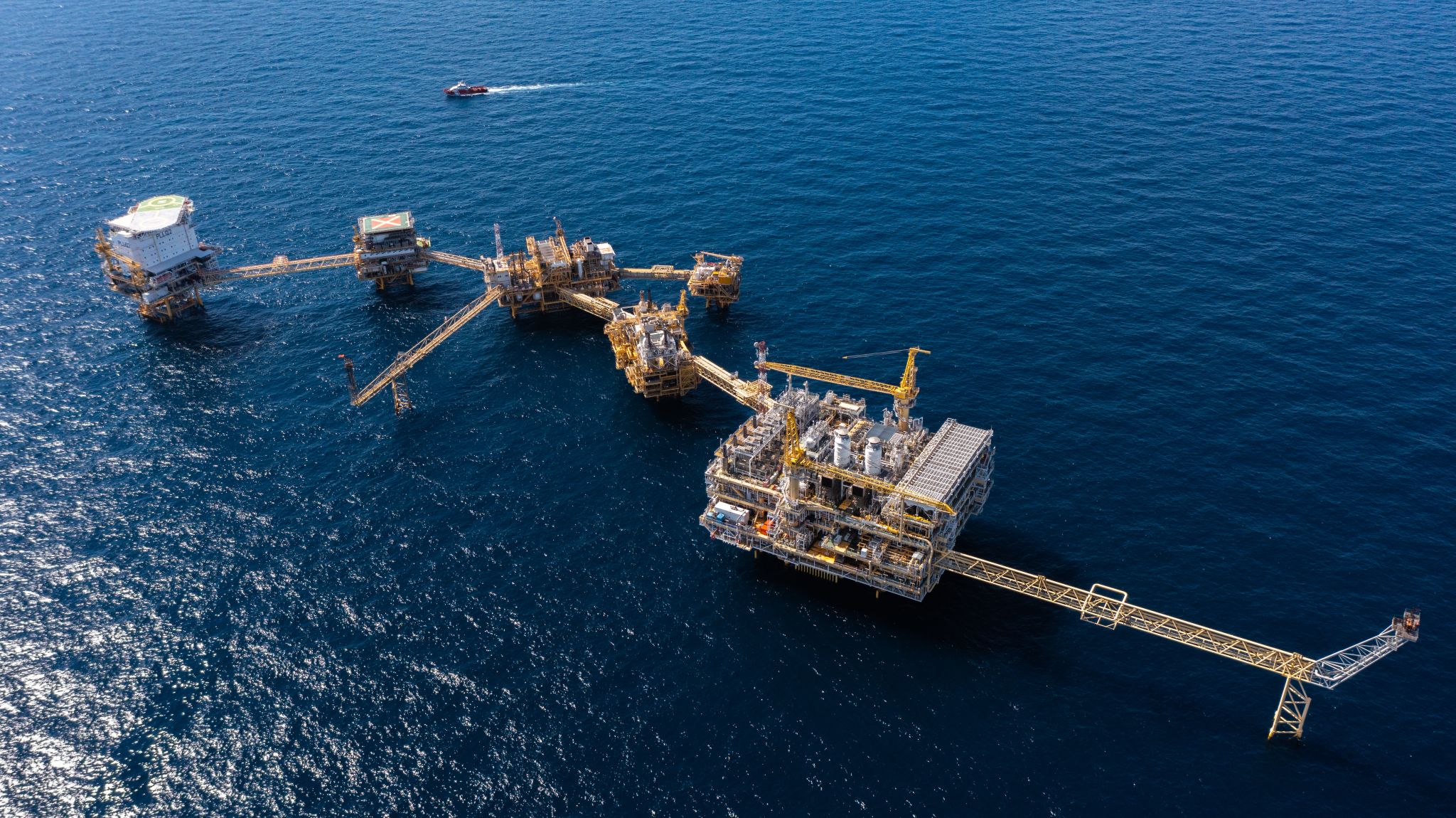
Aramco selects contractors for five offshore tenders
23 October 2026
Contractor wins $599m Ras Al-Khaimah hotel construction deal
23 October 2026
Adnoc Onshore seeks bids for Bab gas cap well tie-in project
23 October 2026

Focus turns to the Northern Emirates
23 October 2026


A MEED Subscription...
Subscribe or upgrade your current MEED.com package to support your strategic planning with the MENA region’s best source of business information. Proceed to our online shop below to find out more about the features in each package.
Take advantage of our introductory offers below for new subscribers and purchase your access today! If you are an existing client, please reach out to your account manager.