



GlobalData's Construction Projects Momentum Index for the Mena region rose to 0.84 in June, with the UAE leading and a sharp infrastructure rebound offset by weaker institutional activity and a decline in Saudi Arabia
Register for MEED’s 14-day trial access
The Middle East and North Africa’s construction project pipeline strengthened in June 2026, recovering some of the momentum lost earlier in the year as the effects of the Israel-Iran conflict continued to work through regional project markets.
GlobalData’s Construction Projects Momentum Index (CPMI) for the Mena region rose to 0.84 in June, up 5% from 0.80 in May, leaving the region third globally behind South Asia and Sub-Saharan Africa. The three-month moving average held at 0.95, unchanged from May.
The recovery was led by execution-stage activity, where the score rose to 1.18 in June from 1.06 in May. Pre-execution momentum, however, continued to soften, falling to 0.68 from 0.73. The pre-execution stage captures project planning, design development and procurement preparation, and a sustained decline there can point to a thinning of the future pipeline even when near-term execution holds up.
Infrastructure drove the sector-level gains, with momentum rising sharply to 1.03 in June from 0.25 in May, the largest increase among the region’s sectors. Industrial momentum rose to 0.78 from 0.40. Residential activity remained elevated at 1.17, easing only marginally from 1.22.
The gains were partly offset by a steep pullback in institutional activity, where momentum fell to 0.45 in June from 1.72 in May, the largest decline of any sector. Commercial and leisure momentum eased to 0.88 from 1.13, and energy and utilities to 0.59 from 0.82.
The UAE posted the region’s highest score in June at 1.52, up from 1.16 in May. Algeria rose to 1.26 from 0.68, and Kuwait recovered to 0.76 from 0.26. Egypt reached 1.36, Oman held at 0.87, Qatar rose to 0.86 and Iran eased to 0.81.
Saudi Arabia was the main exception among the larger markets, with its score falling to 0.31 in June from 1.16 in May. GlobalData linked the decline to procurement disruption on renewable energy projects under the Public Investment Fund’s giga developments and to the Najran-Asir-Jizan direct road, which faced consecutive bidding delays and consortium withdrawals.
Israel recovered to 0.65 in June from -1.66 in May, having recorded the region’s weakest scores through the earlier phase of the conflict.
Whether the June recovery is sustained will depend on the direction of pre-execution activity, which continued to weaken even as execution-stage momentum firmed.
 READ THE AUGUST 2026 MEED BUSINESS REVIEW – click here to view PDF
Saudi Arabia builds for the global stage; Rising uncertainty creates fresh set of challenges in the Maghreb; Gulf banks remain robust in the face of geopolitical tensions.
Distributed to senior decision-makers in the region and around the world, the August 2026 edition of MEED Business Review includes:
> WORLD CUP: What the 2026 World Cup means for Saudi Arabia 2034 > MARKET FOCUS: Maghreb fortunes diverge > INDUSTRY REPORT: GCC banks prove resilient amid turmoil > LEADERSHIP: Private capital and the GCC infrastructure inflection > INTERVIEW: Developers look beyond standalone solar |
To see previous issues of MEED Business Review, please click here
You might also like...
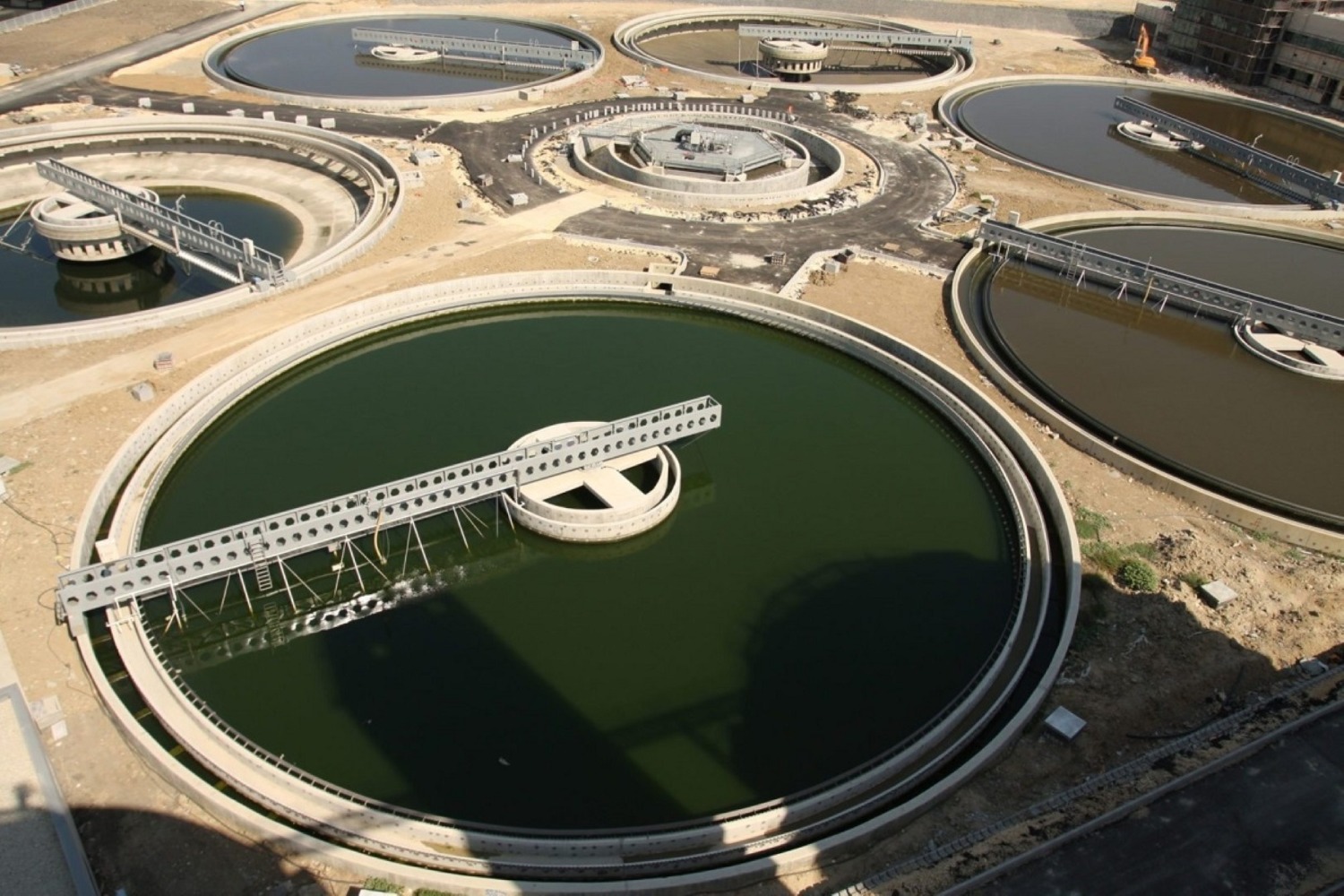
Contractors submit bids for Neom wastewater plant
18 November 2026
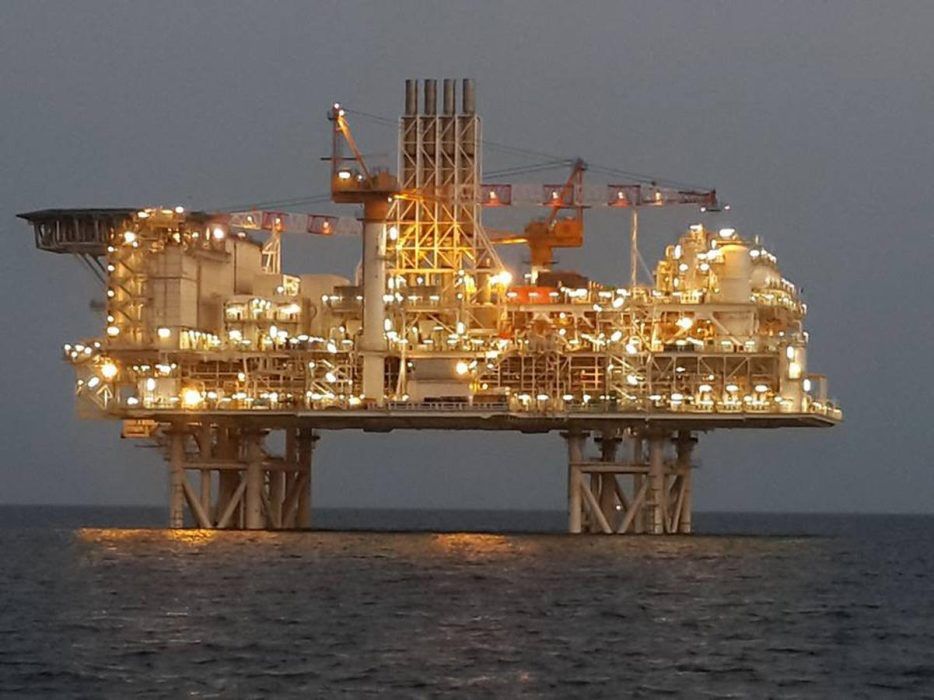
Emsteel supplies products to key oil and gas projects
18 November 2026
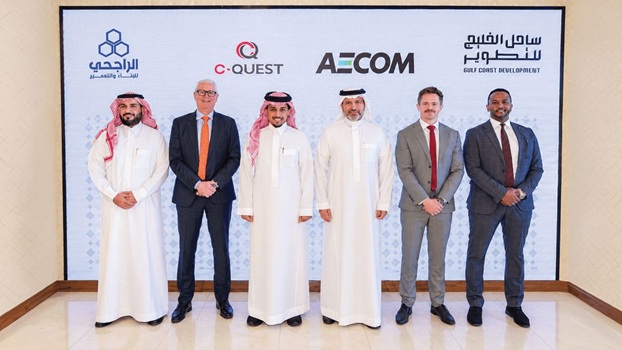
PIF firm awards $110m Al-Khafji mixed-use project deals
18 November 2026
Conflict spurs midstream spending
18 November 2026
A MEED Subscription...
Subscribe or upgrade your current MEED.com package to support your strategic planning with the MENA region’s best source of business information. Proceed to our online shop below to find out more about the features in each package.
Take advantage of our introductory offers below for new subscribers and purchase your access today! If you are an existing client, please reach out to your account manager.