

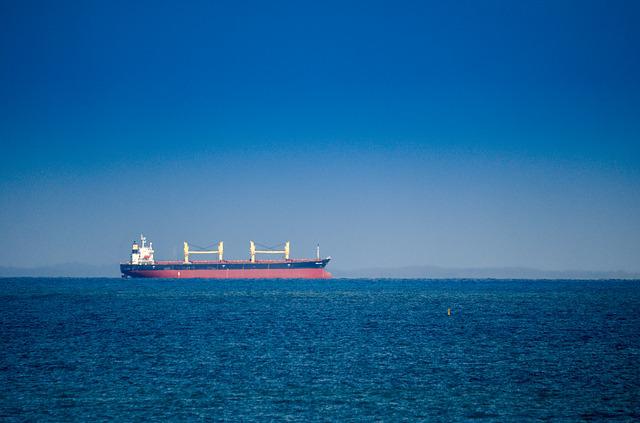

The US and Iran have agreed a framework deal to end their military conflict, with the Strait of Hormuz set to fully reopen on 19 June when the agreement is formally signed in Geneva.
US President Donald Trump announced on 14 June that the deal was complete, authorising the lifting of the US naval blockade on Iranian ports and declaring the strait open for toll-free navigation. Speaking at the G7 summit in France on Monday, Trump told reporters: "The deal's all signed."
The agreement, structured as a memorandum of understanding (MoU), extends the current ceasefire by 60 days, during which both sides will negotiate the terms of a final settlement. Vice-President JD Vance described the MoU as roughly a page and a half in length and characterised it as a broad framework, with technical details to be resolved in subsequent talks beginning later this week.
Pakistan's Prime Minister Shehbaz Sharif, whose government mediated the negotiations, said the deal included the immediate and permanent cessation of military operations across all fronts, including in Lebanon. The MOU was signed electronically by Trump, Vance and Iranian parliament speaker Mohammad Bagher Ghalibaf.
Central to the framework is Iran's commitment to verifiably forgo nuclear weapons development. US officials said any sanctions relief or release of frozen Iranian assets would be conditional on Tehran meeting its obligations under the agreement.
The reopening of the Strait of Hormuz is core issue for the global economy. Oil prices fell and equity markets rallied on news of the deal, though shipping industry sources cautioned that a return to normal trade volumes could take months. On the morning of 16 June, the price of Brent Crude was just below $83 a barrel.
Significant uncertainty surrounds the agreement's implementation. Iran's foreign ministry acknowledged "deep mistrust" of Washington and described the MoU as merely a step toward de-escalation. Israeli Prime Minister Benjamin Netanyahu, who was not party to the negotiations, has reportedly said Israeli forces would remain in security zones in Lebanon. An Israeli strike in southern Lebanon was reported shortly after the deal was announced, with Hezbollah responding with missiles and drones.
G7 leaders broadly welcomed the agreement but pressed for clarity on a series of unresolved issues, including whether Iran had secured any right to levy fees for maritime services in the strait.
You might also like...
A MEED Subscription...
Subscribe or upgrade your current MEED.com package to support your strategic planning with the MENA region’s best source of business information. Proceed to our online shop below to find out more about the features in each package.
Take advantage of our introductory offers below for new subscribers and purchase your access today! If you are an existing client, please reach out to your account manager.