


Despite slower headline contract awards and tighter fiscal conditions, the Gulf construction sector is entering a more disciplined phase of growth, writes Dal Bhatti, construction practice leader IMEA at Marsh
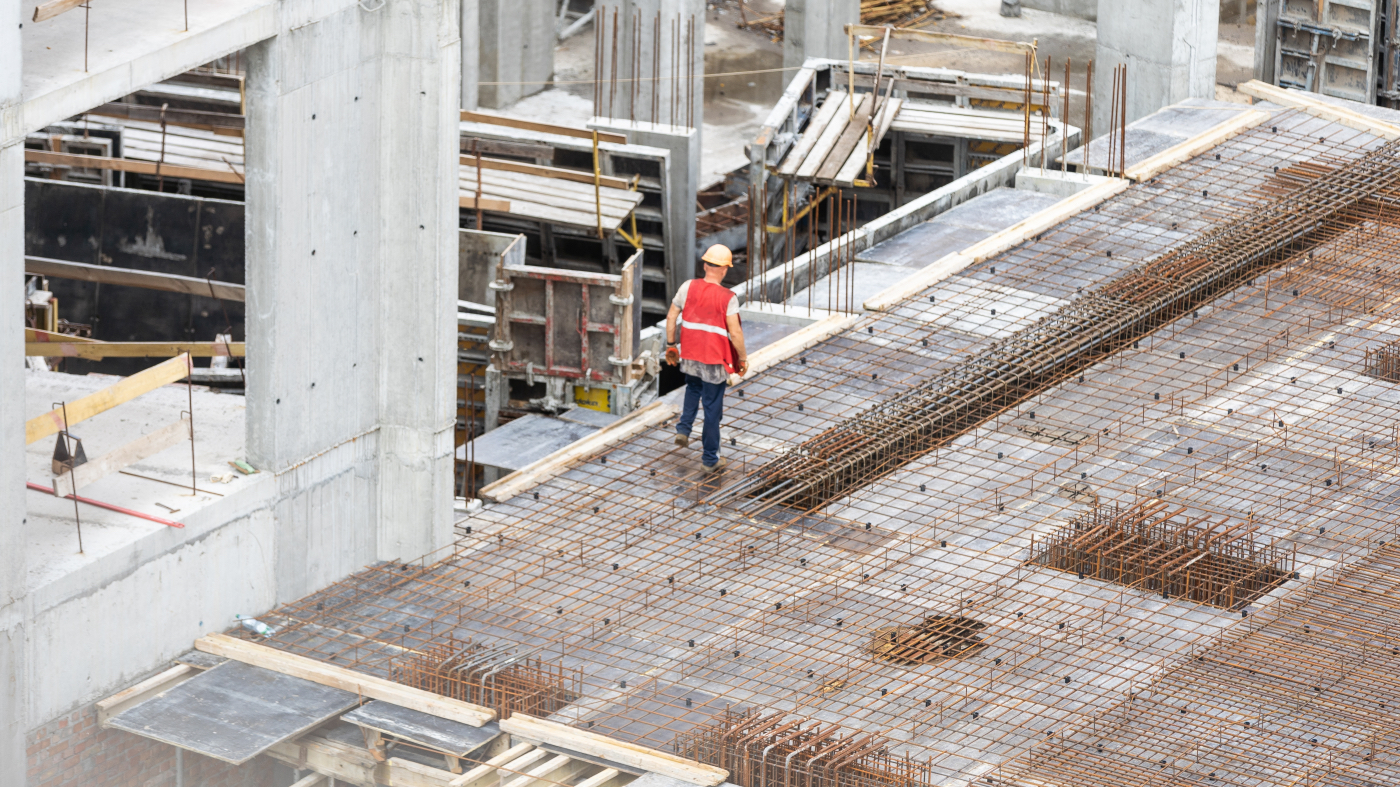
From the outside, it is easy to look at questions around Saudi Arabia’s gigaprojects, tighter public spending and regional geopolitical risk and conclude that the Gulf construction boom is slowing. In reality, 2026 is shaping up to be a breakthrough year, as the region is learning to grow more selectively, more digitally and with a greater focus on risk.
Saudi Arabia is the clearest example. With non-oil economic activity expanding, inflation contained and unemployment at record lows, Vision 2030 reforms are taking hold. At the same time, the government’s 2026 pre-budget statement projects a sharply wider fiscal deficit in 2025 and a still material gap in 2026, while ratings agencies note that lower oil prices and high spending commitments create risks to the consolidation path.
That reality is visible in project activity. MEED Projects data show that in the first five months of 2025, GCC contract awards fell 39% year on year, to $67bn from $110bn, largely due to a pause in Saudi giga-spending and a broader pullback in expenditure. Yet a closer look shows underlying commitment remains, with spending rephased rather than withdrawn.

The Public Investment Fund’s most recent annual report shows its assets under management rising by about 19% year-on-year, with more than $56.8bn deployed into priority sectors in 2024. Taken together, these statistics underline that the principal investor behind many gigaprojects is still expanding its balance sheet and long-term firepower, even as it adjusts the pace and sequencing of delivery. This strategic capital deployment, informed by risk assessments, is enabling more disciplined investment decisions that balance ambition with financial prudence.
The construction fundamentals remain strong. Marsh’s Construction Market Update 2025 notes that Saudi Arabia’s construction industry is expected to grow by an average of 5.4% a year through 2029, supported by transport, energy, industrial and housing projects, including infrastructure for Expo 2030 Riyadh and the 2034 Fifa World Cup. The same report highlights a positive outlook for the UAE through 2026, driven by logistics, energy and commercial real estate investment.
Global forecasts reinforce this picture. MEED analysis concludes that, even as global growth cools, the Middle East remains one of the world’s main construction growth leaders, supported by large pipelines in energy, power, water and transport.
An evolving sector
What is changing is the quality of risk management behind that growth. Mercer’s Economic and Market Outlook 2026 expects steady global growth next year, supported in part by artificial intelligence (AI)-driven investment that could reach around $500bn annually, much of it into data centres, power and network infrastructure. Inflation in major economies is also projected to stabilise around central bank targets, helping to support more predictable materials costs and financing conditions for long-duration projects. That is directly relevant to Middle East construction, which is already building much of the digital and energy backbone that this capital investment will require.
Contractors are not relying on these macro trends alone. Research finds that around 28% of construction contractors globally now rank inflation and economic volatility as their most significant business risk, ahead of material costs, contracting risk, workforce challenges and supply chain disruption, with cyber risk close behind. The response has been more selective bidding, tighter and more balanced contract terms and greater assessment of subcontractors and supply chains.
Supply chain resilience is central to this shift. Marsh’s work on supply chain risk resiliency shows how logistics bottlenecks, extreme weather and geopolitical tensions can quickly translate into disruption and financial loss. In the Gulf, this has encouraged sponsors and contractors to diversify suppliers, expand local and regional manufacturing and rely more heavily on longer-term framework agreements for critical inputs. In practical terms, the sector is doing what policymakers have called for, spreading suppliers and building local capability so that it becomes more flexible and less exposed to global shocks. Through diversification and expansion of regional manufacturing, project owners directly reduce geopolitical exposure and enhance supply chain agility, which in turn improves project delivery timelines and cost certainty (including savings).
As AI continues to advance, it is now a key enabler for project delivery. AI is not only shaping asset design, but it is also streamlining logistics, supporting more agile scheduling and making supply risk more visible to boards, investors and insurers.
The risk transfer market is also moving in a favourable direction. Increased appetite from existing and new insurers has contributed to rate reductions in most territories and helped stabilise construction insurance pricing and capacity. In the Mena region, high-profile national development programmes continue to attract insurer attention. The evolving insurance market plays a critical role in supporting risk transfer and project security, reinforcing the importance of presenting clean, robust project data and credible risk mitigation plans to attract capacity at the best terms.
From speed to resilience
GlobalData’s Construction Project Momentum Index shows that the Mena region recorded a score of 1.01 in June 2025, the highest globally, before easing to 0.77 in July, a 24% decline that reflected a cooling in Saudi Arabia. Over the same period, the UAE’s score rose from 0.91 to 1.13. In other words, activity is rotating rather than collapsing and the region remains one of the world’s most active construction markets even as Saudi Arabia recalibrates the scheduling of its giga programme.
Taken together, these trends show that the Middle East is not moving from boom to bust. It is moving from speed to resilience. Inflation is easing globally, AI and digital tools are making supply chains and delivery more flexible, and insurance capacity is returning.
That is why 2026 should be seen as a breakthrough year. It is the moment the region turns supply chain complexity, smarter use of technology, disciplined risk management and the strategic investment approach into a competitive advantage and builds not just more, but better-prepared, future-ready infrastructure.

You might also like...
Aramco selects contractors for five offshore tenders
23 October 2026
Contractor wins $599m Ras Al-Khaimah hotel construction deal
23 October 2026
Adnoc Onshore seeks bids for Bab gas cap well tie-in project
23 October 2026

Focus turns to the Northern Emirates
23 October 2026


A MEED Subscription...
Subscribe or upgrade your current MEED.com package to support your strategic planning with the MENA region’s best source of business information. Proceed to our online shop below to find out more about the features in each package.
Take advantage of our introductory offers below for new subscribers and purchase your access today! If you are an existing client, please reach out to your account manager.