


The consortium aims to deploy $500bn to build AI infrastructure in the US over four years
Abu Dhabi-based artificial intelligence (AI)-focused fund MGX has teamed up with US technology firms Oracle and ChatGPT creator OpenAI, and Japan's Softbank, to form the Stargate project, which aims to invest $500bn to build AI infrastructure in the US.
On 22 January, US President Donald Trump announced the project as "the largest AI infrastructure project by far in history".
Backed by Abu Dhabi sovereign wealth fund Mubadala, MGX was formed in 2024.
MGX aims to build $100bn in assets under management within a few years, along with US-headquartered Global Infrastructure Partners and Microsoft, the fund's key partners.
In September 2024, it was announced that technology investment platform Global AI Infrastructure Investment Partnership aims to invest in new and expanded data centres, chiefly in the US, to meet the growing demand for computing power, as well as energy infrastructure to create new sources of power for these facilities.
The same month, Sheikh Tahnoon Bin Zayed Al-Nahyan, deputy ruler of Abu Dhabi and national security adviser, and Jake Sullivan, US national security adviser, sealed an agreement on the common principles for cooperation on AI in Washington, following a meeting between UAE President Mohammed Bin Zayed Al-Nahyan and then-US President Joe Biden.
No money
Following the launch of the Stargate project, Tesla co-founder and head of the newly formed US Department of Government Efficiency, Elon Musk, who was kept out of the project, remarked in a social media post that the joint venture "don't [sic] actually have the money ($500bn)".
He followed up by saying that Softbank had well under $10bn secured.
Softbank's Masayoshi Son pledged to invest $100bn in the US in December.
The Stargate project's planned investment is greater than the investment in data centres planned by Emirati billionaire Hussain Sajwani, who together with President Trump, announced a plan to invest at least $20bn over four years in building data centres in several US states.
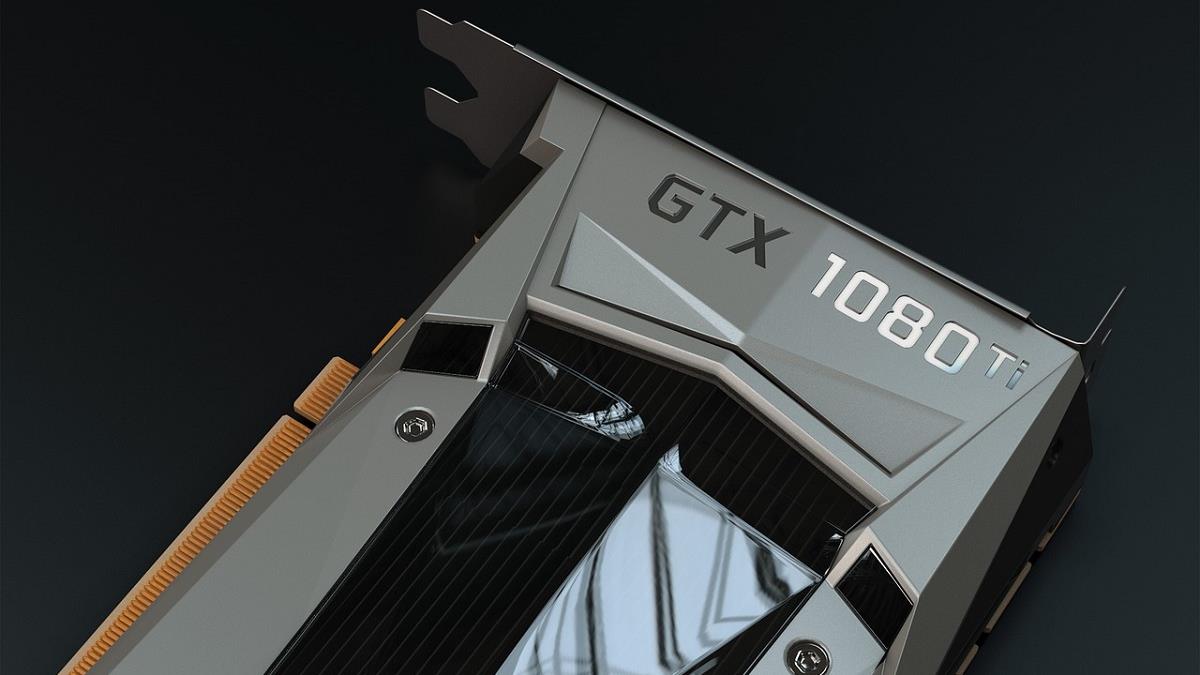
On 13 January, days before President Trump took office, the White House issued a brief of a regulation by the Department of Commerce imposing controls on the export of advanced computing integrated circuits.
The regulation's final draft splits countries into three tiers. Chip exports to the top-tier countries, comprising 18 of the closest allies of the US, are "without limit".
According to reports, the third tier comprises countries of concern, including Macau (China) and Russia.
All other nations and states, including those in the GCC, are presumed to be mid-tier countries, where a cap of approximately 50,000 graphics processing units (GPUs) between 2025 and 2027 will apply.
Individual companies from these countries will be able to achieve higher computing capability if they comply with US regulations and obtain validated end-user status.
The White House brief is no longer available online, but a copy of the regulation can still be found in the Federal Register, the US government's daily journal.

You might also like...
Aramco selects contractors for five offshore tenders
23 October 2026
Contractor wins $599m Ras Al-Khaimah hotel construction deal
23 October 2026
Adnoc Onshore seeks bids for Bab gas cap well tie-in project
23 October 2026

Focus turns to the Northern Emirates
23 October 2026


A MEED Subscription...
Subscribe or upgrade your current MEED.com package to support your strategic planning with the MENA region’s best source of business information. Proceed to our online shop below to find out more about the features in each package.
Take advantage of our introductory offers below for new subscribers and purchase your access today! If you are an existing client, please reach out to your account manager.