
Useful business facts on Qatar
Official name
State of Qatar
Head of state: Emir Sheikh Tamim bin Hamad al-Thani
Capital: Doha
Area
The total area of Qatar is 11,586 square kilometres. It has a creek known as Khor al-Adaid, which is a popular tourist site near the Saudi Arabian border.
Geographic location
The country occupies the small Qatar Peninsula on the northeastern coast of the Arabian Peninsula. It borders Saudi Arabia to the south and juts out into the Gulf.
Flag
Qatar’s flag is maroon and white with nine serrated points on the hoist side.
Language
The official language is Arabic, but English is widely spoken.
Population
Qatar’s population is estimated to be 2.2 million. Only 15 per cent is Qatari. The remainder consists of expatriates, many of whom are from other Arab states, the Philippines and the Indian subcontinent.
Time
Qatar is three hours ahead of GMT. It does not adjust its clocks in the summer.
Currency
The currency of Qatar is the riyal (QR). It is pegged to the US dollar, with QR1 worth $3.64.
Country code
(+974)
Internet country code
.qa
GDP
In 2013, Qatar’s GDP totalled $202.5bn. Per-capita income was estimated by the Washington-based IMF at $100,260, but is expected to drop to $96,635 in 2014. Qatar is one of the richest countries in the world by per-capita income.
Business hours
Working hours are generally 8am to 7pm, from Sunday to Thursday, with many businesses finishing one shift at noon and starting the next at 3.30pm. Government ministries and oil, gas and petrochemical firms work from 7am to 2pm.
Religion
Islam is the dominant and official religion. Qatar is the only Wahabi state on the Arabian Peninsula apart from neighbouring Saudi Arabia. Muslims make up 77.5 per cent of the population, Christians 8.5 per cent and other religions 14 per cent.
Ramadan is the Muslim month of fasting. Eating, drinking and smoking are banned from dawn to dusk and working hours are reduced for both the public and private sector.
Non-Muslims are expected to avoid eating, drinking and smoking during daylight hours so as not to cause offence. The end of Ramadan is celebrated with the Eid al-Fitr holiday, which can last up to a week. Many nationals take this time off for holidays, and business is often affected by the absence of senior officials.
The end of the Hajj pilgrimage is followed by Eid al-Adha, another holiday period during which government offices close.
Climate
From May to September, temperatures in Qatar average about 35 degrees Celsius, but frequently hit 50ºC. Combined with 90 per cent humidity and frequent sandstorms, Qatar’s climate can be unbearable. By comparison, the winter months are much more pleasant, with temperatures in the mid-20s. There is even occasional rainfall in December and January.
National airline
State-owned Qatar Airways is the national airline and began operations in 1994.
Hydrocarbons
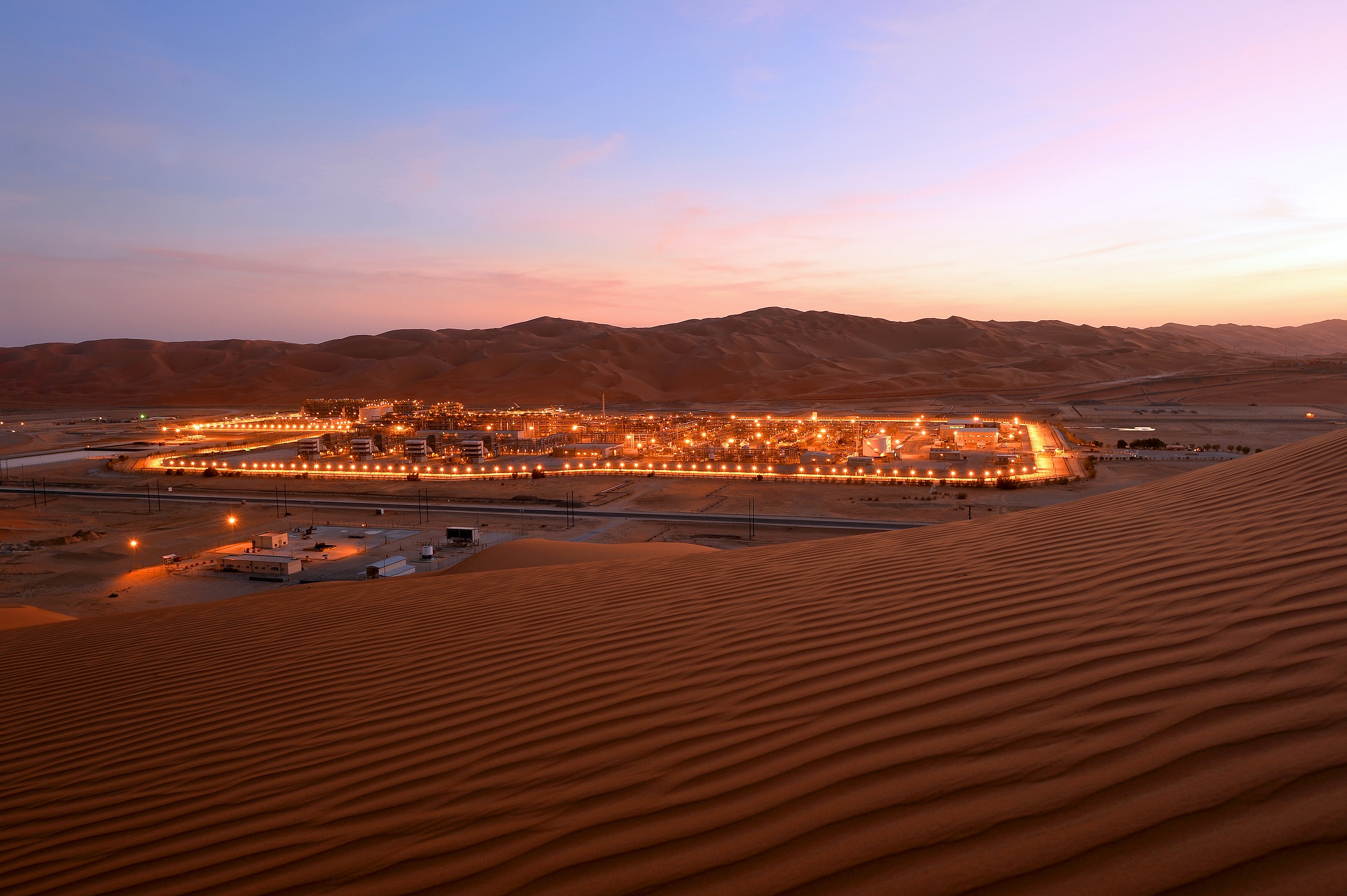
Qatar has the third-largest proven gas reserves in the world after Iran and Russia. Its reserves totalled 25.1 trillion cubic metres in 2012, much of it in the North Field, the largest non-associated gas reservoir in the world. In 2006, Qatar became the largest exporter and transshipper of liquefied natural gas and, in 2008, its quarterly earnings from gas exports overtook those of oil.
Qatar produces 1.9 million barrels of oil a day, primarily from conventional sources, along with condensate from natural gas.
You might also like...

A MEED Subscription...
Subscribe or upgrade your current MEED.com package to support your strategic planning with the MENA region’s best source of business information. Proceed to our online shop below to find out more about the features in each package.
Take advantage of our introductory offers below for new subscribers and purchase your access today! If you are an existing client, please reach out to your account manager.