


Emirate to press ahead with mega project despite slowing economy and weaker investors and consumer sentiment
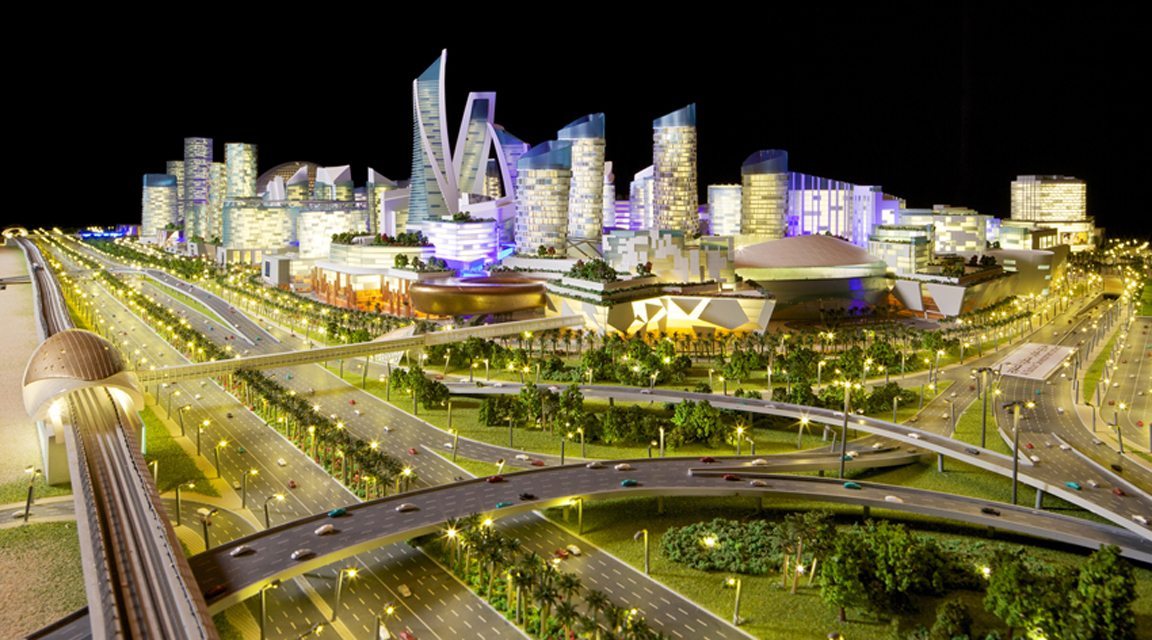
Dubai will go ahead with its plans to build $22bn Mall of the World project, billed to be the largest shopping mall in the world, despite slowing economy.
The emirate, however, will build the later phases of the project according to demand for retail, leisure and hospitality space.
We will be reacting to the demands of the market. The project is massive and complex and will have to be built in stages, news agency Reuters quoted Ahmad bin Byat, vice-chairman and managing director of Dubai Holding, developer of the project, as telling a press conference.
Plans for the remainder will be dependent on market dynamics, Byat said, adding that the mall would still become the worlds largest shopping destination. The first phase, about a quarter of the projects size, would be completed before Expo 2020 exhibition in Dubai.
Dubai Holding plans to fund the project equally through its own equity, institutional investors and debt. The cost is estimated to be nearly AED80bn ($22 billion) and the developer would contribute approximately AED30bn of that amount.
The company is already in talks with advisors, financial investors, and sovereign wealth funds among others. We have a lot of understandings with quite a few people. This is a mixed-use project which will be very interesting not only to locals but for the global market to invest in, he said.
The project was announced at the height of oil boom with crude prices sailing above $100 per barrel in mid-2014. The 745,000 square metre development includes retail spaces connected with a theme park, 100 hotels and serviced apartment buildings which will add 20,000 rooms to Dubais already crowded hospitality market.
Dubais economy doesnt rely as much as the neighbouring Abu Dhabi on sale of hydrocarbons to generate revenues. However, close to 70 per cent slide in the price of crude since the announcement of mega project has dented consumer and investor sentiment in the emirate.
Abu Dhabi accounts for about 6 per cent of the global oil reserves and has already resorted to cuts in subsidies on fuel and utilities. In Dubai, the private sector economic index has dropped to its lowest level since February 2010, reaching 50.7 in January, which is barely above the 50.0 no-change mark. The index measures changes in output, new orders, employment, suppliers delivery times and stocks of purchased goods across Dubais construction, travel and tourism, and wholesale and retail sectors.
You might also like...
Aramco upstream spending gathers pace
14 September 2026
Sabic steps up Saudi petchems investment
14 September 2026
Miral commits $3.2bn Yas Island investments
14 September 2026
Amea Power begins operations at Uganda solar plant
14 September 2026
A MEED Subscription...
Subscribe or upgrade your current MEED.com package to support your strategic planning with the MENA region’s best source of business information. Proceed to our online shop below to find out more about the features in each package.
Take advantage of our introductory offers below for new subscribers and purchase your access today! If you are an existing client, please reach out to your account manager.