



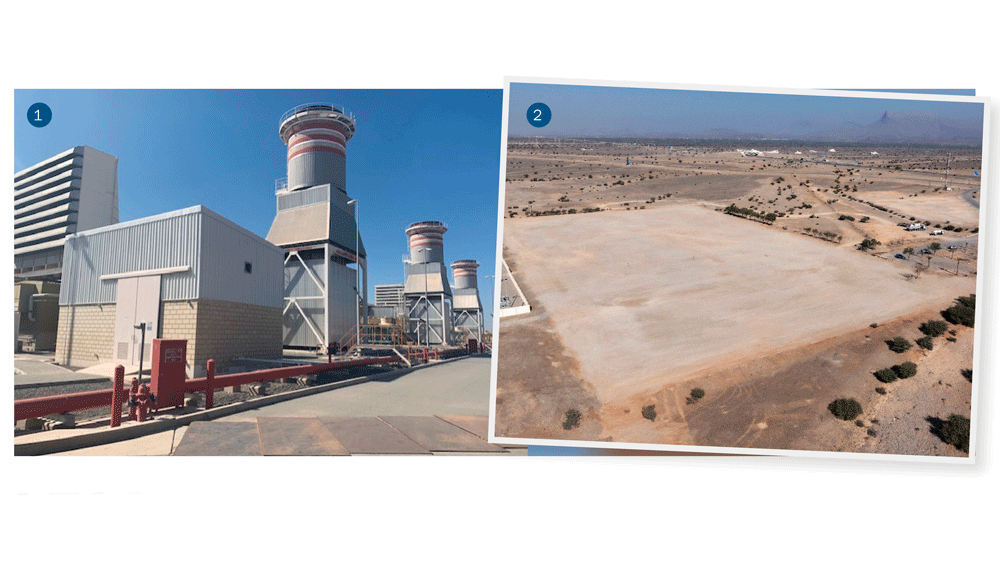
Al-Kamil power plant was one of the first in Oman to be decommissioned, providing insight that can benefit future regional decommissioning efforts


Al-Kamil power plant, a 280MW, gas-fired power plant in the Sharqiya region of Oman, was recently decommissioned following nearly 20 years of operations as the country’s second independent power plant.
The plant reached commercial operation in 2002, at which time it started to supply electricity to Nama Power & Water Procurement Company under a 15-year power purchase agreement that was later extended to the end of 2021. No further extension was granted so, in 2022, the decommissioning process was initiated.
Al-Kamil power plant was one of the first privately owned power plants in Oman to be decommissioned. The entire process took significantly longer than planned – three years compared to an initial target of 12 months. This was not unexpected, however, as there were not yet any standard processes to follow. Everything was being done for the first time, and proper procedures had to be established.
Starting decommissioning
The decommissioning of a power plant is a complex process and can take as much time to complete as it takes to build a plant. It involves environmental considerations, health and safety protocols, detailed surveys, de-energisation, dismantling, demolition, waste management and the segregation and storage of secondary valuables.
 Careful planning and management are essential to ensure that decommissioning is accomplished safely, cost-effectively and in accordance with all government environmental standards.
Consulting on the decommissioning of Al-Kamil were Dubai’s Golden Sands Marketing Consulting (GSMC), appointed in 2021, alongside Abu Dhabi’s Sustainable Water & Power Company (SWPC) and Dubai’s Tractebel Engineering Company (TEC).
One of the first steps that GSMC undertook was to prepare a master plan covering the entire decommissioning process (see right).
A site investigation was undertaken by GSMC and SWPC early in the process to determine the condition of the power assets and the overall site.
The Al-Kamil power plant was found to have been well maintained, with no major health, safety, security and environment (HSSE) issues.
SWPC prepared the dismantling guidelines covering all plant equipment, and these were reviewed by TEC. The guidelines covered three main phases: the shut down and isolation of all assets; the de-
energisation process; and the dismantling of the plant equipment, its removal from site and the demolition of all remaining civil works.
GSMC designed a sales strategy for the plant equipment, taking into consideration the secondary market for power-related equipment, as well as the scrap market in Oman. A competitive procurement process was also followed in an effort to maximise sales revenues from plant equipment.
A separate tender was issued to appoint a demolition contractor to remove the remaining civil works, and once this work was complete, a local environmental engineering company undertook a final environmental report to demonstrate that the site was properly cleared and ready for handover to the original owner, the Housing & Urban Planning Ministry.
Final results
The decommissioning project went well in terms of HSSE considerations, with no fatalities, no lost-time injuries and no first aid injuries over the more than 243,000 total workhours at the site.
There were no material environmental spills or incidents to report, and all above- and below-ground structures were demolished and safely removed from the site in accordance with local requirements.
The final environmental report, completed just before handover, showed that the site was effectively in the same condition as it was when originally taken over at the start of construction.
The decommissioning was also successful from a financial perspective, as revenues from the sale of plant equipment and diesel fuel were beyond what was required to cover the costs associated with the decommissioning process.
Lessons learnt
Many lessons were learnt during the process that can benefit future power plant decommissioning efforts in the region.
> Notify key stakeholders early: Key stakeholders are those that have a vested interest in the project, either through ownership of certain assets on site, such as grid connection assets, or via regulation, such as the environmental authority. Many of these stakeholders take time to respond, so notifying key stakeholders early in the process can ensure that unnecessary delays are avoided.
> Prioritise HSSE: For any future decommissioning project, HSSE must be a top priority, and this should be the focus throughout the entire decommissioning process – at all levels of work and management.
The site manager at Al-Kamil installed a 24/7 closed-circuit television camera, which proved to be extremely effective in terms of monitoring progress and identifying potential HSSE issues before they became an incident. This simple and cost-effective practice should be replicated for all future decommissioning projects.
> Appoint the environmental consultant early in the process: It is advisable to appoint an environmental consultant early in the process. The consultant is needed to coordinate activities with the local environmental authority and obtain a no-objection letter or certificate, complete an environmental management report and an update of the environmental impact assessment, which includes an environmental baseline.
Ideally, these reports and environmental authority approvals should be completed well before any work is under way at the site. This information is also useful to potential bidders for the sale of equipment, or to contractors involved in the dismantling and demolition process.
> Submit an environmental management plan for approval: It is unlikely that any environmental authority will provide a no-objection letter or certificate without reviewing the environmental plan. It is therefore necessary to complete the plan early, prior to informing the environmental authority. This can minimise potential delays in starting the decommissioning process.
As a general practice, an environmental consultant should be brought on board early in the process, ideally once the overall master plan is approved by the company.
> Establish a proactive steering committee: This was done at Al-Kamil and proved to be effective when it came to overseeing project progress and dealing with issues as they arose. Certain members of the steering committee visited the site regularly and undertook spot HSSE inspections.
At Al-Kamil, the overall decommissioning was relatively straightforward as the plant was in a remote area. However, decommissioning a power plant in a busier location, or when part of the power plant remains in operation, is more challenging. Under these circumstances, a steering committee is vital.
> Set realistic delivery and completion timelines: Decommissioning a power plant is a complex process. The initial timeline to complete the process for Al-Kamil was one year, which was the best estimate at the time as there were no benchmarks or references in Oman. However, the actual completion time turned out to be three years – longer than the approximately 2.5 years it took to build the plant, from the start of construction in early 2001 to full commercial operation in July 2003.
Realistic delivery dates should be set for contractors, suppliers and others involved in the decommissioning process. This is likely to result in better pricing, as bidders tend to factor in higher contingencies with shorter or fast-track delivery dates. More realistic delivery dates also help management to allocate staff resources and manage the decommissioning budget.
Finally, realistic delivery dates help to manage owner and shareholder expectations regarding project completion.
Given the experience with Al-Kamil, a reasonable decommissioning timeline for a power plant is probably close to the actual construction timeline for the plant involved.
> Allow time to maximise revenues from the sale of assets: The market value for Al-Kamil’s power assets was estimated at a value significantly higher than the prevailing scrap value. This was based in part on the value of similar gas turbine units, after adjusting for age, usage and other factors that affect the net market value. However, the company realised a much lower value, even after retendering the equipment sales in an effort to get a better price.
It appears that prices close to the market rate are only achievable if there is time to find a suitable buyer. This can take many months or even years – typically a longer time than the owners of power plants wish to take.
Moreover, as renewables continue to penetrate the market, there is less worldwide demand for used gas turbine units. Prevailing market supply and demand conditions also have a bearing on the sale price for secondary equipment, and this factor needs to be considered.
If time is of the essence, then power plant owners need to accept the fact that the expected revenues will likely be on the low side, although still higher than the scrap value of the assets.
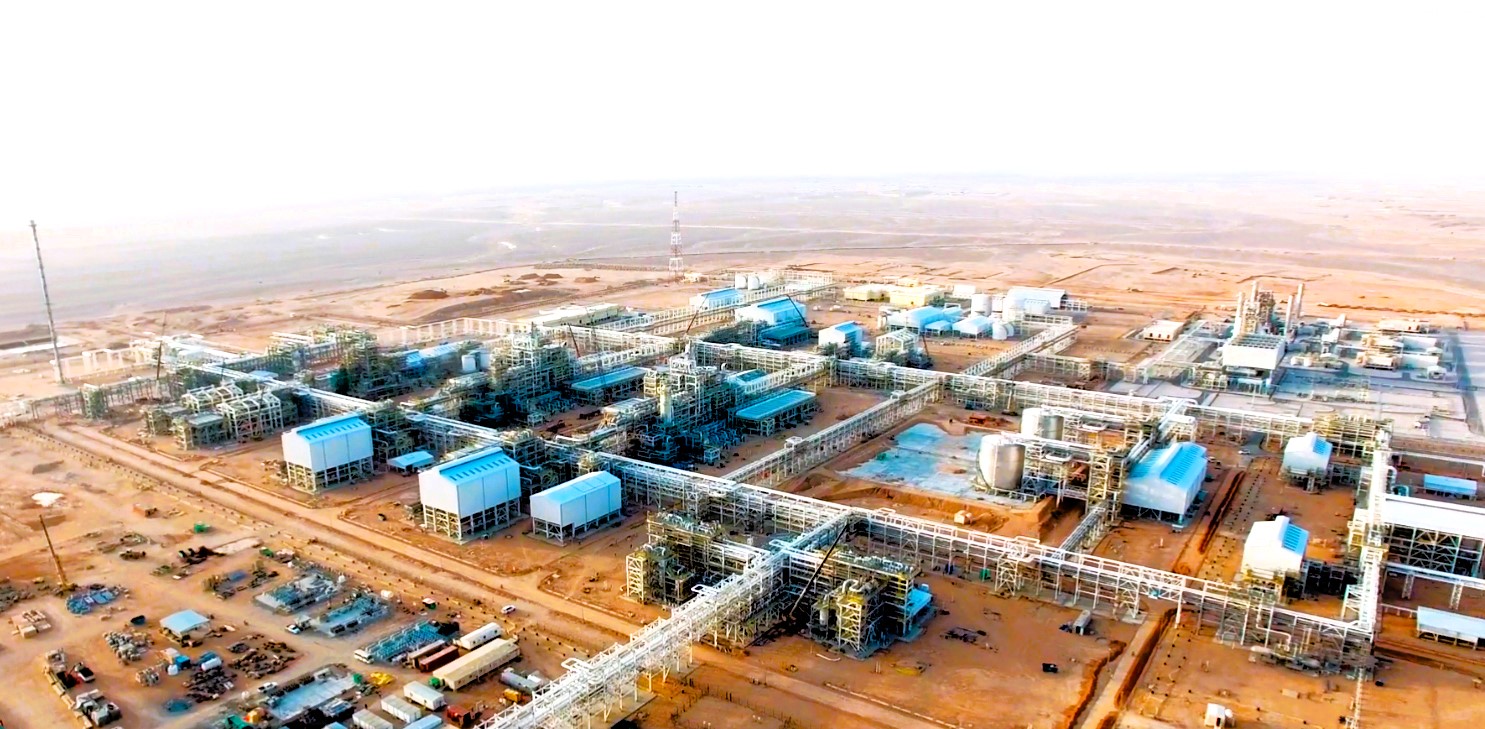
Main image: Picture 1: Al-Kamil power plant as constructed; Picture 2: Post decommissioning

You might also like...
Aramco selects contractors for five offshore tenders
23 October 2026
Contractor wins $599m Ras Al-Khaimah hotel construction deal
23 October 2026
Adnoc Onshore seeks bids for Bab gas cap well tie-in project
23 October 2026

Focus turns to the Northern Emirates
23 October 2026


A MEED Subscription...
Subscribe or upgrade your current MEED.com package to support your strategic planning with the MENA region’s best source of business information. Proceed to our online shop below to find out more about the features in each package.
Take advantage of our introductory offers below for new subscribers and purchase your access today! If you are an existing client, please reach out to your account manager.