


As gigaprojects move from vision to execution, investors want measurable performance, not just certifications
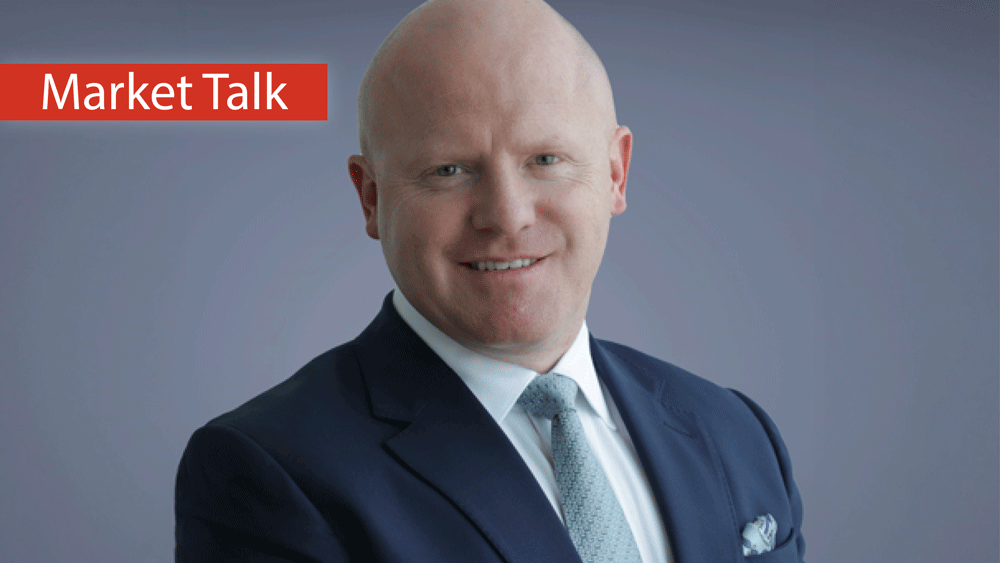
In conversation with Wesley Thomson, partner and head of ESG at Knight Frank
 Saudi Arabia is moving from ambitious masterplans into an increasingly delivery-focused phase. How is this changing the role of ESG in major real estate and infrastructure projects, and what should developers be prioritising now?
At the masterplan stage, ESG is largely a positioning exercise, commitments attached to a vision. In delivery, it becomes operational. It has to survive procurement, construction schedules and leasing structures, decisions made by people who were never in the room when the ambition was set. That is a far harder test, and it is the one Saudi Arabia is now facing at real scale.

This is the moment to look honestly at what sits behind those early ambitions. Many developers set targets for the certifications they wanted. The real question now is whether they have built the mechanisms, the data and the people to keep earning these once the asset is live, not just at handover. Designing a sophisticated set of KPIs is one exercise. Delivering against them year after year is another entirely, and it is where ambition is either proven or quietly abandoned.
What developers should prioritise now is standardisation over reinvention, sustainability built into repeatable frameworks from day one rather than bolted on once construction is under way. The ones pulling ahead treat certification as a starting point, not an endpoint, and back it with evidence of ongoing performance that occupiers, buyers and lenders can actually underwrite against. It is no longer about how ambitious the masterplan sounded. It is about whether what gets built performs the way it was promised to, long after the launch event is over.
How are ESG / sustainability considerations influencing investment decisions in Saudi Arabia, and are investors increasingly looking beyond headline commitments towards measurable performance and long-term value?
The short answer is yes. The market has moved past a phase where a sustainability commitment on a cover page was enough to satisfy investors. Today they want evidence they can underwrite against, not intent. Are existing certifications still valid? What will requirements look like in five years? What does it cost to keep an asset competitive once the next wave of stock arrives? These are no longer sustainability questions sitting to one side of the investment case; they are the investment case, and nowhere is that more visible than in Saudi Arabia given the sheer volume of development landing at once.
Vision 2030 sits above all of this, not as one strategic priority among several but as the lens the entire market is measured through. Everything that follows – reporting standards, certification, capital access – sits beneath that single reference point.
Future-proofing is what that translates to on the ground. For manufacturers and developers whose sites feed into European supply chains, alignment with international reporting frameworks such as TCFD, GRI, ISSB and CSRD has moved from good practice to a condition of doing business. CSRD in particular now reaches well beyond EU borders; non-EU companies with meaningful EU turnover fall inside its scope regardless of where they are headquartered, and losing that market access is a real commercial risk, not a theoretical one.
Real estate carries its own version of the same logic, and this is where I think the opportunity is most underappreciated. Mostadam, LEED and WELL are what owners reach for first, because they are visible and because they are what occupiers and buyers now expect as a baseline. But a certificate is a moment in time. What actually separates assets is what happens after it is awarded, whether the building performs as designed, year after year, under real occupancy. Owners who certified early and have built a genuine multi-year performance record now hold a real advantage over newer stock entering the market with a certificate and no operating history to stand behind it. That gap, between having a certification and having proven performance, is the single clearest source of competitive advantage I am seeing in the market right now.
None of this happens without capital, and the capital is following. Sustainability-linked finance is now a genuine funding route for both new build and retrofit, and the region is scaling this faster than most. Sustainable sukuk issuance in the Middle East hit a record $11bn+ in 2025, up sharply on the year before, with Saudi Arabia and the UAE driving the growth, and analysts expect total regional sustainable bond issuance to climb further still through 2026. That is real capital, priced more favourably, available specifically to owners who can prove performance rather than simply promise it.
With such a significant volume of development under way simultaneously, how can Saudi Arabia balance the pace and scale of delivery with its ambitions around sustainability, resilience and quality of place?
Scale is the real test here, far more than ambition ever was. Ambition is easy to state. Delivering it consistently across dozens of sites running at once, without every one becoming a bespoke exercise reinvented from scratch, is where the actual difficulty sits. The only way through that is standardisation, frameworks robust enough to be replicated site after site without losing the rigour that makes them meaningful in the first place.
That is exactly the thinking behind a green leasing framework and toolkit I have built with a very large gigaproject I am currently working with. It has already moved into further phases, not because it was theoretically sound, but because it worked in practice at the first scale it was tested against and needed to extend to meet what came next.
The part that actually makes a framework like this succeed is rarely the document itself; it is the education built underneath it. A toolkit only creates value once everyone across the development lifecycle understands why it exists, from the concept and design teams shaping the earliest decisions through to the sales function knowing precisely where the value sits once a KPI is attached to it.
A client of mine put this better than I ever have. He said it is far easier to build the train while it is still sitting on the platform. Once it has left the station, you cannot pull it back in to fix the engine or add another carriage; you are stuck making changes on a train that is already moving. Sustainability in development works exactly the same way. Retrofitting once assets are complete closes off access to the more favourably priced end of sustainable capital, because lenders price confidence, and confidence is harder to earn from a framework bolted on after the fact. Doing this early is not the cautious choice. It is the only one that actually protects value.
Where do you see the greatest opportunity for ESG / sustainability to create commercial value for developers and asset owners, whether through investment, operational performance, occupier demand, asset resilience or access to capital?
Ultimately, what you are building is a place. Somewhere people want to be, want to shop, want to live and want to raise their children. That is the real outcome sitting behind all the frameworks and terminology. Certification, KPIs and operational performance are simply how you prove that outcome, and how you put a value on it.
Every lever in your question genuinely creates value, but investability underpins all of them. It comes down to alignment, being able to show, with evidence, that what you have built actually matches what your target market wants. That evidenced confidence is the strongest commercial position an owner can hold. Capital matters, of course, but it tends to follow this value rather than lead it.
Worth noting, most developers are not starting from nothing either. A great deal of genuinely incredible sustainability work is already embedded across projects in this market, more than tends to get credited. The real gap is in how that work is packaged, tracked and communicated over time. Achieving something once is not the differentiator; proving it consistently to occupiers, buyers and lenders is what is incredibly valuable.
Looking towards 2030 and beyond, what do you believe will distinguish the projects and destinations that deliver genuine long-term value from those that simply meet today’s requirements?
Certification will not be the differentiator by 2030; most major projects will have one. What separates genuine long-term value is what happens after the plaque goes on the wall, whether the performance behind it holds up year after year, under real occupancy and real climate conditions.
That is where the real story is told; not at handover but in how people actually engage with a place once it is running. WELL, SmartScore and WiredScore all matter here, not as one-off achievements but as ongoing proof that an asset is still performing as intended. For owners considering retrofit, many are protecting a certification they already hold without realising how much further they could go, and that gap is often where the most overlooked value sits.
This is ultimately where I believe true valuation lives. It is not the certificate itself; it is what someone is willing to pay for continued access to the quality of life that certificate represents. That is what protects value long after the excitement of a masterplan launch has faded.
Published in partnership with

Don’t miss Saudi Mega Projects 2026, where Wesley Thomson is speaking at the event.
👉 Secure your place as an attendee or request the sponsorship deck by clicking here, or email us at meedevents@meed.com
You might also like...
Dubai prepares tenders for sewage treatment plants
18 September 2026
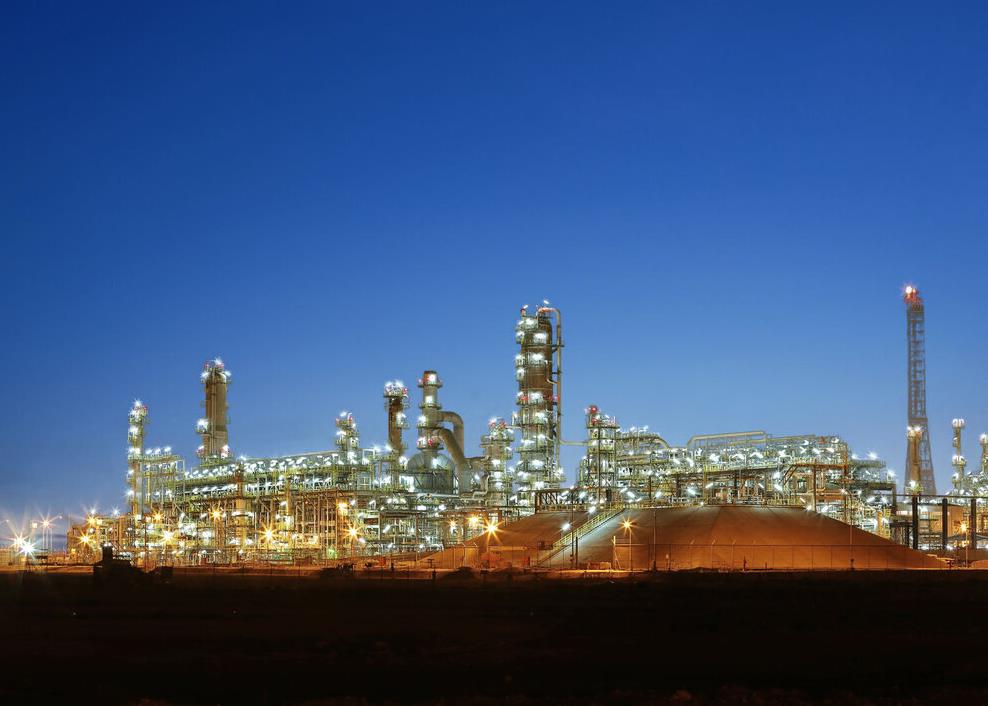
EPC work progresses on Laffan refinery units upgrade
18 September 2026
Morocco energises first large-scale bess project
18 September 2026
The boomers’ last act
18 September 2026

A MEED Subscription...
Subscribe or upgrade your current MEED.com package to support your strategic planning with the MENA region’s best source of business information. Proceed to our online shop below to find out more about the features in each package.
Take advantage of our introductory offers below for new subscribers and purchase your access today! If you are an existing client, please reach out to your account manager.