


Work has finally begun at the Al-Zour North IWPP
As Kuwait faces the realities of ageing power-generation infrastructure and rising demand, the renewed momentum in its private power market could not come at a better time.
The restructured public-private partnership (PPP) sector, led by the Kuwait Authority for Partnership Projects (KAPP), has prioritised independent water and power projects (IWPPs) and learned many lessons from the countrys first attempt to deliver the 1,500MW Al-Zour North project using this structure.
These lessons have been incorporated into the PPP Law of 2014, in a bid to ensure future projects are more attractive to investors and can progress more quickly.
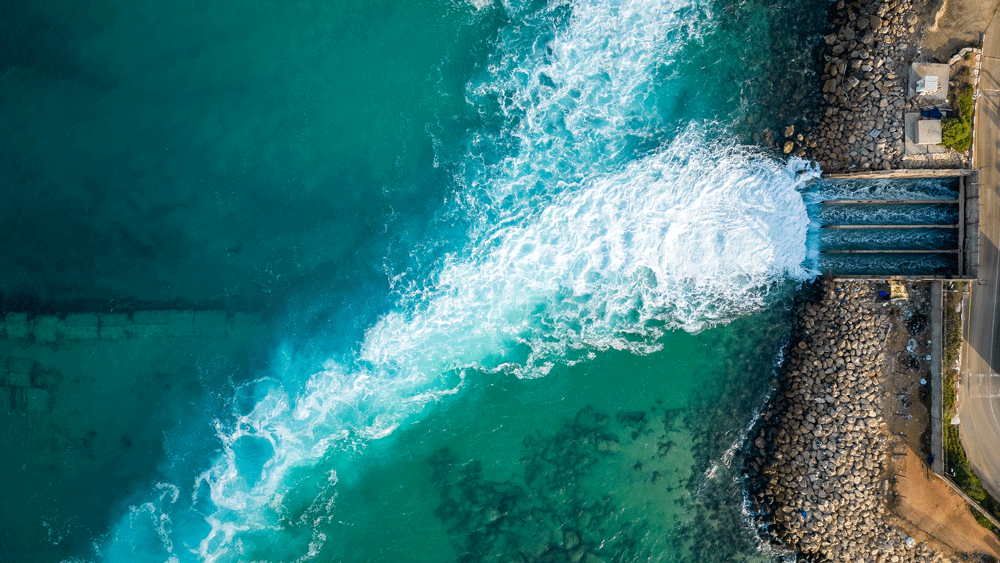
With the country continuing to suffer from power blackouts, the pressure on MEW has mounted
This is extremely welcome for Kuwaits Ministry of Electricity & Water (MEW), which is responsible for building and maintaining power-generation capacity and delivering water services. It can now push on with several major and much-needed IWPPs in partnership with KAPP.
Slow progress
Schemes such as the 1,500MW Al-Zour North 2 and the 1,800MW Al-Khiran 1 have lingered in the planning stages for many years as the government struggled to get political support for the private model. But with the country continuing to suffer from power blackouts and transmission issues, the pressure on MEW has mounted.
So severe and high profile was a power cut in February 2015 that Minister of Electricity & Water Abdulaziz Abdullatif al-Ibrahim resigned the following month. He was succeeded by Ahmed Khaled Ahmad al-Jasser, but just six months later, at the end of September, the new minister also resigned, following an investigation into the award of emergency power-generation contracts in 2007.
Along with 14 other officials, Al-Jasser sat on an MEW committee to procure 500MW of emergency power generation through a general invitation for proposals, without oversight from the Central Tenders Committee, the State Audit Bureau or the National Assembly. However, some of the second-hand gas turbines imported as part of the contract were unusable, wasting public funds.
Al-Jasser was handed a jail sentence in September for his part in the scandal. He is understood to be appealing against the conviction, but for now his portfolio for power and water has been passed on to the Minister of Cabinet Affairs.
| Key Ministry of Electricity & Water projects | ||||
|---|---|---|---|---|
| Project | Budget ($m) | Status | Award year | Due |
| Nuwaiseeb independent power project | 2,500 | Study | 2018 | 2021 |
| Doha desalination plant: phase 1 | 503 | Execution | 2015 | 2017 |
| Subiya open-cycle gas turbine: phase 2 | 500 | Execution | 2015 | 2017 |
| Subiya open-cycle gas turbine: phase 3 | 500 | Main contract bid | 2016 | 2018 |
| Doha desalination plant: phase 2 | 432 | Main contract PQ | 2016 | 2020 |
| Al-Zour South conversion to combined cycle: phase 3 | 300 | Main contract bid | 2016 | 2019 |
| Subiya conversion to combined cycle: phase 2 | 300 | Main contract bid | 2016 | 2018 |
| Al-Mutlaa high area water storage tanks: phase 2 | 200 | Main contract bid | 2015 | 2017 |
| Al-Zour North pumping stations | 200 | Execution | 2011 | 2016 |
| Sabah al-Ahmed 400kV ground cables: phase 2 | 200 | Execution | 2012 | 2015 |
| PQ=Prequalification. Source: MEED Projects | ||||
Subiya expansion
The need for emergency generation in 2007 was symptomatic of years of under-investment in new generation and transmission capacity. Finally, after many years of planning, the 2,000MW Subiya power plant came online in mid-2012, and today MEW is seeking to expand production at the plant. In September, MEW extended the submission deadline for firms bidding to provide an additional 500MW of generating capacity at the site.
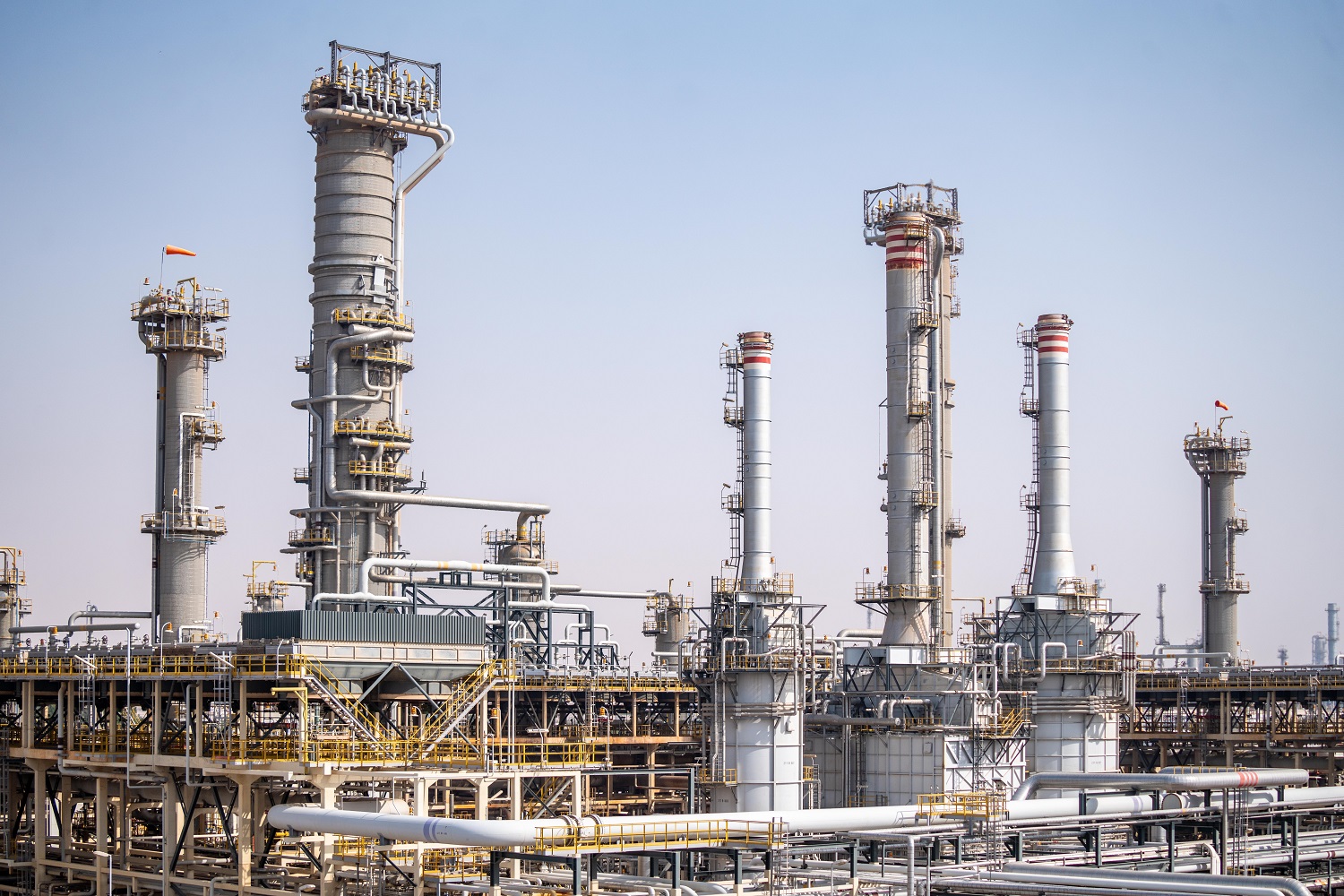
At the same time, construction has begun at the long-awaited Al-Zour North project, after more than five years in the planning stages. When complete, this will bring 1,500MW of new power into the sector along with 107MIGD of desalinated water.
Peak demand
These developments are crucial for Kuwait and the MEW, which forecasts that peak power demand will climb from 12,800MW in 2013 to 22,500MW by 2022. Meeting this demand and building in a much-needed reserve margin of about 10 per cent means conventional power capacity will have to reach 25,500MW by 2022, an 80 per cent growth in capacity.
Water projects are moving ahead too as MEW embarks upon a 400 million imperial-gallons-a-day (MIGD) drive to meet demand for water, which is among the highest per capita in the world.
The IWPPs at Al-Khiran and Al-Zour North 2 will add 227 MIGD. Further expansion at Al-Zour North could add another 85 MIGD in phase 3.
At the same time, the ministry is pursuing the construction of a new desalination plant at Doha, using reverse osmosis, to be delivered in two 50-MIGD stages.
You might also like...
Local contractor to build Abu Dhabi emergency lagoon
19 June 2026
Kuwait tenders downstream maintenance contract
19 June 2026
A MEED Subscription...
Subscribe or upgrade your current MEED.com package to support your strategic planning with the MENA region’s best source of business information. Proceed to our online shop below to find out more about the features in each package.
Take advantage of our introductory offers below for new subscribers and purchase your access today! If you are an existing client, please reach out to your account manager.