


The region needs a 50 per cent increase in generation capabilities to meet future demand
Special Report Contents
- Delaying projects is not an option
- Strong IPP pipeline for 2016
- Renewables widen the energy mix
- Russia leading the way in regions nuclear power race
- Databank: Power projects pipeline
The Middle East and North Africa (Mena) faces a challenge to meet forecasted demand for electricity by 2020, as population and industrial growth continues to rise at a rapid rate.
According to data from MEED Insights Mena Power 2016 report, installed power generation capacity will need to rise by 50 per cent by 2020 to meet the expected demand for electricity.
While the sharp decline in oil prices since mid-2014 has caused the scaling back or cancellation of many projects deemed nonessential, investments in the power sector have continued to move ahead.
According to MEED Projects, between September 2014 and September 2015 about $65.4bn worth of major power contracts were awarded throughout the Mena region.
Investment in the power sector will continue into 2016, with the pressure on governments to deliver uninterrupted electricity for residents and businesses having increased since the political uprisings in 2011.
Utilities are aware that is imperative for supply to remain ahead of demand for power and water.
Energy demand
The size of the challenge facing Mena countries to meet future capacity varies significantly from one state to another.
Some have comfortable reserve margins, while others have extremely tight margins or even a supply deficit at peak periods. Moreover, the actual available power is often much lower than the official installed capacity figure.
The average peak demand for electricity in the GCC in 2014 reached 89.5GW, up 8.4 per cent on the previous year.
| Installed capacity, 2014 (MW) | Peak demand, 2014 (MW) | |
|---|---|---|
| Abu Dhabi | 15,546 | 12,093 |
| Algeria | 14,946 | 12,000 |
| Bahrain | 3943 | 3,152 |
| Dubai | 9656 | 7,233 |
| Egypt | 32,015 | 27,700 |
| Iran* | 68,941 | 51,285 |
| Iraq | 13,400 | 21,000 |
| Jordan | 4,350 | 3,050 |
| Kuwait | 14,042 | 12,410 |
| Libya | 9,455 | 8,261 |
| Morocco | 7,993 | 5,670 |
| Oman | 7,749 | 5,561 |
| Qatar | 8,761 | 6,800 |
| Saudi Arabia* | 69,761 | 53,864 |
| Tunisia | 4,792 | 3,465 |
| Source: MEED | ||
| Peak power demand growth (%) 2014 | |
|---|---|
| Abu Dhabi | 7.6 |
| Algeria | 13 |
| Bahrain | 8.1 |
| Dubai | 5.5 |
| Egypt | 2.6 |
| Iran* | 12 |
| Iraq | 21 |
| Jordan | 2.5 |
| Kuwait | 2.9 |
| Libya | 9 |
| Morocco | 2 |
| Oman | 14 |
| Qatar | 13 |
| Saudi Arabia* | 5 |
| Tunisia | 10 |
| Source: MEED; * = 2013 | |
A cooler than average summer in 2013 was the main reason for the lower peak demand, with peak demand growth having fallen from the 7.7 per cent recorded in 2012.
While all of the GCC utilities were able to meet demand in 2014, some face a more perilous power situation than others.
Kuwait was the only GCC country to have a reserve margin lower than the recommended 15 per cent buffer, at 12 per cent. The perils of such a tight reserve margin have been felt in 2015, with the state having suffered power shortages in February and May as a result of a failure at the countrys Subiya power station.
As part of plans to expand capacity and upgrade existing ageing power plants, Kuwait is working on a programme to deliver 10,500MW of additional capacity by 2020 to ensure it can meet future demand.
While Saudi Arabia appeared to have an adequate reserve margin of 19 per cent in 2014, the actual available capacity of 58,462MW was much lower than the 69,761MW total installed capacity. This is largely due to inefficient and dated generation facilities.
As a result, the kingdoms reserve margin was as low as 4 per cent during the peak summer period of 2014.
The rapid demand growth for electricity in the kingdom has continued into 2015, with peak demand increasing by 10.2 per cent year-on-year to reach 62,260MW in August, the highest ever recorded peak demand.
While 4,516MW of additional capacity has been commissioned in the kingdom in 2015, Riyadh still faces a significant challenge to meet expected demand.
The kingdoms state utility, Saudi Electricity Company (SEC), has launched a programme to develop an additional 47,711MW of new generation capacity by 2024 as part of plans to meet future demand.
Omans healthy reserve margin of 28 per cent does not provide an accurate representation of the tight power market it faced in the summer of 2014.
The margin includes the delayed 2,000MW Sur independent power project (IPP), which only came online at the end of the year.
Before the plant was commissioned, the sultanates installed capacity of 5,749MW was only 3 per cent greater that the 5,561MW demand recorded in the summer. Oman has relied on temporary power generators to meet peak demand in summer periods since 2011.
The commissioning of the Sur project has provided much needed relief for the sultanates power sector.
Omans power reserve margin will be further boosted by the 400MW Salalah 2 IPP, for which developer contracts were awarded in May 2015, and the countrys largest planned IPP, the 3,100MW Sohar3/Ibri, for which the Oman Power & Water Procurement Company is evaluating bids.
The remaining GCC countries currently enjoy a more comfortable position in terms of reserve margin, with Bahrain, Qatar, and the UAE emirates Abu Dhabi and Dubai all recording reserve margins of above 20 per cent.
However, their governments are aware of the importance of ensuring capacity remains above demand and are pushing ahead with major generation projects.
As part of its energy diversification drive, the UAE is turning to alternative energy to reduce their heavy reliance on gas for power generation.
Abu Dhabi is building the GCCs first nuclear power facility and Dubai is pushing ahead with plans the GCCs first major coal-fired power plant and the regions largest solar park.
In 2015, Qatar awarded contracts for its Facility D IWPP, which will have a power capacity of 2,500MW.
Shortfall
Outside the GCC, the power situation for many countries in the Middle East is much more desperate.
Iraq recorded the highest peak demand growth in 2014, with demand for electricity during peak periods reaching 21 per cent. Peak demand reached 21,000MW, 46 per cent greater than the peak output of 13,400MW.
Following two decades of war and underinvestment, Iraqs Electricity Ministry has awarded contracts for more than 11,000MW of new capacity since 2011, as part of its short-term electricity plan.
The ministry had hoped for 8,000MW to come online in 2014 and an additional 20,000MW by 2017.
However, the loss of territory to the Islamic State of Isis and Iraq (Isis) in the north of the country has stalled a number of key projects, and rising security costs have left little for future generation and network investments.
Egypts official reserve margin of 23 per cent in 2014 should be treated with scepticism.
Cairo suffered from prolonged blackouts during peak periods, which caused major problems including disruptions to metro services.
According to estimates from within Egypt, power demand during peak periods was up to 5,400MW higher than available capacity. In late 2014, the government launched a multibillion-dollar emergency capacity building programme to bring some respite.
Egypts power sector will offer one of the regions largest generation and transmission projects in the next decade as it moves ahead with a programme to build 54,000MW of additional capacity.
New capacity
According to the Mena Power 2016 report, Egypt has the largest new-build requirement by 2020, with an estimated 27,985MW required to meet forecasted demand.
Cairo is pushing ahead with plans to develop conventional gas-fired power plants, renewables and nuclear power to meet demand in the coming years.
While Saudi Arabia will require 20,239MW of additional capacity by 2020, the actual new build requirement will be much higher because of the need to replace or upgrade existing generation units on account of age.
The new build requirement will also be higher in Kuwait, where a significant amount of existing generation facilities will have to be upgraded or replaced to meet expected demand.
Libya will also be required to build more than 10,545MW of additional capacity, with much of its power infrastructure having been damaged by fighting during the 2011 revolution and subsequent civil conflict.
Iran will require an estimated 18,059MW of new capacity by 2018 due to a combination of rapid population and industrial growth.
Tehrans subsidy reforms have helped with reducing demand growth, which was expanding at an alarming rate before 2010.
However, the electricity demand forecast will likely rise significantly once sanctions are removed following the signing of the nuclear deal.
Challenges in building additional capacity
| Mena installed and required capacity, 2014-20 | ||
|---|---|---|
| Installed capacity 2014, MW | Required Capacity 2020, MW | |
| Abu Dhabi | 15,546 | 23,425 |
| Algeria | 14,946 | 30,596 |
| Bahrain | 3943 | 5,393 |
| Dubai | 9656 | 11,145 |
| Egypt | 32,015 | 60,000 |
| Iran * | 68,941 | 87,400 |
| Iraq | 13,400 | 35,000 |
| Jordan | 4,350 | 5,500 |
| Kuwait | 14,042 | 19,800 |
| Libya | 9,455 | 20,000 |
| Morocco | 7,993 | 14,580 |
| Oman | 7,749 | 9,171 |
| Qatar | 8,761 | 10,861 |
| Saudi Arabia* | 69,761 | 90,000 |
| Tunisia | 4,792 | 5,700 |
| Source: MEED; * = 2013 | ||
While countries in the Middle East have vastly different economies and energy needs, nearly all will face significant challenges to secure the gas feedstock and financing required for their expanding power sectors on such a large scale.
With the exception of Qatar, all of the GCC states are facing a tight gas market, with competing demands from the oil, industrial and utilities sectors.
Outside the Gulf trading bloc, Jordan has been hit by a rising energy import bill as it has been forced to increase the use of expensive fuel oil due to the decline of natural gas supplies from Egypt. Once a net exporter, Egypt now consumes 43 per cent of its gas output for electricity, and in 2014 the government announced it would have to import gas until it can increase domestic production.
Riyadh has stepped up gas exploration efforts, with the $800m Midyan non-associated gas project in the Western province an example of this.
In August 2015, state oil company Saudi Aramco awarded the first major contract to develop a shale gas project in the north of the kingdom.
Kuwait and Dubai have been importing LNG for several years to meet gas requirements for the power sector and Abu Dhabi is set to follow suit, with Emirates LNG moving ahead with plans to build an LNG storage and regasification terminal in the northern emirate of Fujairah. Bahrain is also considering importing LNG.
Outside the GCC, Egypt has been forced to turn to LNG imports and Morocco is preparing to import gas through a planned terminal at Jorf Lasfar.
While the major gas find in Egypt in August by Italys Eni and the signing of the nuclear deal with Iran, which holds the worlds largest proven natural gas reserves, could lead to more stable supplies in the future, securing gas feedstock for power generation for the next decade will remain a stiff challenge for the regions governments.
In addition to securing gas supplies, many of the regions utilities providers are turning to alternative energy sources, from coal and nuclear to renewables to reduce pressure on gas resources.
A challenge facing all of the regions leaders and rulers is funding the expansion of their power sectors.
With the price of oil having more than halved since mid-2014, and the Washington-based IMF predicting that the price of the commodity will remain subdued until 2020, even the regions richest states are being forced to rationalise spending.
As a result, governments are likely to increasingly turn to the international private developer and banking markets to finance vital power projects.
This article is an excert from the MEED Power 2016 report. Details on how to buy the full report can be found at buy.meed.com.
You might also like...
Read the March 2026 MEED Business Review
03 March 2026
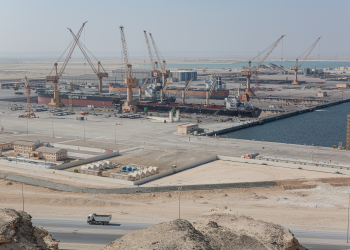
Firms prepare Port of Duqm consultancy bids
03 March 2026
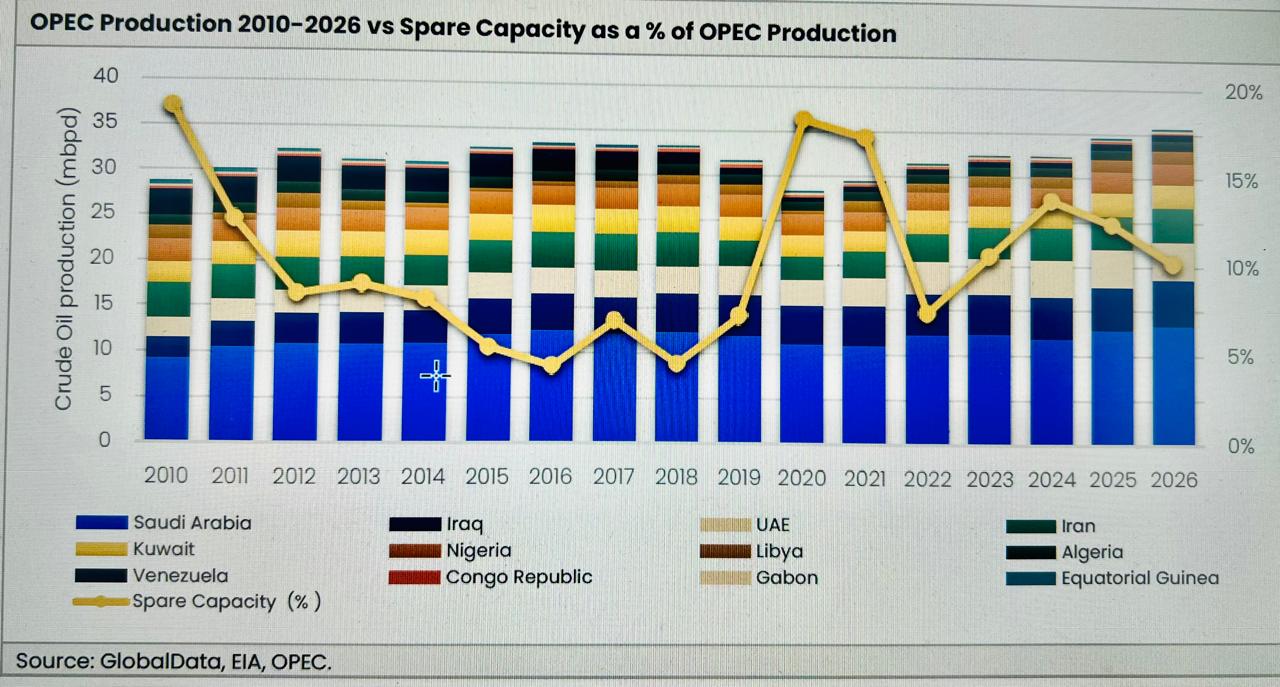
Iran war impacts and outlook for oil and gas sector
03 March 2026
Oman seeks consultants for transmission projects
03 March 2026
A MEED Subscription...
Subscribe or upgrade your current MEED.com package to support your strategic planning with the MENA region’s best source of business information. Proceed to our online shop below to find out more about the features in each package.
Take advantage of our introductory offers below for new subscribers and purchase your access today! If you are an existing client, please reach out to your account manager.