


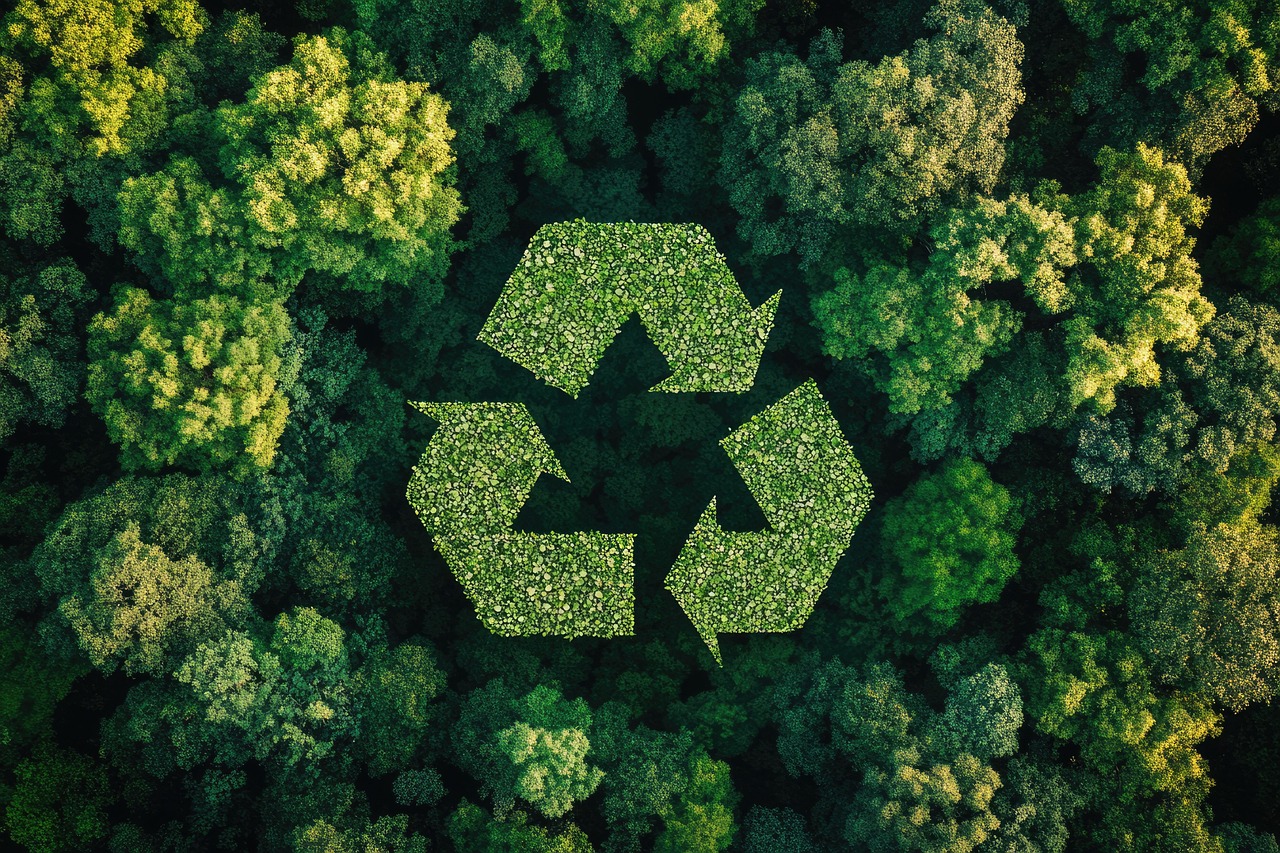
The circular economy offers a sustainable alternative to the traditional linear model, addressing resource scarcity and environmental challenges while promoting economic resilience
The circular economy is gaining momentum as a sustainable alternative to the traditional linear economic model, which follows a take-make-use-dispose path. This shift is essential in tackling the pressing issues of resource scarcity, environmental degradation and climate change. By decoupling economic growth from the consumption of finite resources, the circular economy fosters a more sustainable and resilient global economy.
A recently published report by GlobalData's Strategic Intelligence highlights the importance of adopting circular economy principles, emphasising the need to eliminate waste and pollution, keep products and materials in use and regenerate natural systems.
These principles guide the design, production and consumption processes to ensure resources are used efficiently and sustainably. The framework emphasises renewable materials, eco-friendly design and sustainable manufacturing to minimise waste and maximise product life cycles.

Global challenges
Despite its benefits, the transition from a linear to a circular economy is not progressing rapidly enough. More than 100 countries have implemented policies supporting the circular economy, yet factors such as inflation, geopolitical tensions and consumer trust issues have hindered progress.
Regulatory frameworks, like the EU Circular Economy Act, play a crucial role in driving this transition by mandating sustainable practices and reducing emissions.
The technology sector stands to gain significantly from circular practices, particularly in reducing electronic waste (e-waste). By adopting circularity, technology companies can extend product life cycles, reduce materials costs and create closed-loop supply chains.
In the industrial sector, circular principles can address the growing demand for raw materials while reducing carbon emissions, including recycling industrial byproducts and adopting sustainable manufacturing practices.
The consumer goods sector can leverage circularity to reduce waste and improve profitability through strategies such as circular packaging, product recycling and sustainable sourcing.
The circular economy also presents opportunities for innovation and economic growth. Technologies like blockchain, 3D-printing and synthetic biology support circular practices by enhancing transparency, reducing waste and creating sustainable materials. Moreover, integrating circular principles in sectors like construction and agriculture can significantly reduce emissions and promote biodiversity.
The circular economy is not just an environmental imperative, but also an economic opportunity. By embracing circular principles, businesses can reduce costs, mitigate risks and create new revenue streams. However, achieving a fully circular economy requires concerted efforts from governments, businesses and consumers to overcome existing barriers and accelerate the transition towards sustainability.
 READ THE JULY 2026 MEED BUSINESS REVIEW – click here to view PDF
Stress test for Gulf aviation; Mixed performance as country outlooks diverge in the Levant; GCC tourism sector pivots from crisis to recovery mode.
Distributed to senior decision-makers in the region and around the world, the July 2026 edition of MEED Business Review includes:
> AIRPORTS: Dubai and Riyadh reaffirm airport ambitions > INDUSTRY REPORT: Dubai eyes tourism sector recovery > DATA CENTRES: Big Tech falls short on data centre promise > LEADERSHIP: Aramco’s citizen developers accelerate digital change |
To see previous issues of MEED Business Review, please click here
You might also like...

Chinese contractor wins Damac Riverside apartments deal
16 October 2026
Morocco begins prequalification for 350MW solar projects
16 October 2026

Algeria tenders 310km Tamanrasset railway
16 October 2026

Joint venture wins $246m RCRC bridges contract
16 October 2026



A MEED Subscription...
Subscribe or upgrade your current MEED.com package to support your strategic planning with the MENA region’s best source of business information. Proceed to our online shop below to find out more about the features in each package.
Take advantage of our introductory offers below for new subscribers and purchase your access today! If you are an existing client, please reach out to your account manager.