



Linear infrastructure is defining the next chapter of growth across the Middle East, says Naji Atallah, head of construction and manufacturing, Emea emerging, at Autodesk


Across the UAE, the infrastructure conversation is changing, both in ambition and in commitment.

The UAE government has committed AED170bn ($46.2bn) to upgrade the country's roads and transport sector by 2030, creating a programme designed both to expand capacity and future-proof the nation's infrastructure for a rapidly growing population. These are not just standalone construction projects; they are the socioeconomic connective tissue of a future-facing nation, and the UAE's planners are treating them as such.
This is most visible when it comes to linear infrastructure, where the complexity of delivery exposes the limits of traditional approaches.
Delivery challenges
When a project covers hundreds of kilometres, includes multiple assets, involves dozens of stakeholders – from consultants to contractors and operators – and must perform reliably for decades, the margin for poor coordination is extremely small. In this environment, fragmented planning and execution are not an inconvenience but rather a delivery risk.
This complexity is evident in both new-build projects and in the modernisation of existing infrastructure. The Dubai Metro Blue Line, spanning 30 kilometres, illustrates the scale of coordination required to introduce major new transport infrastructure into an established city.
Delivery depends on integrated planning by multiple stakeholders, engineering disciplines and long project timelines.
The Hessa Street development project introduces an additional layer of complexity. Here, road expansion is being delivered alongside upgrades to existing water, drainage and utility networks, while traffic continues to flow through a live urban environment.
Whether delivering new transport corridors or modernising existing infrastructure, programmes of this kind demand accurate information on current conditions, coordinated workflows, and informed decision-making from planning through to delivery.
Connected planning
What is changing is not only what gets built, but how it gets delivered.
The organisations best positioned to lead this next phase are those moving beyond traditional project coordination and investing in connected digital environments where information flows between teams, decisions are grounded in current data and issues can be identified before they become costly.
Building information modelling workflows and integrated delivery platforms with cloud collaboration across stakeholders are no longer differentiators. They are baseline requirements for projects of this scale.
Fragmented planning and execution are not an inconvenience but rather a delivery risk
The UAE's infrastructure ambition is real, and the investment behind it is significant, but committed spend only creates lasting value when it translates into infrastructure that performs for decades.
Achieving this depends on how well the industry builds, with stronger collaboration, better information and the digital maturity to deliver complexity at the pace these programmes demand.
The next chapter of growth in the Middle East will be defined by the industry’s ability to deliver infrastructure that is connected, resilient and ready for the future.

You might also like...
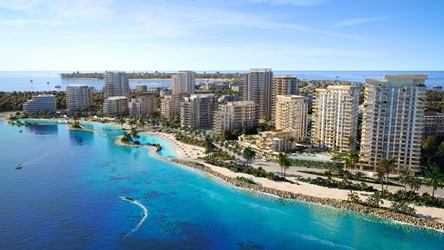
Nakheel awards $259m Dubai Islands buildings contract
26 October 2026
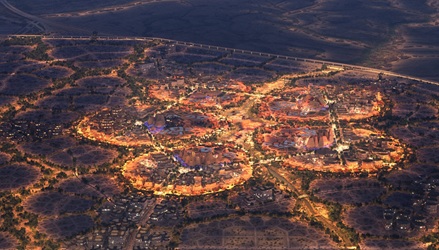
Expo 2030 Riyadh tenders Culture of Wisdom Pavilion
26 October 2026

Aramco continues with capex plans despite conflict
26 October 2026

A MEED Subscription...
Subscribe or upgrade your current MEED.com package to support your strategic planning with the MENA region’s best source of business information. Proceed to our online shop below to find out more about the features in each package.
Take advantage of our introductory offers below for new subscribers and purchase your access today! If you are an existing client, please reach out to your account manager.