


The first trade deal between the GCC and any G7 nation is set to lift UK-Gulf trade, cutting tariffs, easing customs and boosting services, digital trade and professional mobility
The UK and the GCC have concluded negotiations on the first trade deal between the GCC and any G7 nation, with both sides presenting the agreement as a major step forward for trade, investment and professional mobility across the six-member bloc.
Announced on 20 May, the free trade agreement (FTA) is framed by the UK as a long-term partnership with Bahrain, Kuwait, Oman, Qatar, Saudi Arabia and the UAE, and as a means of creating new commercial opportunities at a time of global uncertainty. The UK says its ties with the Gulf are “deep, historic and future-focused”, and argues that the deal’s rules-based framework will provide the legal certainty and long-term stability that businesses on both sides need to plan, invest and grow with confidence.
The economic relationship is already substantial. Trade in goods and services between the UK and the GCC currently stands at £52.9bn ($71.1bn), supporting jobs, investment and growth. Across the GCC as a whole, the UK statement says the deal is projected to boost bilateral trade by nearly 20%, adding £15.5bn ($20.8bn) annually.

The UK’s announcement also places the agreement in a broader geopolitical context, stating that it reflects “solidarity” with its GCC partners. The UK says it has “unequivocally condemned Iran’s reckless attacks” and worked with partners to support their self-defence, while coordinating closely to find a long-term, sustainable solution.
Tariffs, customs and consumer goods
A central element of the agreement is the removal of tariffs and the reduction of friction at the border. The UK says businesses across the Gulf will be able to export to the UK “more quickly and cheaply”, with commitments to cut red tape, simplify customs procedures and remove tariffs on all current exports to the UK at the agreement’s entry into force.
The UK also highlights expected benefits for British goods exporters. It points to UK exports of food and drink to the GCC, valued at £840m annually, and says the agreement will provide greater access to products such as smoked salmon, cheddar cheese and chocolates – making it easier and cheaper for GCC consumers to buy UK goods, while supporting British producers seeking growth in Gulf markets.
Services, data and business travel
Beyond goods, the deal seeks to strengthen services trade by locking in rules and regulations on doing business, providing what the UK describes as guaranteed market access. The UK also points to “groundbreaking commitments on the free flow of financial data”, intended to support financial technology, banking and insurance firms expanding between markets.
Mobility provisions are another focus. The agreement establishes frameworks for recognising professional qualifications, aiming to make it easier for engineers, lawyers, accountants and other skilled professionals to work across borders. It also includes streamlined visa processes and what the UK describes as the “longest business stay commitments ever agreed by the GCC”, designed to support business travel between the UK and the six Gulf states.
UK Business & Trade Secretary Peter Kyle said the agreement marks “a significant step forward” and that by working together both sides are “opening new opportunities for trade, investment and innovation”.
His Majesty’s Trade Commissioner for the Middle East & Pakistan, Sarah Mooney, said the agreement will “cut millions of pounds of tariffs on British goods”, benefiting GCC consumers, while also boosting GCC exports through tariff removal at entry into force. She added that it will provide investors on both sides “more confidence and certainty to make long-term decisions”.
UAE perspective
From a UAE perspective, Edward Hobart, British Ambassador to the UAE, described the deal as “fantastic news for the commercial relationship between the UK and the UAE” in comments posted in a video on social media.
Hobart highlighted three areas. “First of all, the reduction or complete removal of tariffs on goods between the two countries, which will make goods cheaper for consumers in both countries, and also help exporters,” he said. “Secondly, the removal of red tape in the services sector, a sector which is massively important to both of our countries. And thirdly, new digital trade rules, which will make it easier for [small and medium-sized entities] to export their goods.”
Bahrain, which holds the GCC presidency, also emphasised the strategic weight of concluding the negotiations. Abdulla Bin Adel Fakhro, Bahrain’s Industry & Commerce Minister, said signing the joint statement concluding the negotiations “exemplifies the GCC nations’ commitment to strengthening their strategic economic partnerships with global economies, particularly the UK”.
He said the agreement’s successful conclusion represents “a significant strategic advancement” in Gulf-UK relations and that it culminates a negotiating process that began in 2022. Fakhro praised the negotiating teams for their “constructive flexibility” and “genuine commitment” in reaching “a balanced agreement that serves the common interests of all parties involved”.
For Bahrain specifically, he said the deal will support economic growth and diversification by easing access for Gulf goods and services to UK markets, reducing or eliminating customs duties and fostering sustainable investment partnerships based on mutual benefits. Bahrain-UK trade reached approximately $601.7m in 2025, according to the minister.
From talks to conclusion
The negotiations began after the UK and GCC announced in June 2022 that they would start free trade talks. At the time, UK officials highlighted both the opportunity and complexity of negotiating collectively with a six-country customs union, while arguing that a pan-GCC deal could create a more consistent environment for companies operating across the region – particularly in services sectors such as construction.
With talks now concluded, attention will turn to implementation and timelines – especially how quickly tariff removal, customs simplification, services market access and mobility commitments translate into practical changes for exporters, investors and professionals operating between the UK and the GCC.
You might also like...
Houthi escalation targets Saudi airports
12 October 2026
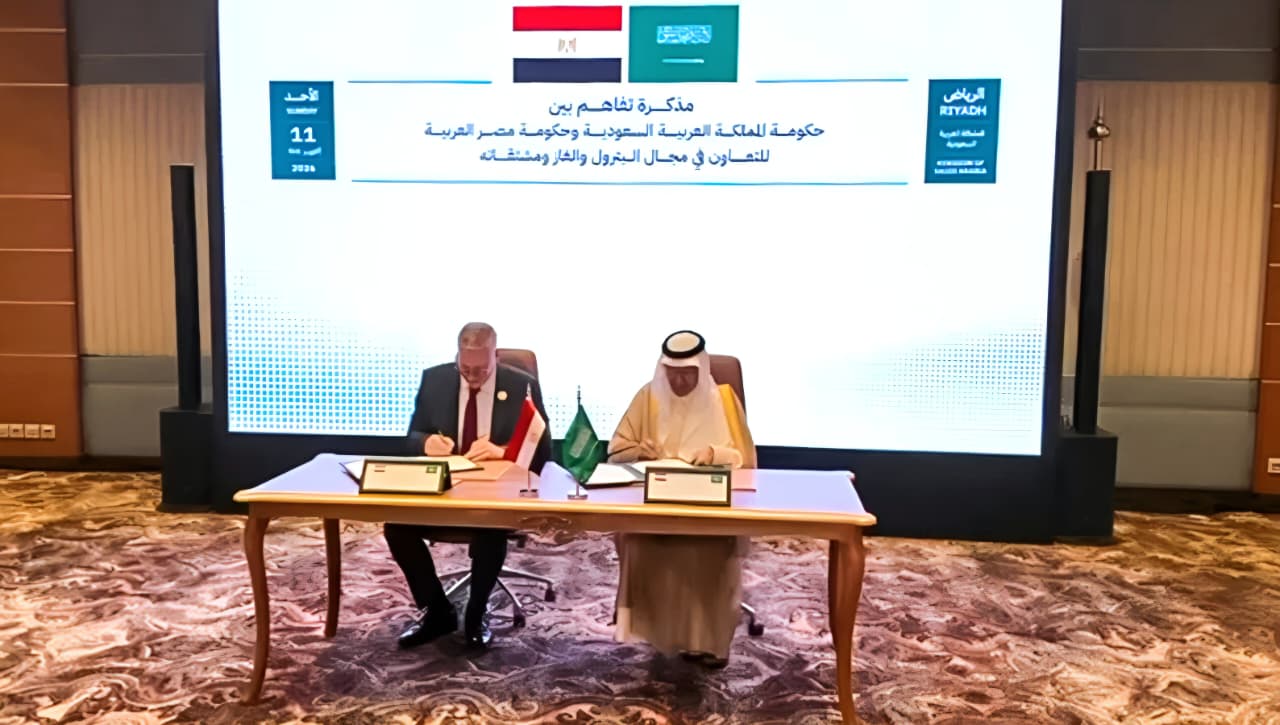
Egypt and Saudi Arabia sign oil and gas deal
12 October 2026

JGC yet to return evacuated workers to Basra refinery
12 October 2026
Contractors prepare Jordan stadium prequalification
12 October 2026
A MEED Subscription...
Subscribe or upgrade your current MEED.com package to support your strategic planning with the MENA region’s best source of business information. Proceed to our online shop below to find out more about the features in each package.
Take advantage of our introductory offers below for new subscribers and purchase your access today! If you are an existing client, please reach out to your account manager.